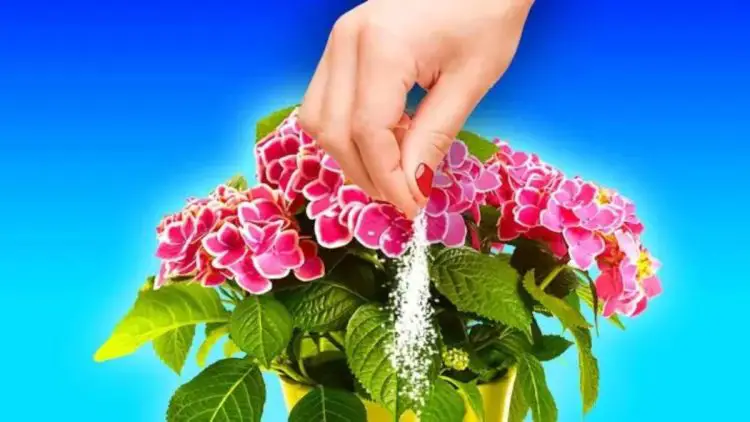
With rising temperatures, your flowers may be struggling. Heat waves can take a toll on your plants, making it essential to use effective strategies to keep them healthy. One surprising solution is yeast, an excellent fertilizer that can truly transform your flower pots!
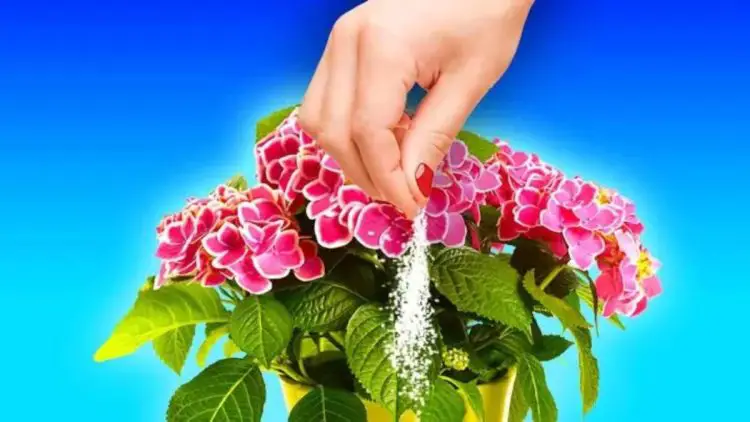
Potted plants are becoming increasingly popular among gardening enthusiasts who enjoy caring for their plants and watching them thrive. This method enhances spaces like balconies and terraces, both indoors and outdoors, while requiring less maintenance than traditional garden planting. Plus, you can grow aromatic herbs or ornamental plants to add a tropical touch to your interior. However, following certain maintenance rules is crucial to extend their lifespan.
Protecting Your Plants in Summer
In the summer, it’s vital to shield your plants from the sun’s harmful effects. If your flowers are particularly delicate, placing them in the shade can prevent damage. Remember to water them regularly—daily, if necessary—to avoid drying out. Be cautious with fertilization in hot weather, as too much can burn the roots. Instead of chemical fertilizers, consider this unexpected trick that works wonders for your flowers.
The Benefits of Adding Yeast
Many may not realize that yeast is a powerhouse fertilizer. Rich in organic iron, minerals, and trace elements, yeast helps eliminate harmful substances in the soil, promoting robust plant growth. It increases your flowers’ resilience to temperature fluctuations and aids in their adaptability during transportation.
To use yeast as a natural and economical fertilizer, follow these steps:
- Dissolve 100 g of fresh yeast in 500 ml of water and let it sit for two hours.
- Mix this solution with 5 liters of water.
- Spray your plants with this liquid once a week.
An Additional Natural Method
While you’re at it, consider another lesser-known natural method using onion peels to invigorate your potted flowers. Here’s how:
- Place a handful of onion peels in a saucepan with 2 liters of water.
- Bring to a boil, then let it sit for two days.
- Dilute the solution with water in a 1:5 ratio.
- Water your plants twice a week. Onion peels are antibacterial and antioxidant, packed with vitamins and minerals that stimulate growth.
Tips for Healthy Potted Flowers
Potted plants not only beautify your space but also purify the air, creating a healthier environment. Here are some important tips for maintaining them:
- Watering Needs: Know how often each type of flower requires water—some may need it daily, while others only weekly. Ensure the soil remains moist but not soggy.
- Seasonal Care: During warm months, increase attention and watering to prevent drying out. In autumn, bring plants indoors and reduce watering.
- Optimal Light: Position plants near windows to maximize light exposure.
Helpful Tips
- Elevate Flower Pots: Use stands to prevent pests from entering through drainage holes. A mixture of black soap and baking soda can deter insects. Combine a tablespoon of liquid soap with a liter of hot water and a teaspoon of baking soda, then spray on pots.
- Avoid Direct Contact with Grass: Placing pots on grass can inhibit growth and damage your lawn.
- Moisture Retention: In summer, apply a layer of peat moss to help retain moisture. To prevent pots from overheating, wrap them in paper or cloth.
By incorporating these techniques, including the use of yeast, you can ensure your potted plants thrive, providing beauty and freshness to your home!


