Yeast Fertilizer for Orchids
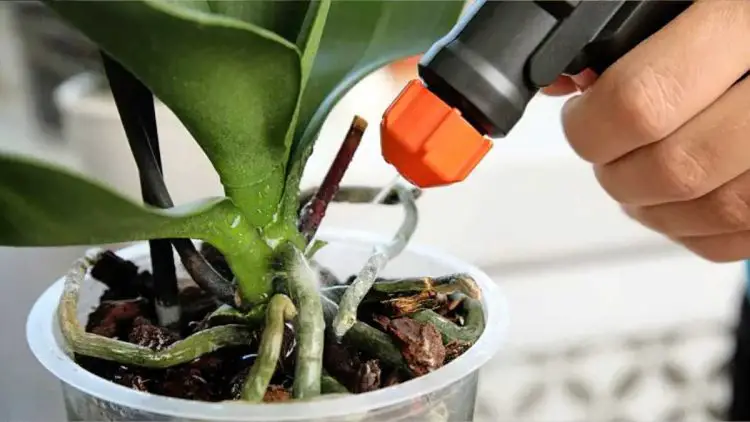
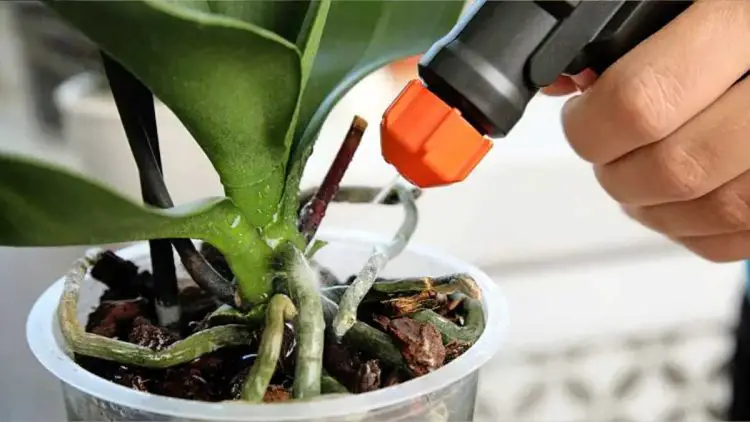
Orchids are primarily epiphytic plants that don’t grow in soil, which raises questions about the effectiveness of using various household products for fertilization, like coffee, milk, or banana slices. Experts agree that an effective natural fertilizer should be water-based, free of solids, and well-fermented to ensure immediate nutrient absorption. Many common practices, such as adding coffee or eggshells to your orchid pot, are myths that won’t benefit these unique flowers. Instead, the natural orchid yeast fertilizer is much more effective. Yeast is an excellent source of B vitamins that promote strong root growth, making transplantation easier.
What is a Good Natural Fertilizer for Orchids?
Natural fertilization involves more than just adding organic matter to the soil. It requires a holistic ecosystem with healthy microorganisms, proper temperature, moisture, and sufficient time for nutrients to break down into absorbable forms. The key principle of organic fertilization is to feed the soil, not the plants. For orchids, immediate nutrient release is essential, as they don’t grow in traditional soil environments. Here are some considerations for indoor orchid care:
- Growing in Pots: Most home orchids are potted, which alters their natural conditions.
- Indoor Growth: Indoor environments differ significantly from orchids’ native habitats.
- Moss and Bark Medium: Orchids thrive in these materials but need proper care.
- Regular Rinsing: Rinse or soak orchids to prevent salt buildup on roots.
- Environmental Changes: Change the growing medium every two years to avoid decay and root rot.
Yeast Fertilizer for Orchids: The Recipe
For effective indoor orchid fertilization, a water-based solution allows for quick nutrient release. Here’s how to prepare a yeast fertilizer:
- Ingredients: Mix 1 kilogram of yeast in 5 liters of water.
- Dilution: Before use, dilute this solution with water at a 1:10 ratio.
- Using Dry Yeast: If you have dry yeast, use 10 grams for 10 liters of lukewarm water and add two tablespoons of sugar. Let it sit for a few hours.
This solution is suitable for watering not only orchids but also flower beds, vegetables, fruit trees, and berry bushes.
Myths About Natural Fertilizers for Orchids
While natural fertilizers can be beneficial, misconceptions abound. Here are some common myths to avoid:
- Coffee: Using coffee to fertilize orchids is a widespread myth. While effective for garden soil, coffee can clog moss mediums and hinder root airflow, increasing the risk of rot. Additionally, it takes time for microbes to break down the nitrogen in coffee grounds, which may not be available to orchids growing without soil.
- Eggshells: Some recommend boiling eggshells and applying the powder to orchid leaves or substrate for calcium phosphate. However, this can also clog the substrate, reducing airflow. Applying it to leaves is ineffective, as the protein molecules are too large to pass through leaf pores.
Conclusion
Using yeast fertilizer for orchids is a highly effective way to promote growth and blooms. By understanding the unique needs of orchids and debunking common myths about fertilization, you can provide your plants with the best care possible. Embrace this homemade natural fertilizer recipe and watch your orchids thrive!