Tomatoes are a staple in Mediterranean cuisine, used in everything from salads and sauces to Caprese dishes. However, while growing tomatoes at home can be rewarding, it’s not always easy. Tomato plants are delicate and highly vulnerable to fungal diseases, which can quickly ruin an entire harvest.
Understanding the signs of infection and taking preventive measures is crucial to keeping your tomato plants healthy and productive. Let’s take a closer look at one of the most common and dangerous tomato diseases—late blight—and how to protect your plants from it.
🍄 Fungal Disease in Tomatoes: Late Blight
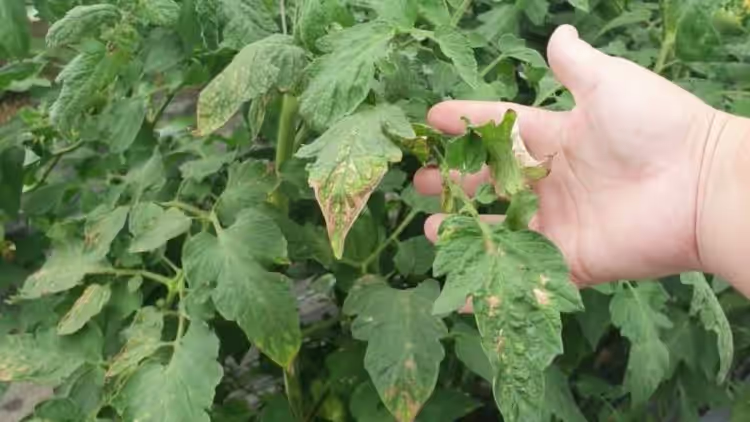
One of the most destructive tomato diseases is late blight, caused by the fungus Phytophthora infestans. If not controlled, this disease can spread rapidly and wipe out entire tomato crops.
🔍 How to Recognize Late Blight:
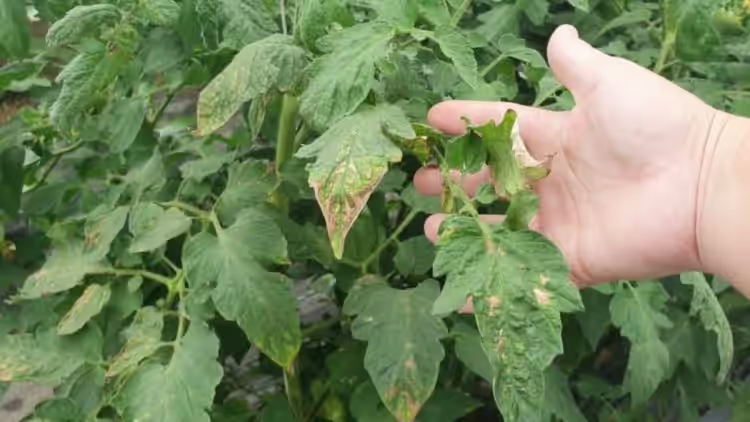
✔ Early signs appear as light green or whitish spots on the tips of leaves.
✔ The spots expand over time, covering the entire leaf.
✔ Elliptical dark spots appear on the stem, which can block nutrient flow, causing the plant to dry out and die.
✔ The disease also affects tomato fruits, covering them with dark patches that cause rotting and decay.
Late blight is especially dangerous because it can strike at any stage of the growing season. If left untreated, it can devastate your plants completely.
🌡 When Are Tomatoes Most at Risk?
Late blight thrives in humid conditions and spreads rapidly when temperatures are between 18°C and 21°C (64°F – 70°F) with a humidity level of 60% to 90%.
🌧️ Rainy seasons and high soil moisture create the perfect environment for the fungus to grow and infect tomato plants.
To protect your tomatoes, it’s essential to monitor your plants regularly and take preventive measures before the rainy season begins.
🛡 How to Prevent Late Blight
✔ Improve Air Circulation – Space out plants properly to reduce humidity buildup.
✔ Avoid Overwatering – Too much moisture encourages fungal growth. Water in the morning to allow leaves to dry throughout the day.
✔ Use Mulch – A layer of mulch helps prevent water splashes, which can spread the fungus.
✔ Remove Infected Leaves – At the first sign of disease, prune and dispose of affected leaves immediately.
✔ Choose Resistant Varieties – Some tomato varieties are bred to be more resistant to late blight.
✔ Apply Natural Treatments – Spraying plants with copper-based fungicides or a baking soda solution can help prevent infection.
🌱 Keep Your Tomato Plants Safe
By recognizing early warning signs and taking preventive steps, you can protect your tomato plants from fungal diseases and ensure a healthy, abundant harvest. Keep an eye on your plants, act fast when you see symptoms, and enjoy growing delicious, homegrown tomatoes! 🍅✨