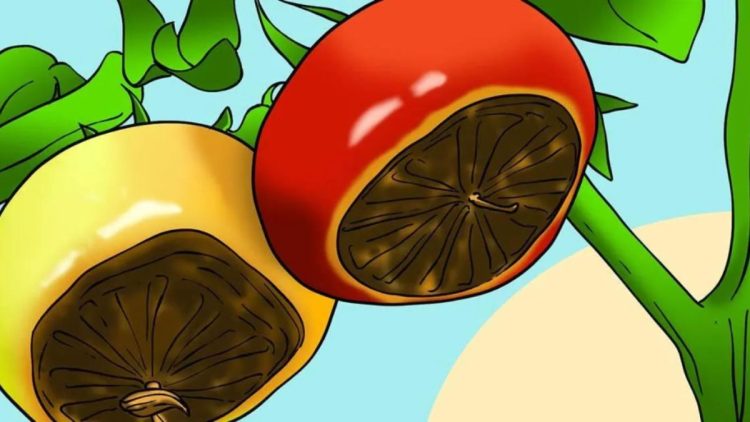
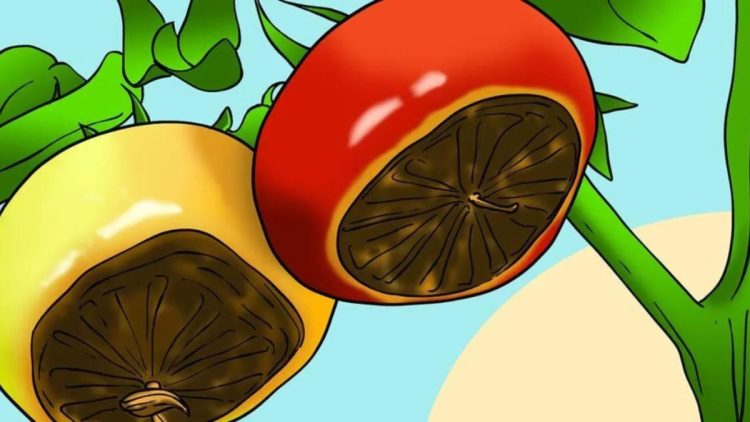
Are you planning to grow tomatoes in your garden? That’s fantastic! There’s nothing quite like watching these little fruits grow and ripen day by day. However, it’s important to be aware that tomatoes can be quite fragile, and they sometimes fall victim to blossom end rot. This issue manifests as black spots on the underside of the fruit, which can be disheartening. Fortunately, with some preventive measures, you can ensure a healthy harvest of beautiful, red tomatoes.
What Causes Blossom End Rot in Tomatoes?
The primary cause of blossom end rot is not insect infection or disease, but rather a calcium deficiency often triggered by drought conditions. Tomato plants require calcium at all stages of growth, from roots to fruits, and this mineral is transported through water. When water is scarce, calcium cannot circulate effectively, leading to blossom end rot.
Many gardeners have heard of home remedies, like using antacid tablets or eggshells, to increase calcium levels. While these methods aren’t harmful, they might not provide a significant solution, as the real issue lies in water availability. Testing your soil for calcium and other essential nutrients is crucial for understanding your plants’ needs.
4 Tips to Prevent Blossom End Rot
- Water Tomato Plants Well
To encourage healthy growth, it’s recommended to provide about 1 liter of water per day per tomato plant. Using a soaker hose or watering can is effective, especially for container-grown tomatoes, which tend to dry out faster.
Tip: Avoid getting the leaves wet while watering to prevent leaf diseases. Keeping leaves dry is ideal for their health. - Apply Mulch Around Tomato Plants
A simple yet effective strategy is to spread a 5 cm layer of organic mulch around the base of your plants. This helps the soil retain moisture and reduces weed growth. Options for mulch include straw, grass clippings, chopped leaves, or shredded bark. - Do Not Over-Fertilize!
Caution is key! Over-fertilization can lead to rapid plant growth, which may hinder proper calcium circulation. To improve soil nutrients, apply a layer of well-rotted compost (about 2 inches thick) before spring planting. Compost releases nutrients slowly and enhances soil structure.
Note: Only fertilize based on soil test recommendations and follow instructions carefully. - Take Care of the Roots
The roots are vital for calcium absorption, so it’s essential to avoid disturbing the root zone of your tomato plants. Keep weeds in check with mulch to help your plants absorb the necessary nutrients without interference.
How to Add Calcium to Tomatoes
Calcium deficiency is common in tomato plants, but there are several simple methods to address it:
- Eggshells: Crush and bury eggshells in the soil. This adds calcium, albeit in a form that is slow to dissolve. For better results, macerate the shells in a mild acid, like vinegar, to release more calcium.
- Calcium Oxide: If your soil is rich in mineral salts but has absorption issues, adding calcium oxide can improve the situation.
- Milk: Since milk is high in calcium, you can dilute a glass in a liter of water and spray it on the plants. Alternatively, sprinkle powdered milk directly on the soil or leaves every two weeks.
How to Combat Tomato Blight
Mildew can severely affect tomato plants, causing rot. To prevent and combat this fungal disease, consider using ozone. Ozone can inhibit the growth of pathogens, including those responsible for mildew. You can apply it through ozonized water or by spraying it directly on the leaves. Ozone also helps disinfect the substrate, promoting healthier plant growth.
With these tips and tricks, you can effectively prevent blossom end rot and ensure a bountiful harvest of delicious tomatoes!