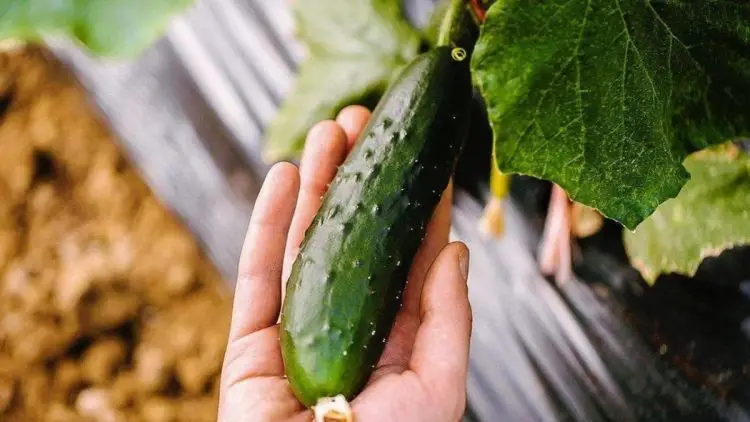
Growing cucumbers (Cucumis sativus) can be a rewarding experience, but it’s important to avoid common mistakes to ensure a healthy harvest. Whether you’re a seasoned gardener or a beginner, knowing what to avoid is just as crucial as knowing what to do. Here’s a guide to the top mistakes to avoid when planting cucumbers.
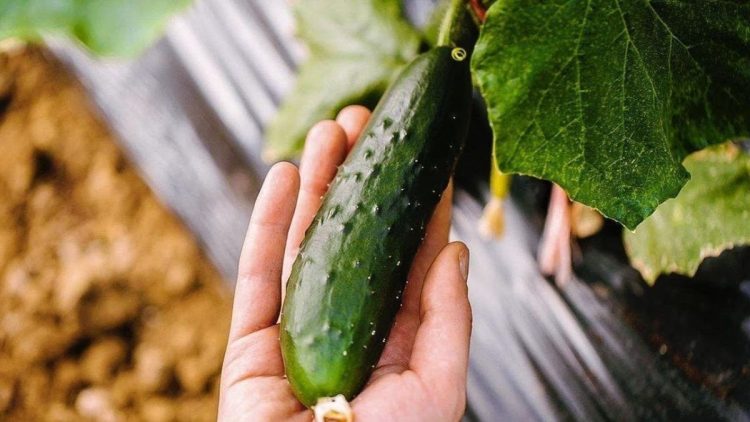
1. Improper Watering – Over or Under Watering
Watering your cucumber plants correctly is essential for their growth. Irregular humidity can lead to bitter-tasting cucumbers, so it’s important to strike the right balance. Avoid overwatering or underwatering your plants!
- Tip: Use the deep watering method to ensure the plant’s roots grow deep into the soil, encouraging strong root development. Check soil moisture by digging your finger into the ground—if it’s dry, it’s time to water.
2. Lack of Nutrients – Stunted Growth
Cucumbers need continuous feeding throughout their growth stages. It’s a myth that cucumbers don’t need nutrients after planting. Ensure your plants get the right fertilizer, especially when they begin to flower.
- Tip: Use a balanced fertilizer with an emphasis on nitrogen to support leaf and vine growth. Don’t forget to check your plants periodically to ensure they’re still receiving the nutrients they need.
3. Poor Soil Quality – Acidic pH
Cucumbers prefer soil that is neutral to slightly alkaline. If the soil pH is too acidic, cucumber growth will be stunted. Test your soil before planting to avoid this mistake.
- Tip: Amend your soil with compost to improve texture and drainage. Ensure there is adequate space for the roots to spread—plant cucumbers with at least one meter of space between each.
4. Wrong Garden Size or Cucumber Variety
Not all cucumbers are the same! Some varieties are more suited to small gardens, while others need more space to spread out. Bush cucumbers are ideal for smaller spaces, while vining cucumbers need room to grow taller.
- Tip: Choose cucumber varieties that match your garden size. Consider using an espalier (trellis) to grow cucumbers vertically, which saves space and helps with air circulation.
5. Neglecting Weather Conditions – Temperature Shifts
Climate plays a major role in cucumber growth. Cucumbers are sensitive to cold temperatures and frost. Always stay up-to-date with the weather forecast to protect your plants from sudden temperature drops.
- Tip: In case of unexpected cold, cover your cucumber plants with sheets or buckets to shield them from frost damage.
6. Ignoring Pests and Diseases
Cucumbers are prone to pests like cucumber beetles and aphids, and they can also suffer from fungal diseases. Failing to monitor for these threats can result in major damage to your plants.
- Tip: Regularly inspect your garden for pests, especially at night when they are most active. Use insecticides for pests and fungicides for fungal diseases. If you notice affected areas, remove the infected parts immediately.
When Should You Plant Your Cucumbers?
The best time to plant cucumbers is spring, after the last frost. Planting them in April will allow for a good harvest starting in August. For an earlier harvest, sow cucumber seeds indoors about three weeks before the last frost date, ensuring a consistent temperature of 21°C.
- Tip: Always wait until the soil reaches at least 21°C before planting cucumbers outdoors. They do not tolerate frost or extreme cold, so be patient before transplanting them into the garden.
With these tips and insights in mind, you’re now ready to avoid the common mistakes and grow a successful cucumber crop! Happy gardening!


