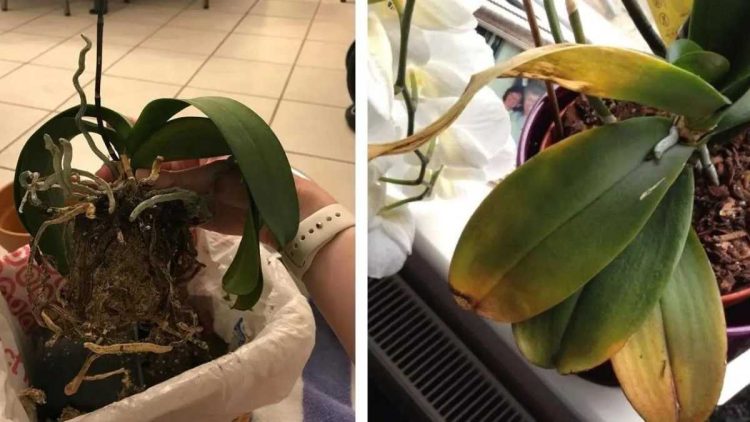
Orchids are some of the most popular indoor plants, celebrated for their exotic beauty and elegance. However, taking care of them can be tricky if you’re not aware of their specific needs. With these six essential tips, you can ensure your orchids thrive and bloom for years to come.
1. Know When to Repot Your Orchid
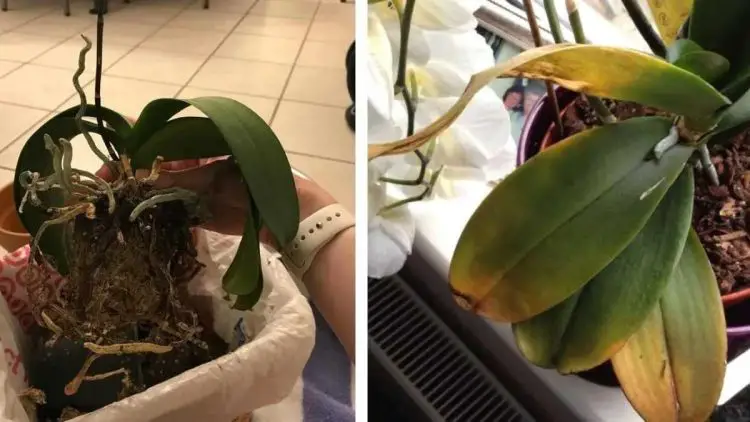
Orchids don’t need frequent repotting—once every 2 to 4 years is enough. The best time to repot is in the spring, after the flowering phase.
When choosing a pot, opt for special orchid pots with built-in steps to keep the plant above standing water. Transparent pots are even better, as they allow you to monitor the roots, which turn a gray-white color when they’re dry and need watering.
2. Use the Right Substrate
Unlike most plants, orchids don’t grow in regular soil. In the wild, they often attach to trees, allowing their roots to breathe and stay well-ventilated.
To mimic this environment, use a loose orchid substrate rather than traditional potting soil. This prevents excess moisture from accumulating around the roots, reducing the risk of root rot.
3. Choose the Perfect Location
Orchids need plenty of indirect light. While they love brightness, direct sunlight can scorch their delicate leaves.
The best locations for orchids are east- or west-facing windows, where they can enjoy the morning or late afternoon light without prolonged exposure to the sun’s rays.
4. Water Correctly
Proper watering is crucial for orchids. During the winter months, watering once a week is sufficient, while in warmer seasons, you may need to water twice a week.
A helpful trick is to lift the plant out of its pot—if it feels light, it likely needs water. To avoid overwatering, try this method:
- Place the orchid in a water bath for a few minutes, ensuring the root ball is submerged.
- Remove it and let any excess water drain out.
Whenever possible, use clean rainwater at room temperature. If you rely on tap water, ensure it’s not too hard. Filtering the water can help if necessary, but some orchid varieties are more tolerant of hard water.
5. Fertilize Sparingly
When it comes to fertilizing orchids, less is more. Use orchid-specific fertilizers available in liquid or stick form, but avoid applying fertilizer directly on the flowers, as this can encourage fungal growth or attract pests.
Only fertilize once new flower shoots appear. If using regular liquid fertilizer instead of an orchid-specific type, dilute it with water in a 1:10 ratio to avoid overfeeding the plant.
6. Prune Properly
Regular pruning keeps your orchid healthy and encourages new growth. Remove any dead leaves, aerial roots, or plant parts. To identify whether a root is still alive, spray it with water—living roots turn green, while dead ones remain discolored.
Cut flowering stems back after blooming, just above the third bract (the small thickened parts of the stem). Be sure to also remove any rotten or mushy areas carefully to prevent disease.
Bonus Tip: Choose Orchids Wisely
The health of your orchid doesn’t just depend on care at home. When purchasing an orchid, inspect it for signs of poor handling, such as exposure to drafts or damaged roots. Starting with a healthy plant will significantly increase its longevity.
By following these six simple tips, you can enjoy vibrant, healthy orchids that bloom beautifully year after year. Orchids may require a bit of extra attention, but their stunning flowers and unique charm make it well worth the effort.