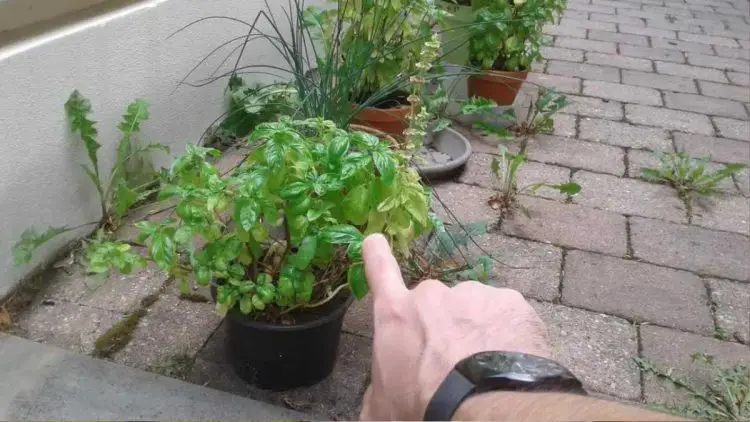
Basil is a beloved herb in Mediterranean cuisine, known for its aromatic flavor and vibrant green leaves. However, it’s all too common for basil plants to wither away too quickly. Luckily, with the right care, you can help your basil thrive and keep it fresh for longer. Here are 7 tips to extend the lifespan of your basil plant and always have this flavorful herb on hand.
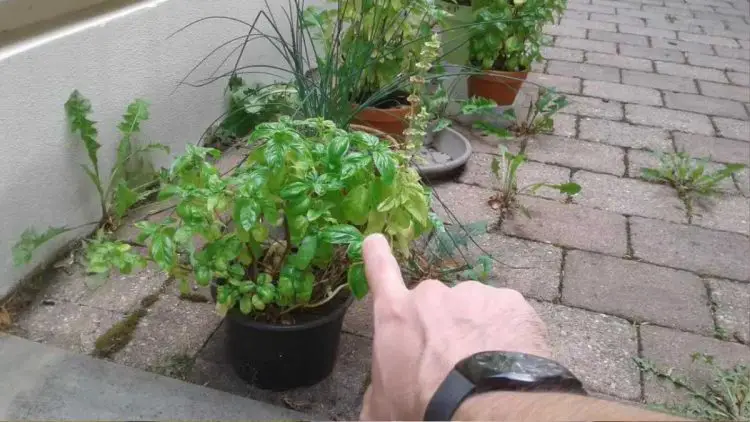
1. Watering
Basil needs consistent moisture but does not tolerate overwatering. Many gardeners make the mistake of either overwatering or neglecting their plant. The key is to keep the soil evenly moist without allowing it to become soggy. Be sure to water the soil and avoid getting the leaves wet, as this can promote fungal growth.
2. Location
Basil is a Mediterranean plant that thrives in bright, sunny spots. If you’re growing it indoors, place it in the sunniest spot you can find, preferably by a south-facing window. For outdoor planting, the garden or balcony is ideal, especially during the summer. Basil needs plenty of sunlight and fresh air to grow properly.
3. The Pot
Basil plants need plenty of space for their roots to spread. If you purchase a basil plant from the store, it’s often overcrowded in its original pot. To give it room to grow, divide the plant into four parts and repot each section into its own individual pot with fresh soil. This will help your basil grow strong and healthy.
4. The Earth
When planting basil, choose a high-quality, nutrient-rich potting soil rather than specialty herb soil. Basil is a nutrient-hungry plant and requires rich soil to thrive. Proper soil helps ensure that your plant gets the necessary nutrients for growth.
5. Fertilization
To encourage healthy growth, fertilize your basil plant once or twice a month with an organic liquid fertilizer designed for leafy plants. If you’re growing basil outdoors, fertilizing once every six weeks is sufficient. Regular fertilization will help your plant grow lush, and it will also help keep pests like mites at bay.
6. The Harvest
To keep your basil plant strong and bushy, it’s best to cut entire stems rather than plucking individual leaves from different branches. Cutting back stems encourages the plant to grow new shoots from the cut points, making the plant even bushier and producing more leaves over time.
7. Flowering
While it’s common to worry when basil begins to flower, it’s actually a natural process. However, flowering can cause the leaves to lose their size and flavor. You can prevent this by cutting off flower stems early. If your basil does flower, don’t panic—the flowers are edible and can be used to decorate salads, adding a touch of color and flavor.
Conclusion
Basil plants are often stressed when purchased because of their cramped pots and lack of nutrients. However, by providing the right care—such as proper watering, sunlight, space, and fertilization—you can give your basil a new lease on life. With a little dedication, your basil will reward you with abundant leaves and a fresh supply of flavorful herbs for your cooking.


