Christmas cacti are among the most popular winter plants, and knowing how to grow and care for them will ensure they thrive even after the holiday season. If you receive a Christmas cactus as a gift, it’s important to take good care of it so it continues to produce its beautiful, colorful flowers and enhances your home.
Origin and Environment
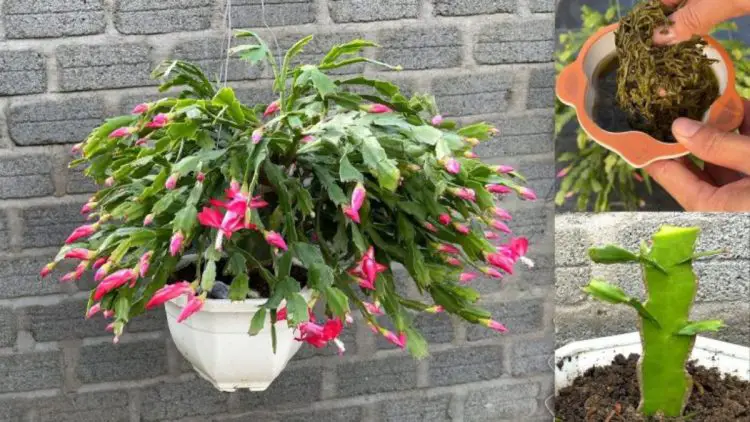
First, it’s essential to understand that the Christmas cactus, scientifically known as Schlumbergera, is native to Brazil and belongs to the Cactaceae family. It thrives in tropical forests, preferring shade and humidity. This makes the indoor climate of our homes ideal for its growth during winter when heating is often on.
1. When Does the Christmas Cactus Bloom?
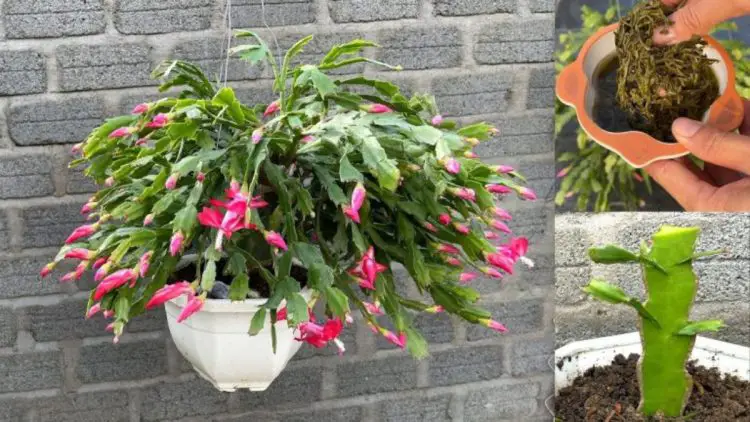
Christmas cacti typically bloom between December and January, just in time for the holiday festivities. Their flowers can come in various colors, including pink, red, purple, and red-violet. To ensure the flower buds stay vibrant, keep the cactus away from drafts and heat sources. Avoid placing it near frequently opened doors or close to fireplaces, stoves, or radiators.
2. Where to Place It?
The ideal temperature for an indoor Christmas cactus is around 20°C. To extend its blooming period, place it in a bright room during winter. In the summer, it can be moved outside to a semi-shaded area to prevent leaf burn from too much sun. Bring the cactus back indoors in early September as the days shorten, which can delay flowering until Christmas.
A perfect spot for your Christmas cactus during December and January is on an inside windowsill, allowing it to soak up daylight and promote blooming throughout winter.
Keep the plant elevated, especially if you have pets, as certain parts of the cactus can cause diarrhea or vomiting if ingested. Always place it out of reach of curious pets and consult a veterinarian if any issues arise.
3. When to Water the Christmas Cactus?
Being native to tropical forests, the Christmas cactus prefers a humid climate. Regular watering is crucial, both in summer and winter. In winter, water it gradually, ensuring that the saucer does not accumulate water, while keeping the soil moist. In summer, lightly mist the leaves with water as well. The best time to water is in the evening, using small amounts at a time.
Avoid water stagnation and excessive watering, especially during blooming, as this can lead to root rot, which may ultimately kill the plant. This rot can be caused by a fungus that is often not visible until damage occurs. Flowering can last from December to February, and watering should be reduced post-bloom. Generally, watering once or twice a week in winter should suffice.
The Christmas cactus thrives in acidic and peaty soils. Natural fertilizers can be used during the flowering period to nourish the plant, but stop fertilizing when the flowers fall. It’s best to fertilize in spring and summer during the plant’s active growth phase.
4. How to Multiply and Reproduce Your Christmas Cactus?
Multiplication by Cuttings
To propagate your cactus, you can use last year’s stems that have dried for a few days. Follow these steps:
- Take a 10-15 cm long stem from the plant.
- Allow it to dry for at least 48 hours.
- Once dry, plant it in soil mixed with sand, burying it at least 3 cm deep.
Multiplication by Hand Pollination
If you have multiple Christmas cacti with different flower colors, you can try manual pollination. Use a small brush to collect pollen from one plant and transfer it to another, then wait for the plant to bear fruit with small seeds that can be planted in spring.
5. Lifespan
Christmas cacti can live a remarkably long time, often 20 to 30 years, making them a symbolic and enduring gift during the holiday season.
By following these tips on care and maintenance, your Christmas cactus will flourish and continue to bring joy for many years to come!