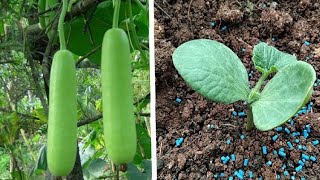
Squash and pumpkins are versatile and nutritious vegetables that thrive in various climates and soil conditions. Here’s a concise guide on the cultivation of squash or pumpkin to ensure successful growth and a plentiful harvest:
1. Choosing the Right Variety:
- Select squash or pumpkin varieties suited to your climate, available space, and culinary preferences. Popular varieties include butternut squash, acorn squash, and sugar pie pumpkins.
2. Soil Preparation:
- Plant squash or pumpkin in well-draining, fertile soil enriched with compost or well-rotted manure. Aim for a soil pH between 6.0 and 7.5 for optimal growth.
3. Planting Time and Spacing:
- Plant squash or pumpkin seeds directly in the garden after the last frost date when soil temperatures have warmed to at least 60°F (15.5°C).
- Space seeds or seedlings 2-3 feet apart in rows or hills to allow for ample root and vine expansion.
4. Planting Depth and Technique:
- Plant seeds 1-2 inches deep in moist soil. For hills, sow 3-4 seeds per hill and thin to the strongest seedling once established.
5. Watering and Moisture Management:
- Keep the soil consistently moist throughout the growing season, especially during flowering and fruit development. Avoid waterlogging, which can lead to root rot.
6. Fertilization and Nutrient Needs:
- Fertilize squash or pumpkin plants with a balanced fertilizer at planting time and again when plants begin to vine or develop fruit.
- Side-dress plants with compost or a nitrogen-rich fertilizer during mid-season to support vigorous growth and fruit set.
7. Mulching and Weed Control:
- Apply a layer of organic mulch around plants to conserve soil moisture, suppress weeds, and maintain even soil temperature.
- Weed regularly to reduce competition for nutrients and sunlight, especially during the early stages of growth.
8. Pollination and Fruit Development:
- Squash and pumpkins rely on pollinators such as bees for successful fruit set. Planting pollinator-attracting flowers nearby can enhance pollination rates.
- Hand-pollinate if necessary by transferring pollen from male to female flowers using a small brush or cotton swab.
9. Pest and Disease Management:
- Monitor for pests such as squash bugs, cucumber beetles, and powdery mildew. Use organic pest control methods like neem oil or insecticidal soap when necessary.
- Rotate crops annually and practice good garden hygiene to minimize the risk of diseases and pests.
10. Harvesting and Storage:
- Harvest squash or pumpkins when the fruit reaches full maturity and the rind is hard and evenly colored. Use a sharp knife or pruning shears to cut the stem, leaving a few inches attached to the fruit.
- Cure pumpkins in a warm, dry place for 10-14 days to harden the skin before storing in a cool, dark location for extended shelf life.
Benefits of Growing Squash or Pumpkin:
- Nutritional Value: Squash and pumpkins are rich in vitamins, minerals, and antioxidants, promoting overall health and well-being.
- Versatility: Enjoy squash and pumpkin in a variety of culinary dishes, from soups and stews to pies and roasted vegetables.
By following these guidelines, you can cultivate robust squash or pumpkin plants and enjoy a bountiful harvest of nutritious and delicious vegetables. With proper care and attention to planting, watering, and pest management, your squash or pumpkin garden will flourish and provide ample rewards throughout the growing season.


