Keeping your flowers and plants pest-free doesn’t have to involve harmful pesticides. With natural methods, you can protect your green spaces effectively and safely. Here’s everything you need to know about common pests and how to deal with them.
The Problem with Plant Pests

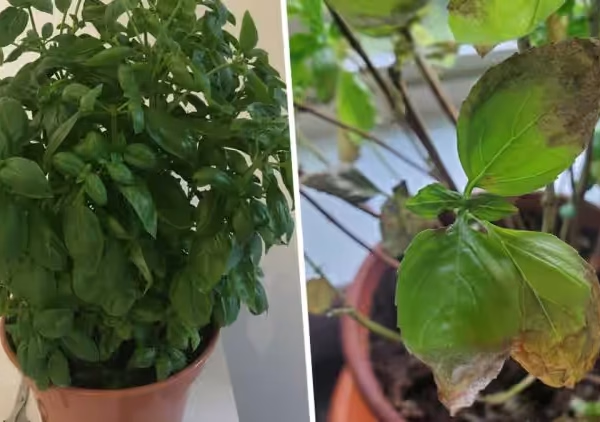
Whether you’re a seasoned gardener or a plant enthusiast, encountering tiny insects on your plants is a common challenge. These pests, such as aphids, caterpillars, whiteflies, and mealybugs, may be harmless to humans but pose a serious threat to plant health.
- Aphids feed on plant sap, causing leaves to lose their vibrancy, turn yellow, and deform.
- Caterpillars can quickly devour entire leaves or branches, particularly targeting plants like basil and lettuce.
- Whiteflies leave behind honeydew, a sticky substance that promotes mold growth and leaf discoloration.
- Powdery mildew, a fungal infection, wraps plants in a white, powdery layer, weakening their structure.
Why Avoid Pesticides?
While pesticides may seem like a quick fix, they come with significant downsides:
- Environmental harm: Chemical residues can seep into the soil and contaminate groundwater.
- Health risks: Pesticide residues on food can negatively impact human health.
- Ecosystem disruption: Many pesticides kill beneficial insects, such as pollinators, along with harmful ones.
Fortunately, there are natural remedies that effectively eliminate pests without these drawbacks.
Natural Methods to Combat Plant Pests
- Neem Oil
- Neem oil, derived from the seeds of the neem tree, is a powerful natural remedy.
- Its active component, Azadirachtin, targets pests like aphids without harming beneficial insects like bees.
- To use, dilute the oil with water and apply it to affected areas.
- Bacillus Thuringiensis (Bt)
- A natural bacterium that combats pests like caterpillars.
- Available in most gardening stores, it’s safe for humans, pets, and pollinators.
- Physical Barriers
- Use fine mesh nets to prevent pests from landing on your plants.
- Remove pests manually or wash them off with water when infestations are visible.
- Homemade Solutions
- A mixture of garlic, onion, and dish soap can deter pests like aphids and whiteflies.
- Place traps with sticky surfaces near plants to capture flying insects.
Preventing Pest Infestations
- Regularly inspect your plants for signs of pests, such as discolored leaves or sticky residues.
- Avoid overwatering, as pests and fungi thrive in humid conditions.
- Introduce natural predators, like ladybugs, to keep pest populations in check.
By opting for natural pest control methods, you can maintain a healthy and vibrant garden without harming the environment or your health. Protect your flowers and plants today with safe and effective solutions!