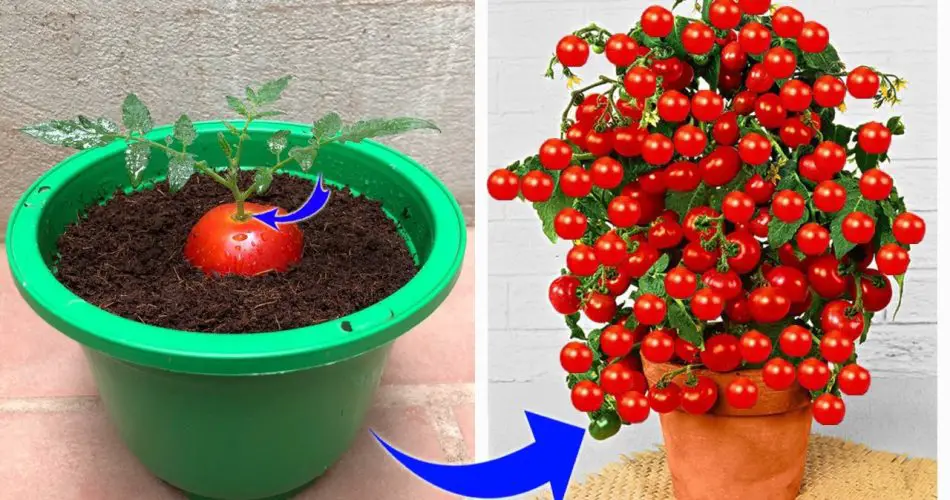
Tomato propagation is a crucial skill for gardeners looking to expand their tomato crops. While many gardeners are familiar with traditional methods, fewer are aware that coffee can be used to enhance tomato propagation. This surprising method offers several benefits and can be an effective way to cultivate robust tomato plants. Here’s how you can use coffee to propagate tomatoes and what makes it such a valuable technique.

Why Use Coffee for Tomato Propagation?
Coffee is not just a morning pick-me-up; it can also be a powerful tool in gardening. Here’s why coffee grounds can benefit tomato propagation:
- Nutrient-Rich: Coffee grounds are rich in nitrogen, which is essential for plant growth. This nutrient helps promote vigorous root development and overall plant health.
- Improves Soil Structure: Adding coffee grounds to the soil enhances soil aeration and improves drainage, creating a better environment for young tomato plants.
- Natural Pest Repellent: Coffee grounds can act as a natural pest repellent, helping to deter pests like slugs and snails.
How to Propagate Tomatoes Using Coffee
- Prepare Your Materials:
- Tomato Cuttings: Choose healthy tomato branches or suckers for propagation. Each cutting should be about 4-6 inches long with a few leaf nodes.
- Coffee Grounds: Collect used coffee grounds from your kitchen or local coffee shop. Make sure they are dry before use.
- Rooting Hormone: Optional, but can improve rooting success.
- Potting Mix: Use a well-draining potting mix or a mix of peat, perlite, and vermiculite.
- Prepare the Cuttings:
- Use clean, sharp scissors or pruners to cut a healthy branch from the tomato plant. Make the cut just below a leaf node.
- Remove any leaves from the lower part of the cutting to expose the nodes, which will help with root development.
- Apply Rooting Hormone:
- Dip the cut end of the tomato cutting into rooting hormone powder or gel. This step is optional but can encourage faster and stronger root growth.
- Prepare the Coffee Grounds:
- Mix coffee grounds with your potting mix. Aim for a ratio of 1 part coffee grounds to 4 parts potting mix. This will ensure the soil remains well-draining while benefiting from the nutrients in the coffee grounds.
- Plant the Cuttings:
- Insert the prepared tomato cuttings into the potting mix with coffee grounds. Bury them about 1-2 inches deep, ensuring the nodes are covered.
- Water the cuttings lightly to settle the soil around them. Keep the soil moist but not waterlogged.
- Create a Humid Environment:
- Cover the pots or trays with a clear plastic bag or a plastic dome to create a greenhouse effect. This helps maintain high humidity and promotes root development.
- Place the covered cuttings in a location with bright, indirect light. Avoid direct sunlight, which can be too intense for the young plants.
- Monitor and Care for the Cuttings:
- Check the soil moisture regularly and water as needed. Allow for air circulation by occasionally removing the plastic cover.
- After a few weeks, gently check for root development by tugging on the cuttings. When you feel resistance, the roots are forming.
- Transplanting:
- Once the cuttings have developed a strong root system, they can be transplanted into larger pots or directly into the garden. Choose a sunny spot with well-draining soil for optimal growth.
Benefits of Using Coffee Grounds for Tomato Propagation
- Cost-Effective: Utilizing coffee grounds is an affordable and sustainable way to improve soil health and support tomato propagation.
- Enhanced Growth: The nitrogen and other nutrients in coffee grounds boost root development and plant vitality.
- Environmental Impact: Recycling coffee grounds helps reduce waste and benefits the garden ecosystem.
Additional Tips
- Avoid Overuse: Do not overapply coffee grounds, as excessive amounts can lead to soil acidity and affect plant growth.
- Combine with Other Methods: Use coffee grounds in conjunction with other propagation techniques and best practices for optimal results.
Conclusion
Few people realize that coffee grounds can be a valuable tool in tomato propagation. By incorporating this method, you can enhance root growth, improve soil health, and cultivate robust tomato plants. Embrace this unique propagation technique and enjoy the benefits of thriving, healthy tomatoes in your garden.