Gardening in March prepares your garden for the awakening of spring. Here’s how you can get the most out of this crucial month.
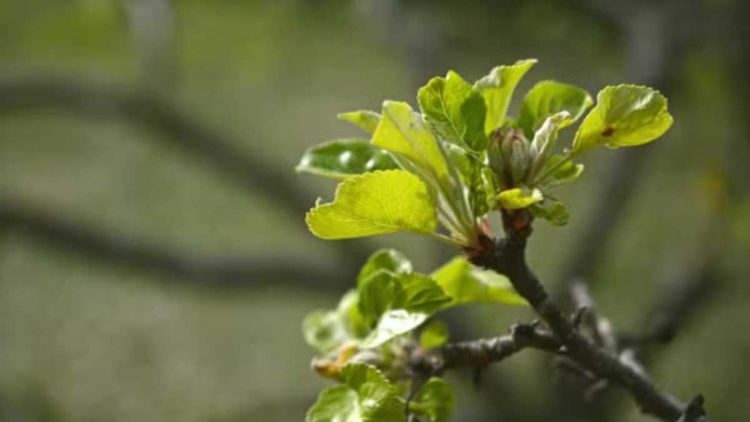
After the winter rest, there’s plenty to do in the garden in March. You can start sowing, planting, fertilizing, and pruning. If you grow vegetables and fruits, you’ll soon be looking forward to a varied harvest.
Gardening in March: Sowing and Planting
A key part of gardening in March is sowing and planting spring vegetables. When the weather warms up and the soil becomes a bit drier, you can sow the following vegetable varieties directly into the garden:
- Carrots
- Spinach
- Parsley
- Onions
- Chicory
- Lettuce
- Radish
- Parsnip
- Spring onions
You can also plant pre-germinated seedlings in March, such as:
- Head lettuce
- Jerusalem artichoke
- Asparagus
- Rhubarb
- Beans
- Cauliflower
- Broccoli
- Kohlrabi
- Radish
Depending on weather conditions and the resilience of each plant, you might want to protect them with a light veil against the cold, wind, and precipitation.
Gardening in March: Planting and Caring for Fruit Trees
March is also an excellent time to plant shrubs and fruit trees. Consider incorporating these into your garden:
- Blackberries
- Raspberries
- Currants
- Apricot
- Pear tree
- Apple
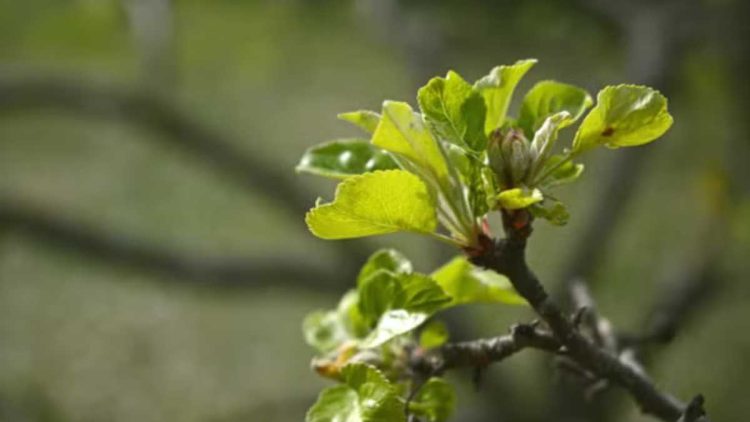
If you already have fruit trees, it’s time to prune them. Remove any diseased or dead shoots to promote healthy growth.
In March, pay attention to your strawberry plants to boost their yield. Remove or replant runners, fertilize with compost, and control weeds.
Gardening in March: Harvesting Winter Vegetables
Gardening in March isn’t just about sowing new plants. If you’ve maintained your garden well in January and February, you can now harvest the last of the winter vegetables. This includes:
- Chicory
- Chard
- Leek
- Spinach
- Parsnip
Preparing and Planning the Gardening Year
March is the perfect time to plan the next gardening season. It helps to write down which plants you want to grow and when. Learn about the characteristics of different plant varieties and decide the best spots for them in your garden, especially if you’re planning a vegetable garden.
You should also prepare your flowerbeds by aerating the soil as soon as it’s no longer cold and sufficiently dry. Incorporating a bit of compost will enrich the soil, making it highly nutritious for your plants.
Consider fertilizing your lawn with an organic fertilizer to promote summer growth. If necessary, mow for the first time in March, but remember to leave some wild spots to provide habitat and food for insects.
Gardening in March: The Pleasure Garden
In March, the first early flowers like daffodils, narcissus, or hyacinths begin to bloom. Not only are they beautiful, but they also serve as an important food source for insects. Fertilize them with compost or another organic fertilizer to encourage their growth.
To ensure your garden remains vibrant in the following months, plant these varieties:
- Pansies
- Bluebells
- Primroses
- Violas
- Forced tulips
- Gessies
- Poppies
Towards the end of March, it’s time to prune the roses vigorously to enhance their summer bloom. After pruning, fertilize them with organic fertilizer (e.g., compost). Also, give hydrangeas an extra portion of fertilizer and consider a bit of pruning to remove dead stems. The same care applies to evergreen hedges.