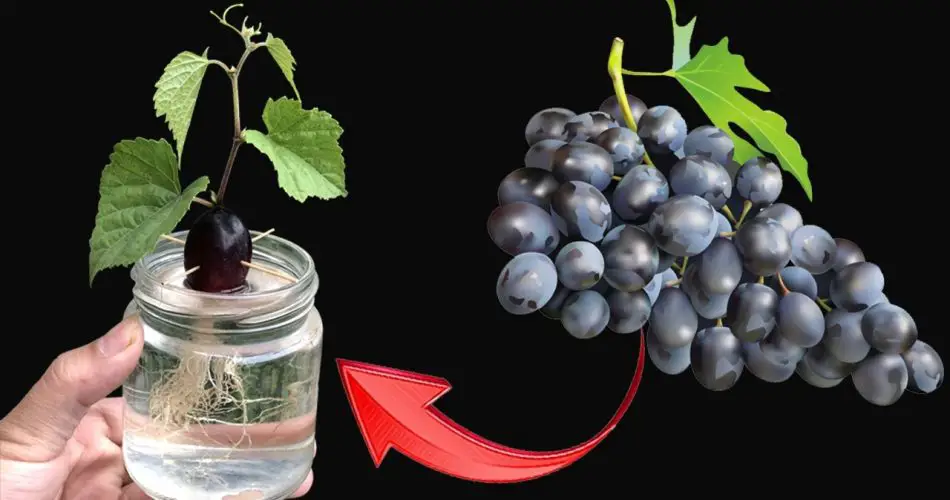
Growing grapes can be a rewarding endeavor, but achieving a lush, productive vineyard requires more than just planting and watering. One often-overlooked tool for enhancing grape growth is lime powder. This simple yet effective addition to your gardening routine can lead to remarkable results. Here’s how lime powder can improve your grape-growing efforts and some creative ideas to make the most of it.
Why Use Lime Powder for Growing Grapes?
Lime powder offers several benefits that can help you grow healthier and more productive grapevines:
- Soil pH Adjustment: Lime powder helps raise the pH of acidic soils, creating a more favorable environment for grapevines. Grapes thrive in slightly acidic to neutral soil (pH 6.0-7.0).
- Nutrient Availability: By adjusting soil pH, lime powder improves the availability of essential nutrients, such as calcium and magnesium, which are crucial for grapevine health.
- Soil Structure Improvement: Lime can enhance soil structure, promoting better water infiltration and root growth by reducing soil acidity.
How to Use Lime Powder for Grapes
Here’s a step-by-step guide on incorporating lime powder into your grape-growing routine:
- Test Your Soil:
- Soil pH Testing: Before applying lime powder, test your soil’s pH using a soil test kit. This will help you determine how much lime is needed to achieve the desired pH level.
- Consult Recommendations: Based on the soil test results, follow the recommendations for lime application. This ensures you apply the correct amount to adjust the pH effectively.
- Apply Lime Powder:
- Calculate the Amount: Use the soil test results to calculate the amount of lime powder needed. Generally, 1-2 pounds of lime per 100 square feet is a common starting point.
- Spread Evenly: Distribute the lime powder evenly over the soil surface around your grapevines. Avoid direct contact with the plant stems or leaves.
- Incorporate into Soil: Use a rake or garden fork to gently mix the lime powder into the top 2-3 inches of soil. This ensures better interaction with the soil and more effective pH adjustment.
- Timing of Application:
- Pre-Planting: If you’re planting new grapevines, incorporate lime powder into the soil several months before planting. This allows time for the lime to adjust the pH.
- Established Vines: For established grapevines, apply lime powder in early spring or fall. Avoid applying lime right before or after heavy rainfall, as this can lead to runoff and reduced effectiveness.
- Monitor and Adjust:
- Observe Plant Health: After applying lime powder, monitor the health of your grapevines. Look for signs of improved growth and fruit development.
- Re-Test Soil: Periodically re-test your soil to ensure the pH remains within the optimal range for grapevines. Adjust lime application as needed based on these results.
Creative Uses of Lime Powder in Grape Growing
- Pest Control: Lime powder can be used as a natural pest repellent. Sprinkle it around the base of grapevines to deter pests like ants and slugs.
- Fungal Prevention: Lime can help in preventing fungal diseases by improving soil drainage and reducing acidity, which discourages fungal growth.
- Enhancing Compost: Mix lime powder into your compost to balance pH levels, creating a more nutrient-rich compost for grapevines.
Benefits of Using Lime Powder
- Enhanced Soil Health: Improves soil pH, structure, and nutrient availability, leading to healthier grapevines.
- Increased Yield: Proper soil pH and nutrient balance can result in a more abundant and higher-quality grape harvest.
- Cost-Effective: Lime powder is an inexpensive way to significantly improve soil conditions and plant health.
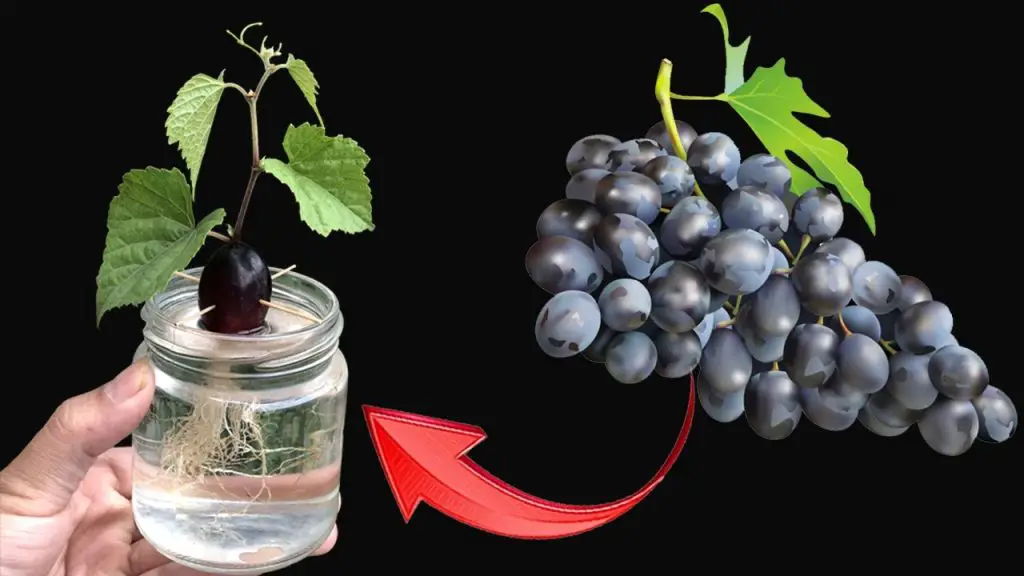
Using lime powder is a fantastic and often overlooked method for improving grape growing. By adjusting soil pH, enhancing nutrient availability, and improving soil structure, lime powder can lead to healthier grapevines and a more bountiful harvest. Incorporate these tips into your grape-growing routine and watch your vines thrive like never before.