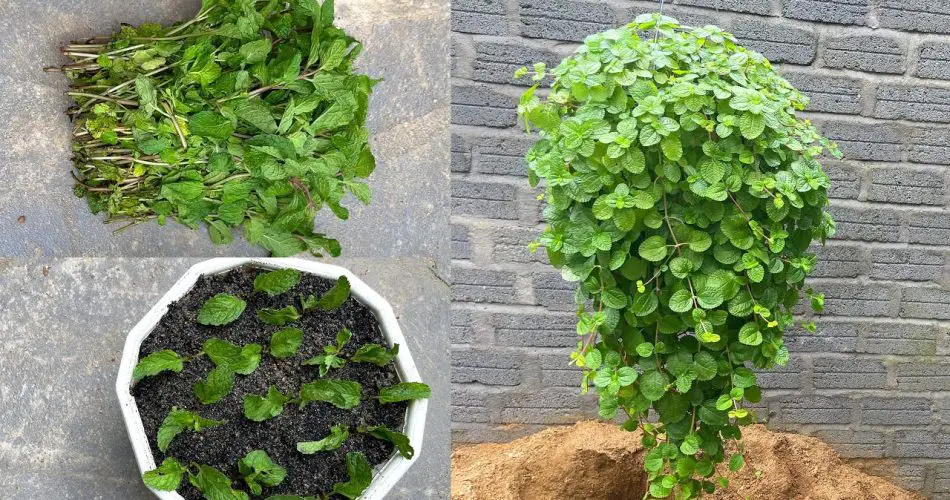
Elevate Your Indoor Garden: Growing Mint as a Hanging Plant
Mint, with its aromatic leaves and versatile uses, is a delightful addition to any home garden. Imagine having this herb at your fingertips throughout the year, effortlessly accessible in your indoor space. In this article, we’ll explore the joys of growing mint as an indoor hanging plant, bringing freshness and flavor to your kitchen while maximizing space.
- Selecting the Right Mint Variety: Mint comes in various flavors, such as peppermint, spearmint, and chocolate mint. Choose a variety that suits your taste preferences and indoor conditions. Mint is known for its vigorous growth, making it an excellent candidate for hanging baskets.
- Choosing a Hanging Basket: Opt for a hanging basket with good drainage to prevent waterlogging. The basket should be large enough to accommodate the mint’s spreading nature while providing ample space for root growth. Ensure the basket comes with sturdy hanging hooks.
- Potting Mix and Location: Use a well-draining potting mix to encourage healthy root development. Place the hanging basket in a location with bright, indirect sunlight. Mint generally thrives in partial shade, making it suitable for indoor environments.
- Planting Mint: Take healthy mint cuttings or use nursery-bought mint plants. Plant them in the hanging basket, leaving enough space between each plant to allow for spreading. Water the mint thoroughly after planting.
- Watering and Maintenance: Mint prefers consistently moist soil, but it’s crucial not to overwater. Allow the top inch of the soil to dry before watering again. Prune the mint regularly to maintain its shape and encourage bushier growth. Pinch off flowers to prevent the plant from going to seed and becoming invasive.
- Feeding Mint: Mint is not particularly demanding when it comes to fertilization. However, you can provide a balanced liquid fertilizer every 4-6 weeks during the growing season to boost its nutrient intake.
- Harvesting Mint: Harvest mint leaves regularly, especially the young, tender ones, to promote continuous growth. Use the harvested leaves for teas, culinary dishes, or as a refreshing addition to beverages.
- Companion Planting: Consider planting mint alongside other herbs or vegetables in hanging baskets. Mint’s aromatic qualities can act as a natural deterrent to certain pests, offering a dual-purpose solution in your indoor garden.
- Preventing Overcrowding: Mint has a tendency to spread rapidly. Keep an eye on its growth and thin out overcrowded sections to ensure each plant has sufficient space. If the mint outgrows its basket, consider repotting or dividing the plants.
In conclusion, growing mint as an indoor hanging plant is a practical and rewarding endeavor that adds both aesthetic and culinary value to your home. With a little care and attention, you can enjoy the benefits of fresh, homegrown mint throughout the year. Happy gardening!
Show Comments


