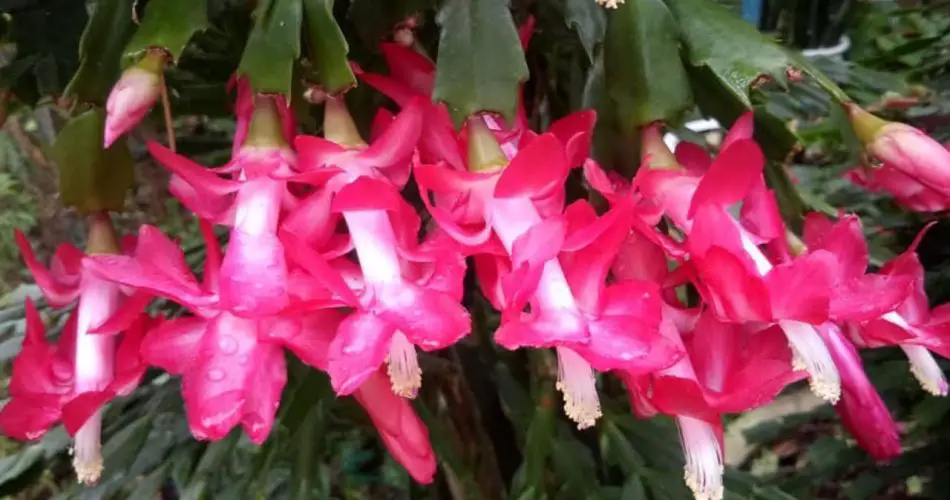
“Guide to Successful Quỳnh Tree Transplantation: Ensuring a Seamless Transition”
Transplanting a quỳnh tree can be a rewarding yet delicate endeavor that requires careful planning and execution. Whether you’re relocating a quỳnh tree within your garden or transferring it to a new environment, following a comprehensive guide ensures a seamless transition and promotes the tree’s continued health and vitality. Let’s explore the key steps for successfully transplanting a quỳnh tree.
1. Choosing the Right Time:
Timing is crucial when it comes to transplanting a quỳnh tree. Opt for the dormant season, typically in late fall or early spring, when the tree is not actively growing. This minimizes stress on the tree and enhances its ability to adapt to the new location.
2. Selecting a New Location:
- Sunlight Exposure:
- Choose a new location that provides similar sunlight exposure to the tree’s current placement. Quỳnh trees generally thrive in areas with partial to full sunlight.
- Soil Conditions:
- Ensure the soil in the new location is well-draining and matches the quỳnh tree’s preferences. Quỳnh trees prefer slightly acidic to neutral soil.
- Adequate Space:
- Allow ample space for the quỳnh tree’s root system to expand in the new location. Avoid areas with competing roots or dense vegetation.
3. Preparing the Tree:
- Watering:
- Hydrate the quỳnh tree thoroughly in the days leading up to transplantation. Well-hydrated trees experience less stress during the transplanting process.
- Pruning:
- Trim any damaged or overgrown branches to reduce stress on the tree. Focus on removing dead or diseased wood to encourage healthy growth post-transplantation.
4. Digging and Transplanting:
- Root Ball Size:
- Dig a hole around the quỳnh tree with a diameter at least twice the size of its root ball. The goal is to preserve as much of the root system as possible.
- Lifting and Transferring:
- Gently lift the quỳnh tree, ensuring the root ball remains intact. Transfer the tree to the new location promptly to minimize root exposure and stress.
- Planting Depth:
- Position the quỳnh tree in the new hole at the same depth it was previously planted. Avoid planting too deep or too shallow, as this can impact the tree’s stability and health.
5. Watering and Mulching:
- Immediate Watering:
- Water the transplanted quỳnh tree immediately after planting to settle the soil around the roots. Provide a deep watering to encourage root establishment.
- Mulching:
- Apply a layer of mulch around the base of the tree to retain moisture and suppress weeds. Keep the mulch away from the trunk to prevent potential issues.
6. Post-Transplant Care:
- Regular Monitoring:
- Monitor the quỳnh tree closely in the weeks following transplantation. Look for signs of stress, and adjust watering frequency based on the tree’s needs.
- Fertilization:
- Consider applying a balanced, slow-release fertilizer to support the tree’s recovery and promote new growth.
Transplanting a quỳnh tree requires a thoughtful approach to minimize stress and ensure a successful transition. By choosing the right time, preparing the tree adequately, and providing post-transplant care, you can enjoy the beauty of a thriving quỳnh tree in its new location. Remember, patience is key as the tree adjusts to its surroundings, and with proper care, it will continue to grace your garden with its elegance and charm.


