Discover the art of extracting essential oils from your garden in just 5 minutes with this straightforward guide. Essential oils, the natural fragrance powerhouse of plants, have a storied past dating back to ancient civilizations. Despite facing periods of obscurity, their popularity has seen a resurgence since the 1990s, especially with the growing interest in aromatherapy for relaxation and healing.
The transformative benefits of essential oils on physical, emotional, and mental well-being are noteworthy. While the process of extracting oil from fragrant plants may seem intricate, it’s entirely achievable at home with basic tools.
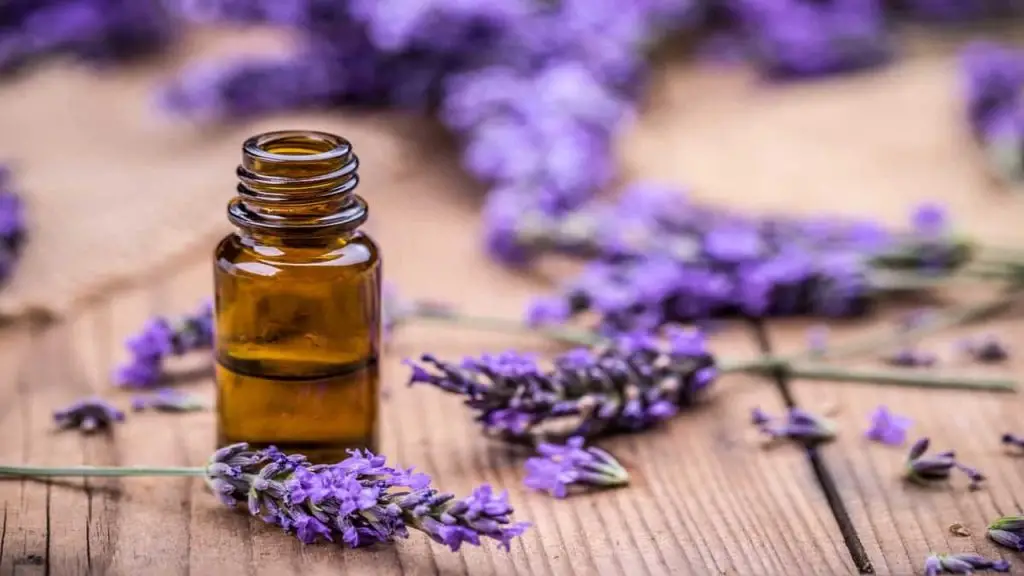
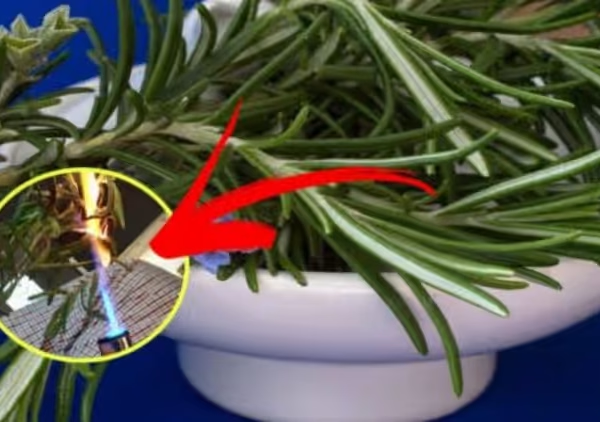
Embark on this DIY journey armed with a 12 L distiller, a gas or electric stove, water, and aromatic plants such as mint, lavender, thyme, rosemary, savory, and sage – known for their potent essential oils. About 2 kg of freshly harvested plants during their balsamic period, when active compounds are at their peak, is all you need.
The go-to technique for oil extraction is steam distillation, a method using steam to separate substances with distinct boiling points. Boil water to generate steam, which then travels through plant matter in a still, carrying away aromatic molecules from plant cells.
The lightweight, volatile molecules flow through a condenser, returning to a liquid state. Essential oils, being lighter than water, naturally float to the top, forming micro droplets that encapsulate the unique aroma of the distilled plant.
Post-distillation, you’re left with pure essential oil and aromatic water, or hydrosol, which is far from being a mere by-product. Hydrosol proves versatile, finding use as ironing water, facial toner, and even a potent plant antiseptic.
Freshly distilled essential oils may lack immediate fragrance, prompting a maturation period lasting several weeks. During this phase, allow the oil to rest for the ideal aroma to develop.
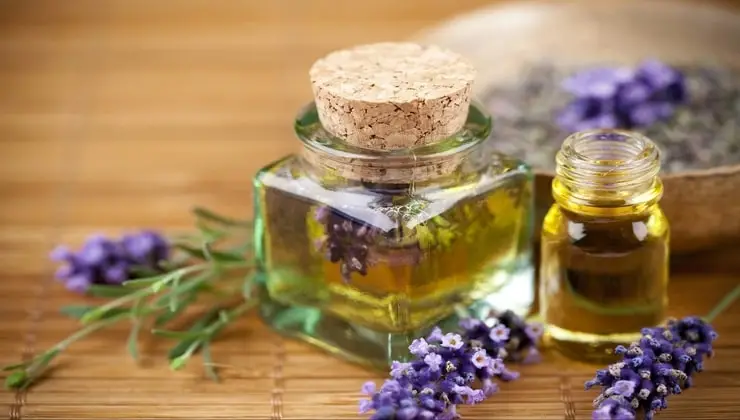
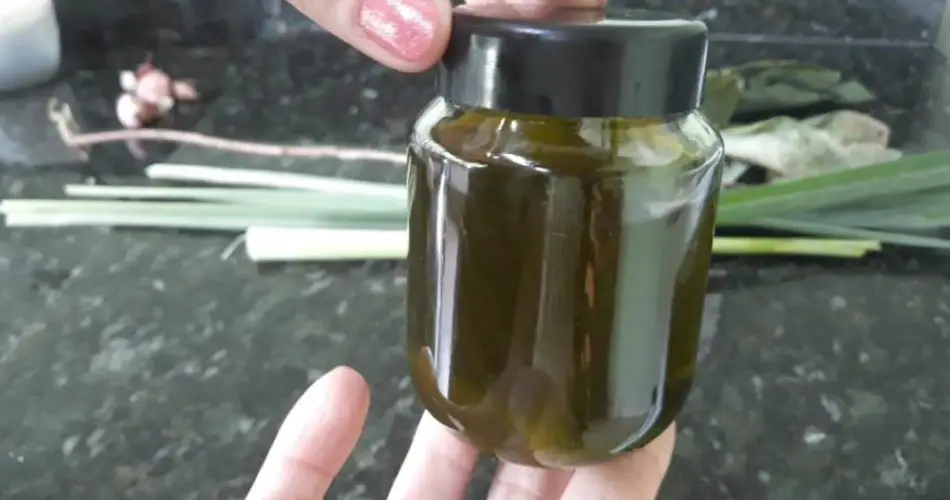
Proper storage is essential for maintaining the integrity of essential oils. Opt for dark glass containers, shielded from direct light and heat, as essential oils are susceptible to rancidity and deterioration. Given their concentration and potential toxicity, use essential oils sparingly in drops, and seek expert advice to ensure safe usage.