Sansevieria, also known as snake plant or mother-in-law’s tongue, is a popular houseplant celebrated for its air-purifying qualities. With various species available, understanding their care and maintenance is essential for thriving plants in your home.
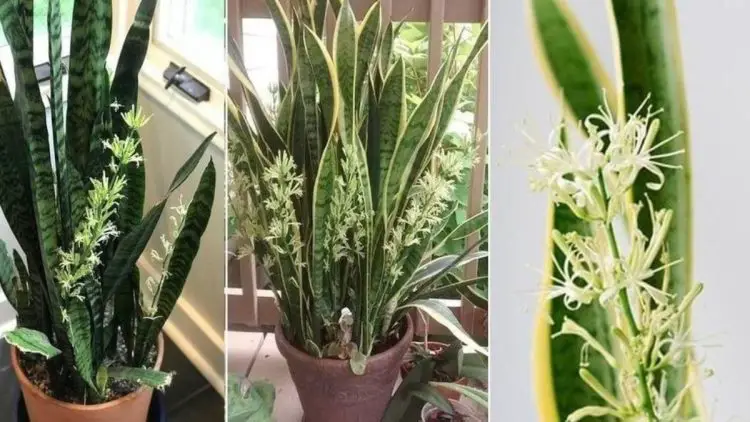
Features of Sansevieria
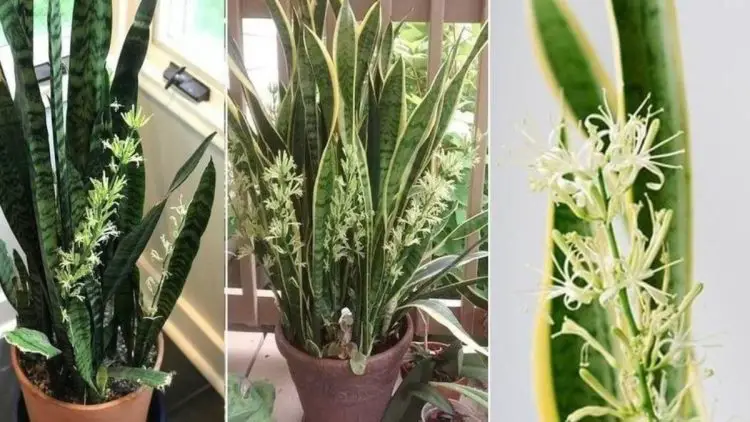
Sansevieria belongs to the Asparagaceae family and is known for its evergreen leaves, which come in different shades of green. These plants are efficient at absorbing pollutants, making them excellent air purifiers. While some species produce small flowers in autumn and winter, their primary appeal lies in their low-maintenance nature and oxygen production, operating 24/7.
Popular Species and Varieties
Numerous species exist, but a few stand out for indoor cultivation:
- Sansevieria Trifasciata: Known for its narrow, dark and light green leaves with yellow edges (variety Laurentii).
- Sansevieria Cylindrica: Features long, tubular leaves and small pink flowers, thriving in warm, bright areas but avoiding direct sunlight.
- Sansevieria Hahnii: A compact variety with rosette-shaped leaves, perfect for small spaces and needs ample light for flowering.
- Sansevieria Moonshine: Distinct for its light green leaves, resembling the moon’s surface.
Culture and Maintenance
Sansevieria is easy to maintain, requiring minimal attention. To ensure optimal growth:
Potting Soil
Use a mix of clay or clay pieces at the bottom of the pot with universal potting soil to promote drainage. Adding liquid fertilizer can help if the soil appears dry.
Repotting
Repot in spring when roots outgrow their container. If necessary, simply replace the top few centimeters of soil rather than repotting each year.
Light and Temperature
Sansevieria prefers bright, indirect light and thrives in temperatures between 18°C and 27°C. Protect it from cold drafts and avoid exposing it to temperatures below 3°C.
Watering
Water sansevieria only when the soil is completely dry, which can be every few weeks or once a month in winter. Overwatering can lead to root rot, so ensure proper drainage and avoid misting the leaves.
Pruning
Sansevieria doesn’t require regular pruning. Remove any dry leaves or diseased parts to prevent potential infections.
Reproduction
Sansevieria can be propagated through leaf cuttings. In summer, cut leaves into sections, allow them to dry, then plant in moist soil, keeping at a temperature around 21°C for rooting.
Diseases and Pests
While generally hardy, watch for pests like cottony cochineal. Remove them with an alcohol-soaked cotton pad. If brown spots appear at the base of leaves, it may indicate overwatering; cut off any rotted sections and let them dry before repotting. Adjust light exposure if leaf colors fade.
By following these care tips, your Sansevieria will thrive, enhancing your home with its beauty and air-purifying abilities!