Growing tomatoes can be a rewarding and delicious endeavor, whether you’re tending to a garden or cultivating a small indoor garden. If you’re looking to maximize your harvest and ensure your tomato plants thrive, there are several crucial steps you can follow. Here’s how you can increase your tomato yield and ensure your plants are healthy, strong, and abundant with fruit.

1. Choose the Right Tomato Variety
The first step in growing tomatoes is selecting the right variety for your growing conditions. Tomatoes come in countless varieties, each with unique needs and characteristics. Some types, like cherry or grape tomatoes, are better suited to containers or smaller spaces, while others, like beefsteak or Roma, thrive in the garden. When choosing a variety, consider the following:
- Growing Space: If you’re limited to a small area, choose compact, bush-like varieties such as determinate tomatoes, which grow to a certain size and then stop, making them ideal for containers or smaller gardens.
- Climate: Choose a variety that suits your local climate. Indeterminate varieties, for example, continue growing and producing fruit all season, but they may require more care in cooler climates.
- Purpose: Think about how you’ll use the tomatoes. Smaller varieties are perfect for salads or snacking, while larger ones are better for cooking or making sauces.
2. Prepare the Container or Planting Site
If you’re growing tomatoes in a container, it’s essential to choose one that’s large enough to accommodate the plant’s root system. Tomatoes have deep roots, so a container should be at least 12 inches deep to give them room to grow. Containers with drainage holes are a must to ensure proper water flow, preventing the roots from sitting in stagnant water, which can lead to root rot.
For garden planting, ensure your soil is well-draining and rich in nutrients. A soil mixture of potting soil and compost can provide a fertile growing medium for your plants. Avoid using regular garden soil, as it may not have the right texture or nutrients to support healthy tomato growth.
3. Create the Ideal Growing Environment: DIY Greenhouse
Once you’ve chosen your variety and prepared the planting site, the next step is to help your tomato plants grow strong and robust. Tomatoes need warmth, sunlight, and protection to flourish, so setting up a mini greenhouse can significantly enhance their growth.
You can create a simple greenhouse effect by using a plastic bottle or other clear plastic material. Cut the bottle in half and place the top part over the plant, creating a dome-like structure. This will help maintain warmth, protect the plant from drafts, and create a stable environment for the plant to thrive. As the plant grows, remove the bottle gradually to avoid suffocating it.
4. Use Homemade Fertilizer to Boost Growth
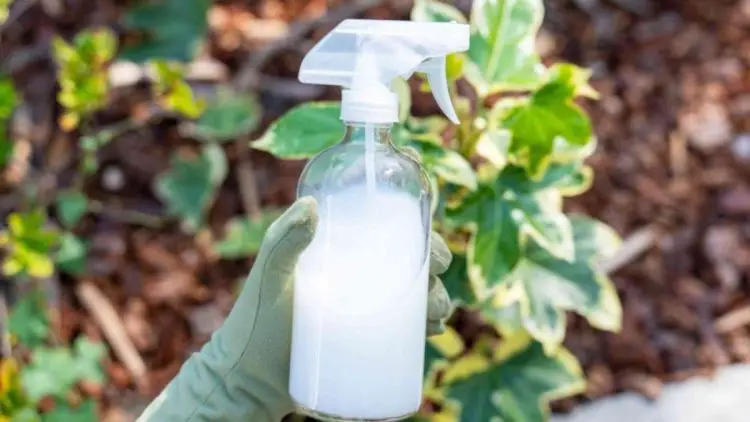
Fertilizing your tomato plants is crucial for encouraging vigorous growth and a bountiful harvest. You don’t need to rely on expensive commercial fertilizers; in fact, a homemade fertilizer can work wonders and is often just as effective. Here’s an easy recipe for a homemade tomato fertilizer:
Homemade Tomato Fertilizer Mixture
Ingredients:
- 10 grams of dry yeast powder
- 100 ml of milk
- 1 tablespoon of sugar
- 1 liter of water
Why these ingredients work:
- Yeast: The yeast in this mixture promotes natural plant growth by increasing the levels of beneficial microbes in the soil, which helps break down nutrients and make them more available to the plant.
- Milk: Milk is an excellent source of calcium, which helps prevent blossom-end rot and supports healthy cell wall development in the plant. Additionally, milk has natural antibacterial properties that protect the plant from harmful diseases.
- Sugar: Sugar acts as a natural repellent for pests like aphids and whiteflies, which can damage your tomatoes. It also encourages strong, healthy growth by boosting energy in the plant.
To prepare the fertilizer, simply mix all the ingredients together in a large jug and add water. Stir the mixture until it’s fully dissolved, then use it to water your seedlings. Apply this solution every 1-2 weeks for the best results.
5. Watering and Pruning for Maximum Tomato Yield
Proper watering is key to ensuring your tomato plants produce a good crop. Tomatoes thrive in moist, but not soggy soil. Overwatering can lead to root rot, while underwatering can stress the plant and hinder fruit development.
Check the soil’s moisture by sticking your finger into the ground. If the soil feels dry, it’s time to water. Tomatoes generally require 1 to 1.5 inches of water per week. Water deeply, so the moisture reaches the roots, but always ensure there is good drainage to avoid waterlogging.
Additionally, pruning your tomato plants will encourage stronger growth and more fruit. Remove any suckers (small shoots that grow between the main stem and branches) to direct energy to the main plant. Regular pruning helps the plant focus its energy on producing fruit rather than excessive foliage.
6. Support Your Plants: Use Stakes or Cages
As your tomato plants grow taller, they’ll need support to keep the branches from breaking under the weight of the fruit. Use stakes, tomato cages, or trellises to provide support. Not only will this help keep the plant upright, but it will also improve air circulation around the plant, reducing the risk of diseases like blight.
7. Harvesting Your Tomatoes
Once your tomatoes begin to ripen, harvest them promptly. Allowing tomatoes to stay on the plant too long can cause them to crack or attract pests. To get the most out of your plants, try harvesting in the morning, when the tomatoes are cool, to preserve their freshness and flavor.
Final Thoughts: Patience and Care for a Bountiful Harvest
Growing tomatoes successfully requires a bit of care, but with the right steps and techniques, you can enjoy a bountiful harvest from just one plant. By choosing the right variety, creating a protective environment, using natural fertilizers, and providing proper care, your tomato plants will reward you with an abundant supply of delicious, homegrown fruit.
Whether you’re growing tomatoes in a small container on your balcony or in a larger garden bed, these simple yet effective tips will ensure your plants thrive and produce plump, flavorful tomatoes for months to come. Happy gardening!