Mold on potting soil is a common problem for indoor gardeners. If left untreated, it can spread to the plant and cause damage, and some types of mold can even be harmful to your health. Fortunately, mold can be controlled and prevented with the right approach. Here are some practical tips to help you recognize, treat, and prevent mold on your houseplants’ soil.
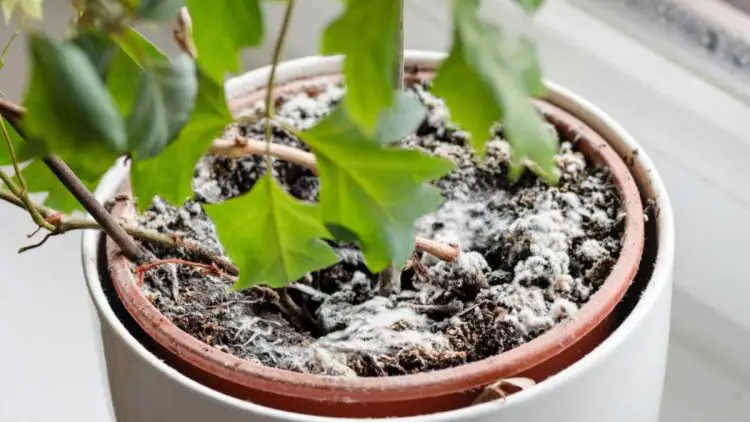
1. Recognize Mold on Potting Soil
Not all white layers on potting soil are mold. Limestone deposits from hard tap water can appear on the soil’s surface when water evaporates, but these are usually hard and friable. These deposits are purely aesthetic and can be scraped off with a spoon.
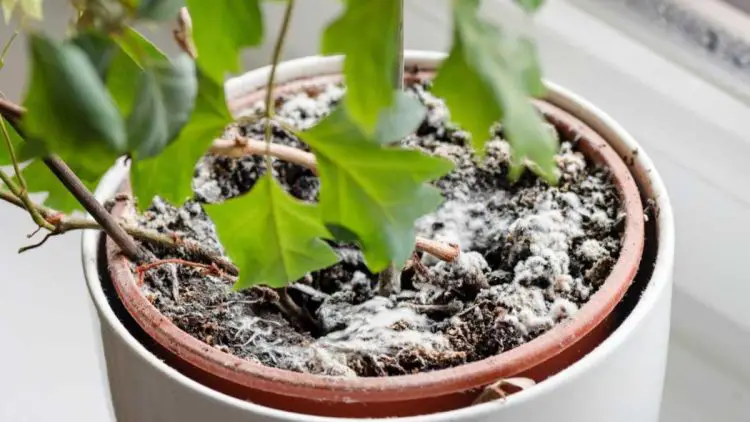
However, if the layer is soft and hairy, it’s mold. Mold tends to burrow into the soil, with an invisible mycelium spreading deeper, so simply scraping off the top layer won’t suffice. If you suspect mold, check for the characteristic appearance and texture.
2. Fight Mold with Household Remedies
If your soil is heavily infested with mold, it’s time to repot the plant. Follow these steps to prevent mold from spreading:
- Move the plant outside to avoid mold spores contaminating the indoor air.
- Gently remove most of the root ball, leaving a little intact. Discard the moldy soil either in the compost or trash.
- Clean the pot with rubbing alcohol or vinegar to disinfect it. For terracotta pots, you can heat them in the oven at 200°C for 20 minutes to kill any mold spores.
- Repot the plant in fresh, clean soil. During colder months, trim the roots slightly with clean scissors to prevent the spread of mold.
3. Take Precautions Against Mold
Mold thrives in moist conditions, so it’s important to adjust your watering habits and potting practices:
- Check soil moisture before watering. If the top layer is still damp, wait before watering again. Overwatering, especially in winter, is a common cause of mold growth.
- Always use flower pots with a drainage hole and a saucer to collect excess water. To prevent soil from washing out, you can cover the hole with a coffee filter or cloth.
- For plants that need minimal water, water through the saucer, allowing the soil to gradually absorb moisture without becoming too wet.
- Add a drainage layer of expanded clay at the bottom of the pot to ensure excess water can escape, preventing waterlogging.
- Repot plants regularly. Over time, potting soil can become compacted, reducing drainage and leading to water buildup.
- Sprinkling bird grit on the soil surface helps with water evaporation, which can help prevent mold growth.
4. Avoid Harmful Measures
While there are plenty of DIY mold remedies online, some can actually harm your plants. Avoid these common mistakes:
- Sprinkling bird sand directly on mold won’t stop it from growing beneath the surface.
- When repotting, be careful not to damage the roots. There’s no need to remove all the old potting soil—doing so can make future repotting difficult.
- Avoid adding fungicides to your watering routine. These chemicals may kill the mold, but they can also harm your plants.
- Don’t rub the roots with rubbing alcohol or vinegar, as these substances can be more damaging than the mold itself.
Conclusion
By following these simple tips, you’ll be able to effectively combat mold on your potting soil and keep your houseplants healthy. Prevention is key, so be mindful of watering habits, soil quality, and pot maintenance. With a little care, your plants will thrive without the risk of mold taking over!