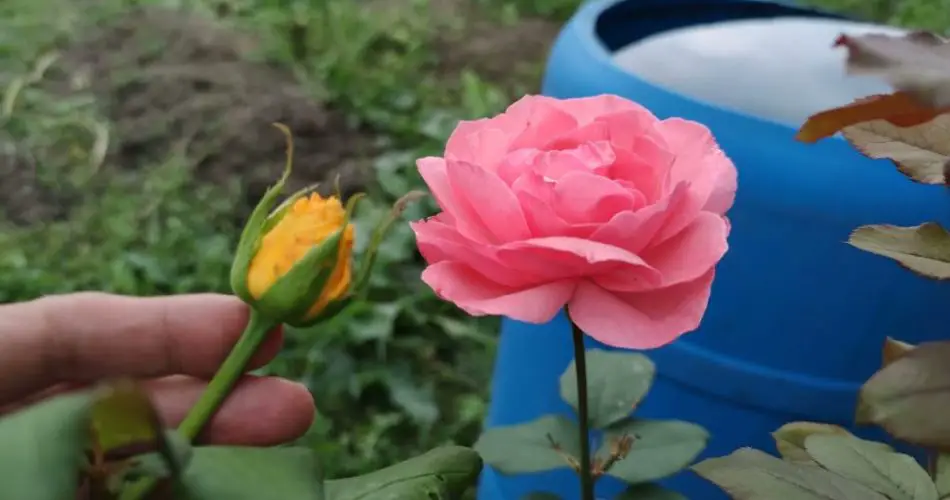
Delving into the world of grafting roses may seem like a task reserved for the experts, but the truth is that with a dash of know-how, anyone can master this technique. Join us on a journey as we unravel the steps of grafting a rose with a different variety, offering a chance to cultivate a garden filled with the diverse charm of blooming roses, all without the need for extra purchases or wasted time.
Handpicking the Ideal Rootstock:
The key to a successful rose graft lies in the art of selecting the perfect rootstock. For those new to the process, experts recommend the pairing of a resilient dog rose with the delicate multiflora rose. The robust roots of the dog rose thrive in various soil conditions, while the shallow roots of the multiflora rose lend themselves perfectly to this unique grafting method.
Harvesting Your Rootstock:
To cultivate your rootstock, sow the seeds of both rose varieties or nurture cuttings. In the winter, carefully select two branches measuring around twenty centimeters in length. Plant these branches in the summer, and in no time, you’ll witness the blossoming of your very own seedling.
Essential Tools and Optimal Conditions:
Before commencing the grafting process, gather the necessary tools, including sanitized scissors and ligature materials. It’s essential to ensure that the outdoor temperature is a comfortable 25 degrees Celsius before embarking on this horticultural adventure.

Demystifying the Grafting Process:
- Begin by executing a precise perpendicular cut on the branches using the necessary tools. Before this, take a moment to remove leaves and thorns for optimal grafting conditions.
- Affix the cut portion to the rootstock, securing it in place with raffia or a lightweight material to cover the incision.
- After a month, reveal the fruits of your labor by gently removing the covering material, allowing you to inspect the progress of rooting.
Continual Oversight and Sculpting:
- In February, delicately trim the rootstock at the graft point.
- As spring emerges, observe the initial shoot, patiently waiting for it to reach a length of fifteen centimeters.
- Trim the shoot with care, and eliminate any exuberant growth surrounding the structure.
Tapping into Expert Advice:
Always seek the counsel of a seasoned nurseryman, recognizing that not all roses are created equal when it comes to successful grafting.
Embark on this distinctive journey, creating a harmonious symphony of roses that showcase the captivating allure of diverse varieties. Grafting roses, despite its initial intricacies, promises a gratifying experience as you witness the kaleidoscope of blooms unfolding in your very own garden.


