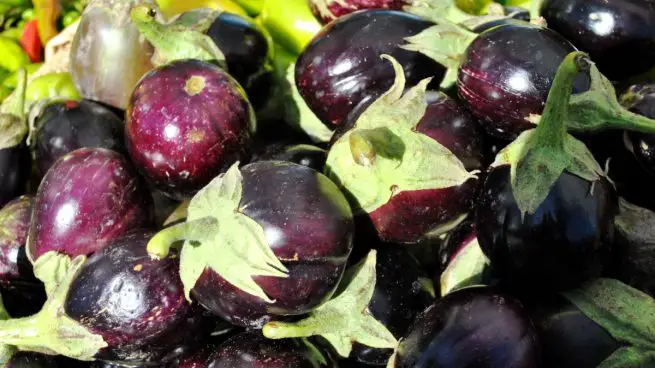
Unlock the secrets of successful eggplant cultivation with this guide, where simplicity and gardening wisdom intertwine to create a unique and bountiful harvest. Growing eggplants becomes an art form, promising not just homegrown produce but a delightful culinary journey. Let’s explore the nuances of cultivating these versatile vegetables.
Embarking on the Eggplant Odyssey:
Meet Solanum melongena, the botanical virtuoso from the Solanaceae family, originally hailing from India. This annual herbaceous wonder stands at 0.7-1 m, boasting erect branches adorned with a fusion of hair and thorns. Oval leaves (15-25 cm) and solitary or clustered flowers set the stage for self-fertilization, paving the way for the coveted edible fruit.
A Kaleidoscope of Varieties:
Eggplants present a captivating spectrum of shapes, sizes, and colors, making the cultivation journey all the more exciting. From elongated wonders like Long Black to the charming Violeta de Barbentane and the deep allure of Black Beauty, these varieties, rich in water content (93%), not only elevate your culinary experiences but also contribute to a healthy diet.
Cultivation Choreography:
- Sunlit Serenade: Eggplants, like sun worshipers, thrive on sunlight, requiring 10-12 hours daily for optimal growth. Bathed in radiant light, they unfurl their full potential.
- Temperature Tango: Resilient to higher temperatures, eggplants endure up to 40-45ºC, with the sweet spot between 23-25ºC. Shield them from chilly spells to ensure an environment conducive to robust growth.
- Humidity Ballet: Strike a delicate balance in humidity, avoiding extremes to prevent flowering issues, deformed fruits, or stunted growth. Moderate humidity fosters a healthy and fruitful plant.
- Soil Sonata: Unfussy about soil, eggplants prefer loamy and deep terrain. Root systems shun clay soils, while acidic environments hinder growth. Aim for a pH between 6-7, extending to 7-8.5 in sandy soils for an optimal growing experience.
- Germination Prelude: Initiate your eggplant journey in March by sowing seeds in warm trays. After a month in the tray, nurture the seedlings in a sheltered spot with a minimum temperature of 16ºC.
- Planting Rhythms: Transplant when frost risks dissipate, maintaining 60 cm spacing between plants in rows. Settle them in warm soil for robust growth.
- Fertilization Crescendo: Energize your eggplants with a starter fertilizer during transplanting, supplementing with nitrogen halfway through growth. A post-harvest boost ensures sustained vitality.
- Pruning Pas de Deux: Prune judiciously during hilling, removing lower leaves and suckers. Four-branch pruning demands one stem per main branch, maintaining vitality and balance.
- Pest Vigil: Shield your eggplants from potential threats like aphids, potato beetles, and red spiders. Regular checks and preventive measures ensure a thriving, pest-resistant garden.
- Harvesting Finale: Wait for the eggplant’s lustrous appearance, indicating readiness. Harvest young eggplants by gently pressing; a resilient bounce signals ripeness. Shiny and plump, they’re ready to grace your culinary creations.
Embark on this artistic journey of eggplant cultivation, where simplicity intertwines with wisdom, promising a harvest as unique as your garden. Happy planting!


