Cultivating Greenery in Your Countryside: A Guide to Growing Aglaonema and Bananas
Planting trees not only adds to the aesthetic beauty of the countryside but also contributes to the overall environmental health. In this guide, we will explore how to cultivate two distinct yet complementary plants – Aglaonema, a popular indoor plant known for its vibrant foliage, and bananas, a tropical fruit that thrives in warmer climates. By combining these two in your countryside garden, you can create a harmonious and visually appealing landscape.
- Choosing the Right Location: Before planting any trees, it’s essential to select an appropriate location. Aglaonema prefers indirect sunlight, making it an excellent choice for shaded areas or corners of your garden with filtered light. Bananas, on the other hand, thrive in full sunlight. Designate a sunny spot for your banana plants to ensure optimal growth.
- Soil Preparation: Both Aglaonema and bananas prefer well-draining soil. Amend your garden soil with organic matter, such as compost or well-rotted manure, to enhance its fertility and drainage capabilities. A slightly acidic to neutral pH range is ideal for both plants.
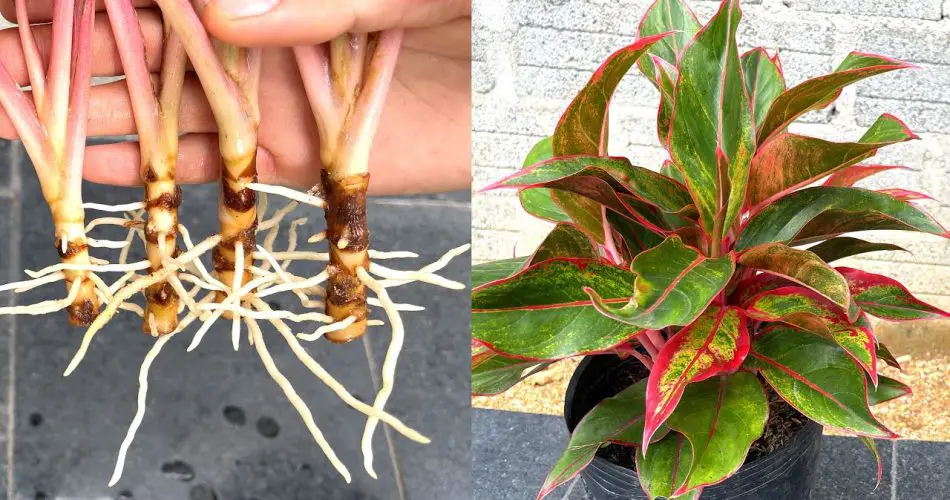
- Planting Aglaonema: Aglaonema is well-suited for container gardening or as an indoor plant. Choose a pot with drainage holes and fill it with a well-draining potting mix. Place the Aglaonema in the selected location, ensuring it receives indirect sunlight. Water the plant when the top inch of soil feels dry to the touch.
- Planting Bananas: Plant banana trees in the sunny part of your garden, spacing them according to their specific variety. Ensure that the soil is consistently moist but not waterlogged. Mulch around the base of the banana plants to retain moisture and suppress weeds. Fertilize regularly with a balanced, all-purpose fertilizer to promote healthy growth.
- Companion Planting Benefits: Aglaonema and bananas make excellent companions in a garden setting. The vibrant and varied foliage of Aglaonema provides a stunning backdrop to the taller and more substantial banana plants. Additionally, the shade provided by Aglaonema can help protect the banana plants from excessive sunlight, creating a symbiotic relationship between the two.
- Maintenance: Regular maintenance is crucial for both Aglaonema and banana plants. Prune Aglaonema to maintain its shape and remove any damaged or yellowing leaves. For banana plants, remove dead leaves and regularly inspect for pests. Water both plants consistently and adjust watering frequency based on the specific needs of each.
- Harvesting Bananas: Patience is key when growing bananas, as it can take several months for the fruit to mature. Once the bananas are fully grown, harvest them when they are plump and have a yellow color. Remove the entire bunch and cut the stem close to the fruit cluster.
In conclusion, cultivating Aglaonema and bananas in the countryside can create a dynamic and visually appealing garden. By understanding the unique needs of each plant and strategically placing them in your landscape, you can enjoy the benefits of both ornamental foliage and delicious fruit. Happy planting!