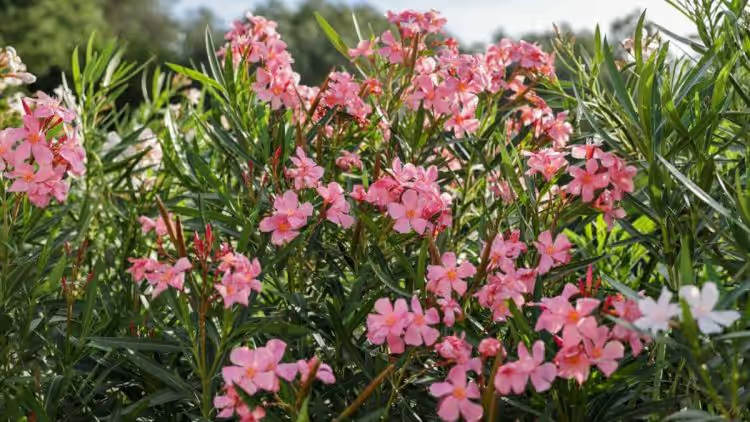
Is your oleander not blooming as it should? While these beautiful plants are known for their vibrant flowers, they require proper care to thrive. If your oleander isn’t flowering, don’t worry—simple home remedies and some adjustments can help bring it into full bloom. Here’s how to ensure your oleander flourishes and produces those stunning flowers.
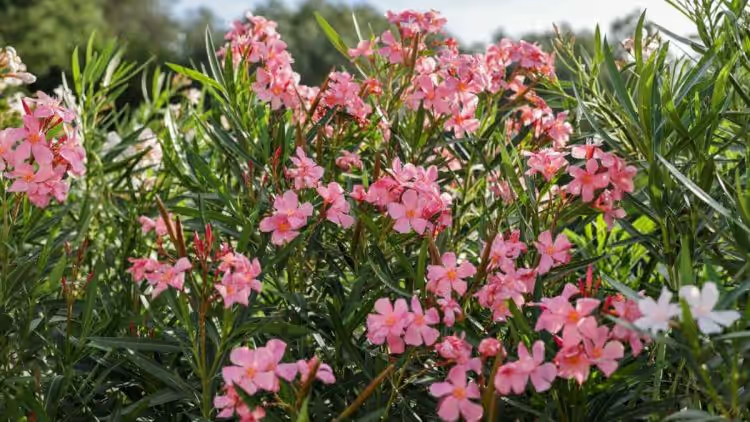
Why Is My Oleander Not Blooming?
Oleanders are beautiful flowering plants, but there are a few reasons they might not bloom. Nerium Oleander, the scientific name for oleander, requires ample sunlight, water, and nutrients to thrive. If it’s not blooming, some common causes could be:
- Poor location: Oleanders need plenty of sunlight and warmth.
- Incorrect care: Inadequate watering or lack of proper fertilization.
- Pest infestations: Aphids and mites can damage the plant and prevent flowering.
- Improper wintering: Winter damage can cause the plant to miss its flowering season.
Natural Remedies to Help Your Oleander Bloom
Instead of using chemical fertilizers, you can use kitchen waste as a natural fertilizer to boost the health of your oleander and help it bloom. Here are some effective remedies:
1. Coffee Grounds or Black Tea
Coffee grounds contain essential minerals like potassium, phosphorus, and nitrogen, all of which support flower growth.
- How to use:
- Collect leftover coffee grounds, spread them on a cloth, and air-dry to prevent mold.
- Add the dry grounds to the root zone or mix them with water for a liquid fertilizer.
Black tea also works well as a fertilizer, as it’s rich in minerals. Just remember not to overuse it, as both coffee and tea can make the soil slightly acidic. A weekly application should suffice.
2. Eggshells
Eggshells are a great source of limestone, which is beneficial for oleanders.
- How to use:
- Crush eggshells and mix them into the soil.
- Water the plant with tap water afterward to ensure the nutrients are absorbed.
How to Combat Pests in Oleanders
Pests, particularly aphids and mites, can prevent oleanders from flowering. These pests are often visible to the naked eye, so inspect your plant regularly.
- For aphids: Wipe them off using a cloth soaked in soapy water. If the infestation is severe, spray the plant with a soapy water solution.
- For mites: A rapeseed oil or neem oil spray can help. This oil coats the pests, making it hard for them to cling to the leaves.
Essential Care Tips for a Thriving Oleander
To ensure your oleander blooms beautifully, here are some essential care tips:
1. Proper Location
Oleanders need sun and warmth to thrive. They should be placed in a location with plenty of sunlight and little to no drafts. A spot in front of a house wall is ideal. Double-flowered varieties should be sheltered from rain by a roof. If the summer is too cool (below 18°C), it can also prevent blooming, so a warm summer next year may be needed for a healthy flower display.
2. Proper Care and Watering
- Watering: Oleanders need regular watering, but avoid stagnant moisture. Use hard tap water rather than rainwater, which can sometimes be too soft.
- Fertilizing: Fertilize your oleander once a week during the growing season (spring to summer). For potted plants, start fertilizing when they’re put outside after winter. Stop fertilizing in late summer (around August) to prepare the plant for the cooler months.
3. Winter Care
Oleanders are not frost-resistant and can be damaged if exposed to freezing temperatures. Before winter, move your plant to a bright, well-ventilated area indoors. Keep it at temperatures between 2-10°C to ensure it remains healthy.
Conclusion
With the right care, your oleander will be back to blooming in no time. Use these simple home remedies, ensure the plant is in a good location, and keep pests at bay for a vibrant, flourishing oleander. Happy gardening!