As winter approaches, your garden enters a state of rest, but it still requires special care. Preparing your garden properly can prevent damage and ensure that your perennials thrive come spring. Here are the 10 most common mistakes to avoid during winter gardening.
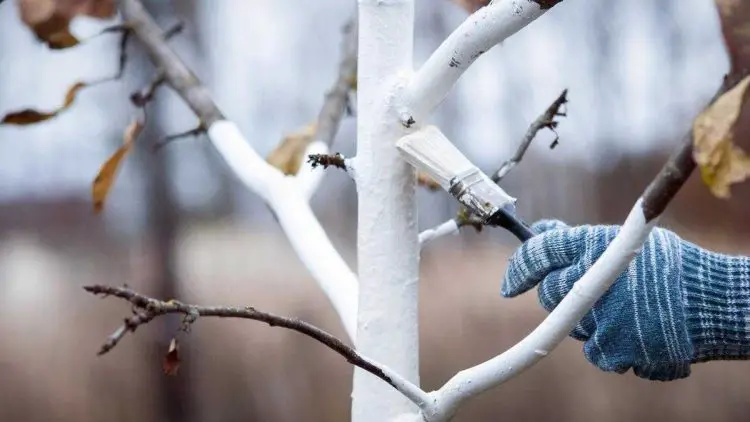
1. Failing to Protect Sensitive Trees
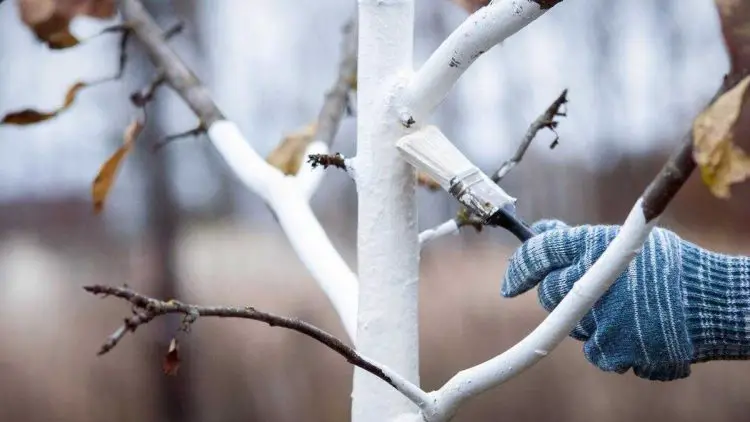
When the sun shines on sub-zero days, the risk of frost damage increases. The side of the trunk facing the sun heats up, while the opposite side remains frozen, causing tension that can crack the bark. These wounds can invite pests and fungi, especially in young trees.
2. Neglecting to Water Garden Plants
Many gardeners stop watering completely in winter, but evergreen plants still need moisture. When the sun shines, water can evaporate, and if the soil is frozen, roots cannot absorb water. Be sure to water your plants when the soil thaws, especially before prolonged frost.
3. Walking on the Lawn
Avoid walking on your lawn during frost, snow, or ice. This can compact the snow and deprive the lawn of air, leading to typhoid rot. Frozen grass can break underfoot, resulting in brown patches.
4. Insufficient Light for Container Plants
Container plants like oleanders and citrus need light during winter. If they are indoors, make sure they are placed in a spot that receives adequate light, avoiding overly dark areas.
5. Over-wrapping for Frost Protection
While it’s important to wrap plants for frost protection, be cautious as spring approaches. On warmer days, remove the wrapping to prevent sweating, which can cause plants to bud too early. Ensure that the protection material allows light and air to circulate.
6. Unprotected Compost Pile
To help your compost pile decompose faster in winter, cover it with cardboard, old carpets, or bags of straw. This helps retain heat and speeds up the decomposition process.
7. Ignoring Heavy Snow Accumulation
Heavy snow can break branches on your hedges and trees. If you notice branches bending under the weight of snow thicker than ten centimeters, carefully remove the snow to prevent damage.
8. Overusing Salt
Avoid spreading road salt on garden paths, as it can harm flowerbeds, trees, and hedges if it seeps into the soil. Instead, consider safer alternatives for managing ice.
9. Allowing the Garden Pond to Freeze Completely
Keep your garden pond partially frost-free to allow decomposition gases to escape. These gases can harm fish. Remove dead plants in the autumn and consider using a polystyrene sheet or a piece of wood to prevent complete freezing.
10. Storing Plant Protection Products Too Cold
Frost can render plant protection products ineffective. Store them in a warm area to maintain their consistency. If a product’s texture changes during winter, it’s best not to use it.
By following these winter gardening tips, you’ll not only save yourself time and effort but also avoid the expense of replacing dead plants in the spring!