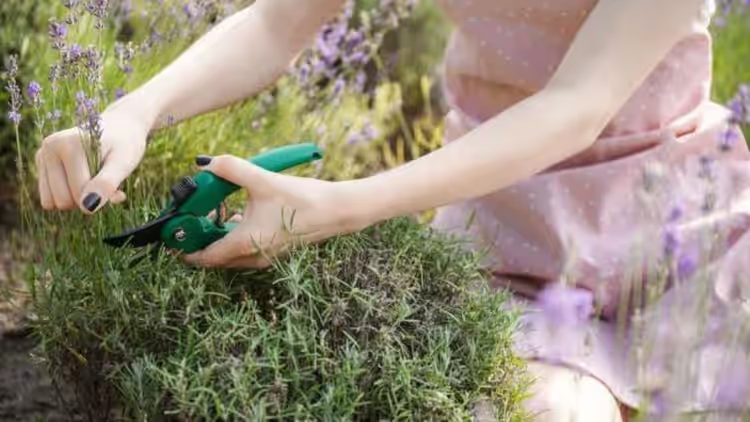
Lavender is a Mediterranean plant beloved for its fragrant purple flowers and calming properties. However, to keep it thriving and prevent long-term damage, pruning is essential. Neglecting this task can lead to a host of problems, from reduced flowering to stunted growth. Here’s how to prune lavender effectively to keep your plants vibrant and healthy.
Why Pruning Lavender is Crucial

If lavender isn’t pruned regularly, the plant begins to suffer in several ways. Here are some of the consequences of skipping pruning:
- Gradually becomes woody, losing its lush appearance.
- Grows increasingly stunted at the base, leaving it bare.
- Produces fewer flowers, impacting its ornamental value.
- Visually disintegrates as stems weaken under the weight of flowers.
- Develops an irregular shape.
- Becomes more susceptible to diseases and pests.
The Best Time to Prune Lavender
Timing is everything when it comes to pruning lavender. This plant is sensitive to frost, so avoid pruning it in autumn or early spring, as frost can damage the new growth.
- Spring Pruning:
Prune lavender between mid-March and early May, before it starts regrowing. This is the ideal time to shape the plant and remove dead or weak stems. - Summer Pruning:
After the first flowering phase, usually in mid to late summer, cut off the faded flower spikes. This encourages the plant to produce new blooms and prevents it from becoming woody.
How to Prune Lavender
To keep your lavender healthy and bushy, follow these steps:
- Prune Twice a Year:
- First Pruning: In spring, cut back lavender by about a third to shape it and remove old growth.
- Second Pruning: In summer, trim off the faded flower spikes to maintain its appearance and promote new blooms.
- Use the Right Tools:
A hedge trimmer or sharp pruning shears work well for this task. Ensure your tools are clean to avoid spreading diseases. - Avoid Cutting Too Low:
Never cut into the woody part of the plant, as lavender struggles to regrow from old wood. Always leave some green shoots above the first branch.
Dealing with Woody Lavender
If your lavender has already become heavily woody due to neglected pruning, it may require a more radical approach:
- Radical Pruning: Cut back the shoots by two-thirds, but ensure you leave some green growth above the first branch.
- Be patient: Lavender can take several months to recover from heavy pruning, but with proper care, it will rejuvenate.
Key Takeaways for Lavender Care
- Regular pruning keeps lavender from becoming woody and ensures abundant flowering.
- Prune once in spring for shaping and once in summer after the first bloom.
- Avoid cutting into old wood, as this can harm the plant.
- If pruning has been skipped, a radical cut can help revive the plant, but it requires care and patience.
By making pruning a regular part of your lavender care routine, you’ll enjoy a healthier, more vibrant plant that blooms beautifully year after year. Lavender may be a low-maintenance plant, but it rewards the effort of pruning with its stunning appearance and delightful fragrance.


