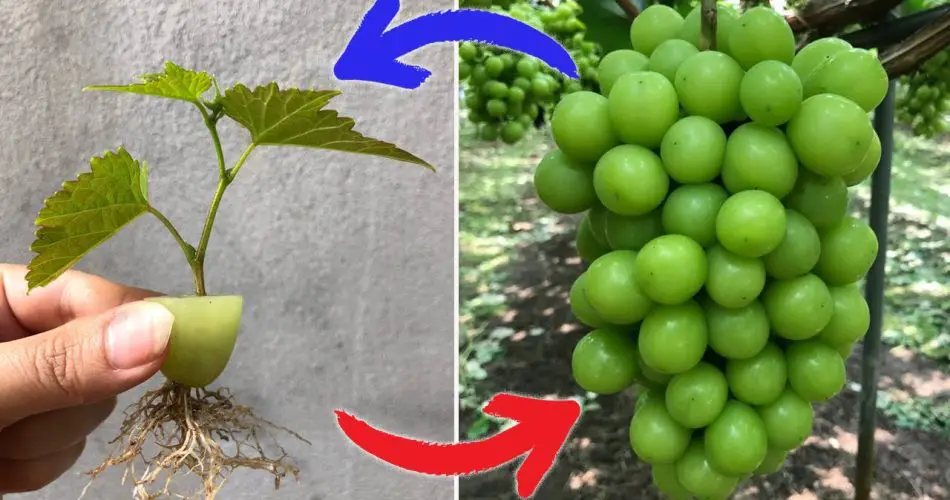
When it comes to grape propagation, many gardeners rely on traditional methods like cuttings, grafting, or seeds. However, I recently discovered a method that left me astonished by its effectiveness and simplicity. I was surprised to propagate grapes using a technique that isn’t widely known but offers impressive results.
The Conventional Methods
Typically, grape propagation involves:
- Cuttings: Taking stem cuttings from a mature grapevine and encouraging them to root.
- Grafting: Combining parts of two grapevines to create a new plant.
- Seeds: Growing new vines from grape seeds, which can be a lengthy process.
While these methods are effective, they can be labor-intensive and require specific conditions. But recently, I stumbled upon an innovative technique that changed my approach to grape propagation.
The Surprising Method: Greenhouse Propagation with Gel
Greenhouse propagation with gel is a method that leverages rooting gel and a controlled environment to promote grapevine growth. Here’s why this technique is so surprising and effective:
- Rooting Gel: This gel contains rooting hormones that stimulate root development. Using it helps the grape cuttings establish roots more quickly and reliably.
- Controlled Environment: A greenhouse provides an optimal environment for the cuttings, including regulated temperature, humidity, and light levels. This controlled setting reduces the risk of diseases and enhances root formation.
How to Propagate Grapes Using Greenhouse and Gel
- Prepare Your Materials: Gather healthy grape cuttings, rooting gel, and a greenhouse setup. Ensure that the greenhouse is equipped to maintain a stable environment.
- Apply Rooting Gel: Dip the cut ends of the grape cuttings into the rooting gel. This gel will provide essential hormones that encourage rapid root development.
- Plant the Cuttings: Place the gel-coated cuttings into pots filled with a well-draining propagation mix. This mix should be lightweight and designed to retain moisture while allowing excess water to drain away.
- Set Up in the Greenhouse: Arrange the pots in the greenhouse. Maintain a consistent temperature and humidity level to create a favorable environment for rooting. Regularly monitor the conditions and ensure that the cuttings receive adequate light.
- Water and Care: Keep the propagation mix moist but not waterlogged. The rooting gel will help the cuttings establish roots, and the greenhouse environment will support their growth.
- Transplanting: Once the cuttings have developed strong roots, they can be transplanted into larger pots or directly into the garden.
Why This Method Works
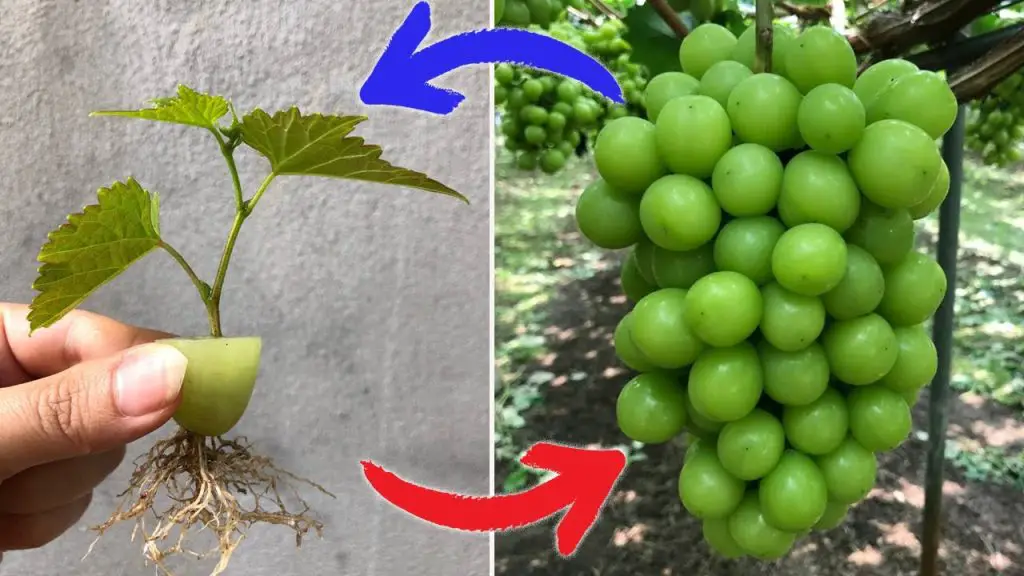
Greenhouse propagation with gel is effective because it combines the benefits of a controlled environment with the enhanced rooting capabilities of the gel. This technique ensures that the grape cuttings have the best possible conditions for developing into healthy, productive vines.
In conclusion, I was genuinely surprised by how effective and efficient greenhouse propagation with gel is for grapevines. This method simplifies the propagation process, reduces the time needed for rooting, and provides a reliable way to grow new grape plants. If you’re looking to expand your grapevine collection or try a new propagation technique, this approach might just be the game-changer you need.