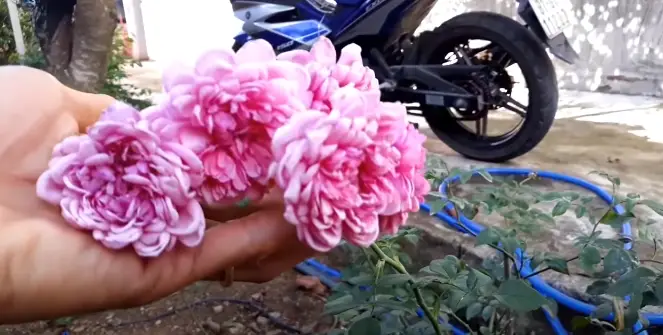
Grafting roses is a rewarding gardening technique that allows you to combine the best qualities of different rose varieties. By grafting, you can create a rose plant that has the beautiful blooms of one variety and the hardiness of another. Follow these steps to graft roses successfully:
Materials Needed:
- Rootstock (the base plant)
- Scion (the desired rose variety)
- Sharp grafting knife or a razor blade
- Grafting tape or rubber bands
- Pruning shears
- Rubbing alcohol
- Parafilm or grafting wax (optional)
Steps for Grafting Roses:
- Choose Your Rootstock and Scion:
- Select a healthy rootstock that is known for its vigorous growth and disease resistance.
- Choose a scion from a rose variety that you wish to propagate, ensuring it has at least two to three buds.
- Prepare Your Tools and Materials:
- Sterilize your grafting knife, pruning shears, and other tools with rubbing alcohol to prevent infections.
- Make the Cuts:
- On the Rootstock: Make a clean, diagonal cut about 1-2 inches long on the rootstock stem where you want to graft the scion. This is called the “whip” cut.
- On the Scion: Make a matching diagonal cut on the scion. The cut on the scion should be at the same angle and length as the cut on the rootstock.
- Join the Cuts:
- Place the cut surfaces of the scion and rootstock together, ensuring that the cambium layers (the green tissue just under the bark) of both pieces are in contact. This alignment is crucial for the graft to take.
- Secure the Graft:
- Wrap the graft junction tightly with grafting tape or rubber bands. Ensure the entire cut area is covered to prevent drying out and to keep the pieces securely together.
- If you have parafilm or grafting wax, you can use it to seal the graft site further and protect it from moisture loss and infection.
- Care for the Grafted Plant:
- Place the grafted rose in a location with indirect sunlight and protect it from extreme weather conditions.
- Water the plant regularly, keeping the soil moist but not waterlogged.
- Monitor the graft for signs of growth and healing over the next few weeks.
- Post-Grafting Care:
- Once the graft has taken (usually after a few weeks), you can gradually expose the plant to more sunlight.
- Remove any shoots that emerge from below the graft union to ensure that all the plant’s energy goes into the grafted scion.
Tips for Successful Grafting:
- Timing: The best time to graft roses is during the early spring when the plant is coming out of dormancy and starting to grow actively.
- Sharp Tools: Always use sharp, clean tools to make precise cuts and avoid damaging the plant tissues.
- Patience: Grafting requires patience and care. It may take a few attempts to master the technique, so don’t get discouraged if your first few grafts don’t succeed.
By following these steps and tips, you can successfully graft roses and enjoy the benefits of creating unique and beautiful rose plants in your garden.
Show Comments


