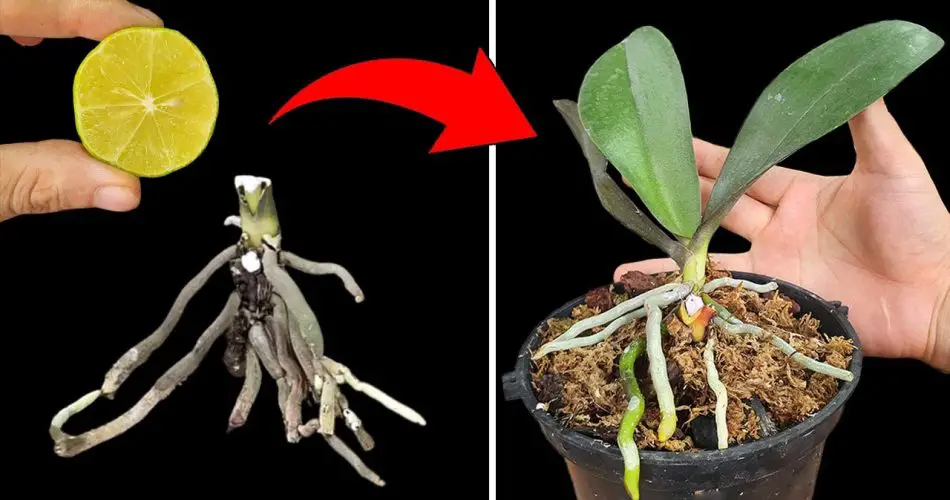
Lemon, often celebrated for its culinary uses and refreshing zest, has emerged as an unlikely hero in plant care. Recent findings suggest that this common fruit can work wonders on rotten orchids and even help revive small trees. The surprising efficacy of lemon in restoring plant health stems from its unique properties, making it a valuable tool for gardeners seeking natural solutions to plant care issues. Here’s how lemon can perform its miracle and the steps to use it effectively.
Why Lemon is a Miracle for Plant Revival
Lemon contains several compounds that contribute to its effectiveness in plant care:
- Citric Acid: The citric acid in lemon acts as a natural antimicrobial agent, which can help combat fungal and bacterial infections that often cause plant rot.
- Vitamin C: Rich in vitamin C, lemon supports plant immune function and aids in healing by promoting healthier plant tissue.
- Antioxidants: Lemon’s antioxidants can help reduce oxidative stress, which can be beneficial for stressed or damaged plants.
How to Use Lemon to Revive Rotten Orchids and Small Trees
Follow these steps to harness the power of lemon for plant revival:
- Prepare Lemon Solution:
- Juice Extraction: Squeeze fresh lemon juice from one or two lemons into a clean container. Strain the juice to remove any pulp or seeds.
- Dilution: Mix the lemon juice with water in a ratio of approximately 1 part lemon juice to 10 parts water. This dilution helps avoid any potential harm from the acidity.
- Apply to Rotten Orchids:
- Assess the Orchid: Identify areas of rot or damage on the orchid. Remove any dead or decaying parts of the plant carefully with sterile scissors.
- Soak the Roots: Soak the orchid roots in the lemon solution for 15-20 minutes. This helps to disinfect and rejuvenate the roots.
- Re-potting: After soaking, re-pot the orchid in fresh, well-draining orchid potting mix to promote recovery and prevent future rot.
- Apply to Small Trees:
- Identify Issues: Check the small trees for signs of stress or disease. Lemon can help if the issues are related to fungal infections or poor health.
- Soil Application: Water the base of the small trees with the lemon solution. Ensure that the solution penetrates the soil around the root zone.
- Foliage Treatment: For trees with visible damage or signs of infection, use a spray bottle to lightly mist the lemon solution onto the leaves and branches. Avoid excessive application to prevent leaf burn.
- Ongoing Care:
- Monitor Health: Regularly check the orchids and small trees for signs of improvement or any adverse reactions. Lemon should assist in recovery but observe how the plants respond.
- Maintain Conditions: Ensure that the plants receive appropriate care, including proper watering, light exposure, and temperature control to support their recovery.
Benefits of Using Lemon
- Natural Treatment: Lemon offers a chemical-free alternative to synthetic fungicides and growth enhancers, making it a sustainable choice for plant care.
- Cost-Effective: Lemons are affordable and readily available, providing an economical solution for plant health issues.
- Versatile Use: Beyond orchids and small trees, lemon can also be used for various other plants that may benefit from its antimicrobial and nutrient-rich properties.
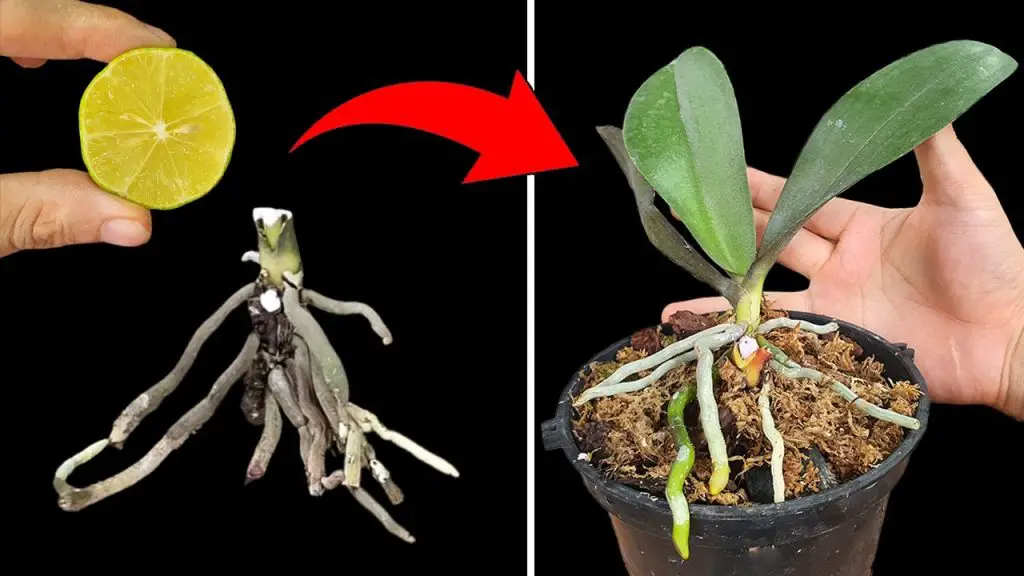
The power of lemon to revive rotten orchids and support the health of small trees showcases its remarkable versatility in plant care. By utilizing the natural compounds found in lemon, gardeners can address plant health issues effectively while adhering to environmentally friendly practices. Implement this natural remedy to experience the miraculous benefits of lemon and ensure your orchids and small trees thrive with renewed vigor and vitality.


