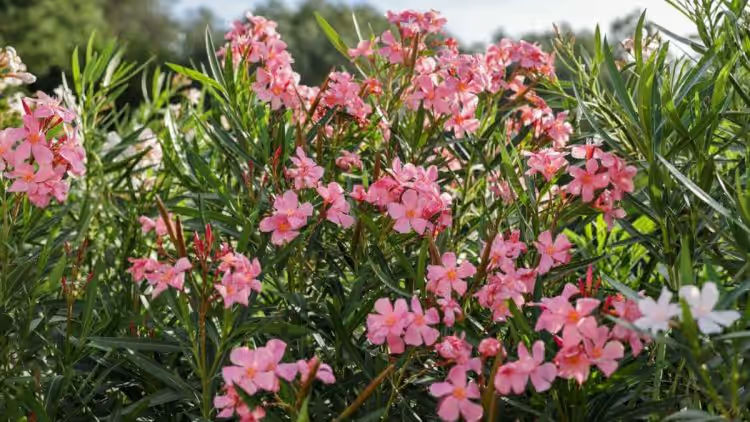
Oleanders are prized for their abundant, vibrant flowers and are a popular feature in Mediterranean landscapes and home gardens alike. However, achieving a full bloom requires proper care, attention, and the right conditions. If your oleander isn’t flowering, don’t worry—simple remedies and care adjustments can make all the difference.

Why Isn’t My Oleander Blooming?
The Nerium oleander thrives when provided with sufficient sunlight, water, and nutrients. If your plant has buds but no flowers or isn’t blooming at all, it may be due to:
- Poor location: Lack of sunlight or exposure to drafts can hinder flower production.
- Improper care: Over-pruning or inadequate watering can stress the plant.
- Pests: Aphids and mites can damage buds and prevent flowers from forming.
- Winter damage: If oleanders are not properly overwintered, they may struggle to bloom the following summer.
Home Remedies to Help Oleanders Bloom
Instead of resorting to chemical fertilizers, try these eco-friendly and effective solutions:
1. Coffee Grounds or Black Tea
- Why it works: Coffee grounds and tea are rich in minerals like nitrogen, potassium, and phosphorus, essential for flower formation.
- How to use it:
- Collect leftover coffee grounds or black tea leaves.
- Let them air-dry on a cloth to prevent mold.
- Incorporate the dried grounds into the soil around the roots or dissolve them in irrigation water.
- Tip: Use sparingly, as excessive coffee or tea can make the soil too acidic. A weekly application is sufficient.
2. Eggshell Fertilizer
- Why it works: Crushed eggshells are a natural source of limestone, which oleanders love.
- How to use it:
- Crush eggshells into small pieces.
- Mix them into the soil and water the plant with tap water to help release nutrients.
3. Soap and Oil Solutions for Pests
- Why it works: Pests like aphids and mites can prevent oleanders from blooming. Natural solutions can help eliminate them.
- How to use it:
- Mix water with liquid soap to create a soapy solution.
- Wipe the pests off the leaves with a cloth or spray the solution directly onto the plant.
- For severe infestations, mix water with rapeseed oil or neem oil and spray under the leaves to prevent pests from thriving.
Key Tips for Oleander Care
To ensure your oleander produces lush, vibrant flowers, follow these essential care tips:
1. Choose the Right Location
- Oleanders thrive in sunny, warm spots with minimal drafts.
- Protect double-flowered varieties from rain, as their delicate blooms may struggle in wet conditions.
- A cool summer (below 18°C) can hinder blooming, so patience may be required until warmer weather returns.
2. Water and Fertilize Properly
- Oleanders need plenty of water, especially during hot months. Use tap water, as they prefer hard water over rainwater.
- Avoid cold water and stagnant moisture, which can harm the plant.
- Start fertilizing weekly from March through August to support growth and blooming.
3. Be Careful When Pruning
- Oleanders bloom on old growth, so avoid cutting off old inflorescences. Instead, remove faded flowers by hand.
- Severe pruning can delay blooming, so proceed with caution.
4. Winter Care
- Oleanders are not frost-resistant. Before temperatures drop, move them to a bright, well-ventilated indoor space with temperatures between 2–10°C.
- Gradually reduce watering during winter, but ensure the soil doesn’t completely dry out.
Combating Pests Naturally
Regularly inspect your oleander for signs of aphids or mites, which are visible to the naked eye. These pests can damage the buds, preventing them from blooming.
- Use a soapy solution to wipe pests off leaves.
- Prevent infestations by spraying leaves with a water and oil mixture, especially under the foliage, where pests often hide.
Conclusion
A blooming oleander is a stunning addition to any garden or balcony, with flowers that last from June to mid-September. Ensuring it thrives requires proper location, consistent care, and natural solutions to combat pests and nutrient deficiencies. With these tips and tricks, you’ll soon enjoy a vibrant, flower-filled oleander that’s the envy of the neighborhood.
For more gardening advice, check out tips on caring for hydrangeas, azaleas, or even how to use cucumber peels to benefit your plants!


