Elevating Elegance: A Fresh Approach to Grafting Roses
Grafting roses is a time-honored technique that allows gardeners to combine the desirable traits of different rose varieties into a single, stunning plant. In this article, we’ll explore a new and innovative method of grafting roses, providing you with step-by-step guidance on how to master this art and create your own unique rose specimens.
The New Grafting Method:
Traditionally, rose grafting involves joining a scion (the upper part of the desired rose plant) with a rootstock (the lower part with the root system) to create a union that grows into a single plant. The new method we’ll discuss here involves a simplified approach, making rose grafting accessible to both novice and experienced gardeners.
Materials Needed:
- Healthy Rose Cuttings (Scions): Choose disease-free and vigorous rose cuttings with several sets of leaves. These will be the scions that carry the genetic material of the desired rose variety.
- Rootstock Plants: Select rootstock plants that are compatible with the rose variety you want to graft. Rootstocks are typically hardy and disease-resistant varieties.
- Sharp Grafting Knife: A clean and sharp grafting knife is essential for making precise cuts.
- Rubber Bands or Grafting Tape: These will be used to secure the graft in place.
Steps to Graft Roses:
- Select a Healthy Rootstock: Identify a healthy, established rootstock plant. Ideally, it should be of a similar diameter to the scion.
- Prepare the Scion: Trim the scion to a length of about 6 inches, making a diagonal cut just below a set of leaves. Ensure the scion has at least two sets of leaves.
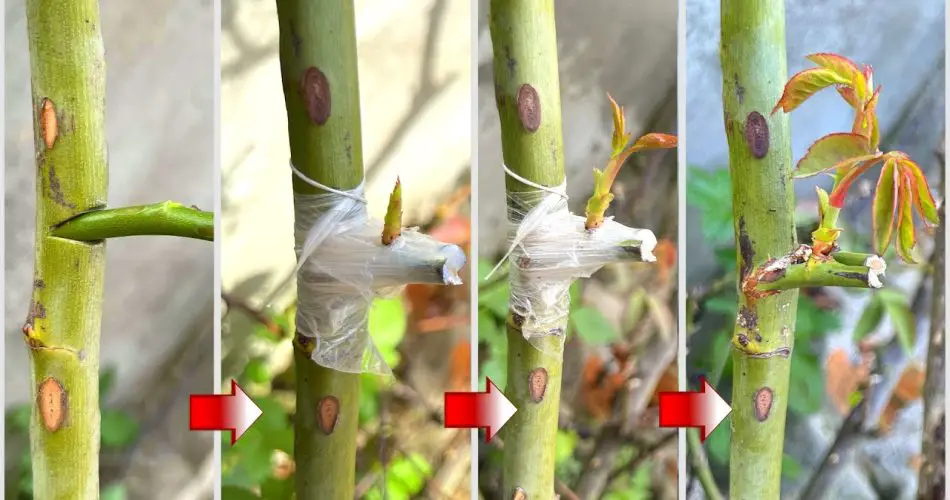
- Make the Grafting Cut: On the rootstock plant, make a clean, upward-slanting cut (about 1.5 inches long) with the grafting knife. Insert the scion into this cut, ensuring a snug fit.
- Secure the Graft: Use rubber bands or grafting tape to secure the scion in place. This helps ensure a tight connection and prevents air from entering the graft.
- Protect the Grafted Area: Apply a thin layer of grafting wax or a similar protective material to the grafted area to prevent desiccation and infection.
- Provide Care: Place the grafted plant in a sheltered location with indirect light. Keep the soil consistently moist but not waterlogged.
- Monitor and Prune: Monitor the graft for signs of growth. Once the graft has taken successfully, you can prune away any unwanted shoots below the graft.
Grafting roses using this new method offers a simplified yet effective approach to creating unique and beautiful rose varieties. With careful attention to detail and a bit of patience, you can elevate the elegance of your garden by experimenting with various rose combinations. Embrace the art of rose grafting and unlock the potential for a garden filled with bespoke, breathtaking blooms.