You’ve finally fallen in love with a pretty basil plant, but you’re not sure how to properly care for it? Don’t worry! We’re here to guide you on how to keep your potted basil healthy and thriving. Learn the right steps to water, care for, and maintain your basil plant, and you’ll have a fresh, aromatic herb all year long!
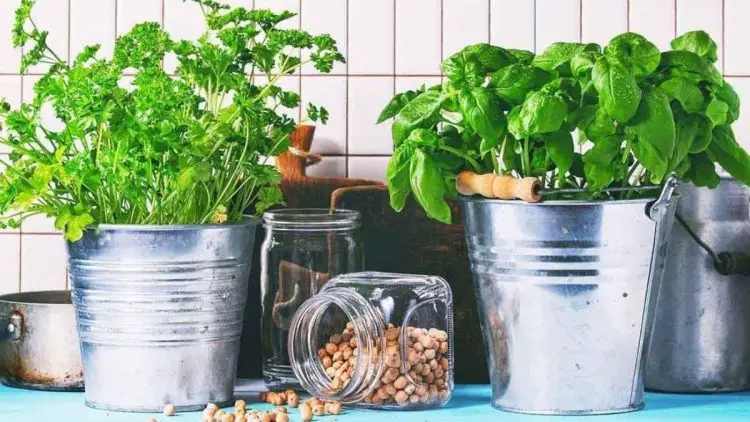
Basil is an aromatic herb that’s widely used in cooking and traditional medicine. While it’s relatively easy to grow, basil in pots can sometimes die unexpectedly. Whether it’s due to fungal diseases or simple care mistakes, here’s how to help your potted basil grow strong and flourish.
How to Water Basil? Gentle Watering Indoors and Outdoors
Proper watering is essential for basil’s health. To prevent your basil from rotting, make sure the soil stays moist but not soaked. Water the plant without flooding the soil, and ensure the pot has good drainage to avoid water accumulation. Let the soil dry out slightly between watering cycles, as basil doesn’t like to sit in constantly wet soil.
If you notice signs of disease in your basil, act quickly. It’s crucial to address any issues immediately to prevent the plant from suffering. With these watering tips, you’ll be able to enjoy fresh basil all year round!
What Exposure Does Basil Need? Shade or Sun?
In addition to proper watering, basil requires adequate sunlight to thrive. Basil needs full sun to grow well, so place it in a spot where it will receive at least 6 hours of sunlight a day. A garden, balcony, or windowsill with plenty of natural light is perfect for your basil.
However, keep in mind that basil can suffer from prolonged direct sun exposure, especially in hot climates. It’s important to protect it from extreme temperatures—whether too hot or too cold—and to avoid placing it in drafty areas.
Why is My Potted Basil Dying?
There are several common problems that can affect your basil plant, from fungal diseases to care mistakes. Here’s a closer look at the main causes of basil plant death:
1. Fusarium Bacterial Wilt
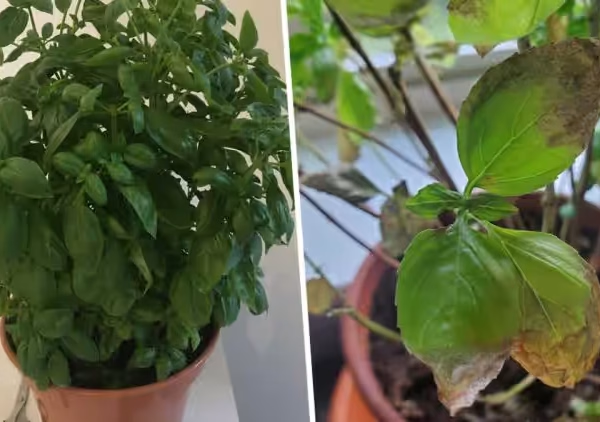
Fusarium oxysporum is a fungus that causes wilting in basil and other plants. This disease thrives in warm climates and acidic soils. Symptoms include yellowing and drying of the plant, with stunted growth. If the disease is not treated, it can kill your basil in just a few days. Early intervention is crucial to prevent this issue.
2. Anthracnose
Anthracnose is caused by the fungus Colletotrichum, which creates black spots on the stems and leaves of basil. Sudden temperature changes, such as transitioning from warm, humid nights to cool nights, can trigger this disease. Regularly inspect your basil for spots and lesions to catch any issues early.
3. Root Rot and Seedling Disease
Pythium ultimum and Phytophthora are two germs that cause root rot and affect the growth of basil, particularly in moist soils. These pathogens thrive in wet conditions and can spread through gardening tools, plant debris, or unclean trays. To avoid root rot, ensure your basil is planted in well-draining soil, and avoid overwatering. If your basil seedlings are showing signs of poor growth or wilting, root rot could be the culprit.
By following these care tips, you can avoid the most common problems that affect potted basil. Water properly, ensure your plant gets enough sunlight, and be vigilant about pests and diseases. With a little attention, your basil will grow beautifully and provide you with fresh, fragrant leaves all year long!