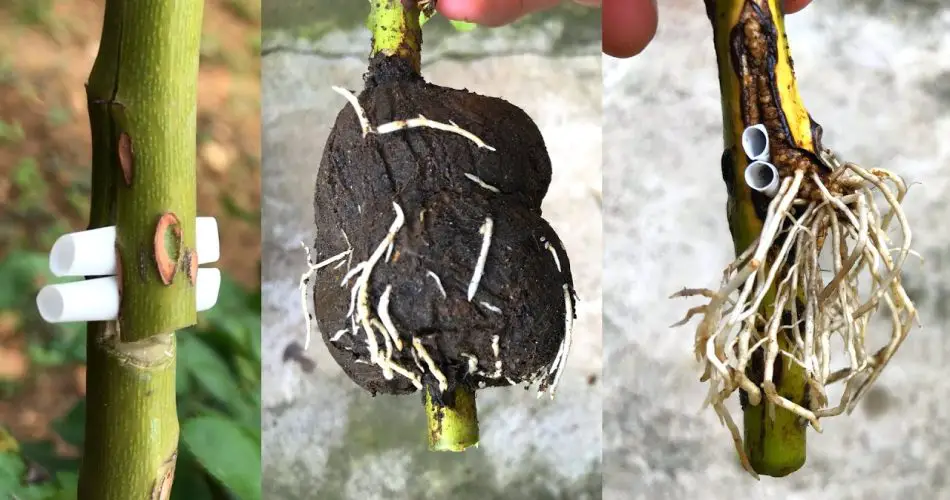
Unveiling a New Approach: Crafting Rose Roots through Innovative Propagation
Propagating roses is a beloved horticultural practice, but discovering a new method adds an exciting dimension to the world of gardening. In this guide, we’ll explore an innovative way to propagate roses, focusing on creating rose roots through a unique and experimental approach. Dive into the art of crafting rose roots in a manner that might just revolutionize the way you expand your rose garden.
Propagating Roses in a New Way: Crafting Rose Roots
- Selecting Healthy Rose Stems: Begin the process by choosing healthy rose stems. Opt for stems that are disease-free, have a vigorous growth pattern, and feature several leaf nodes. The quality of the initial stems plays a crucial role in the success of this innovative propagation method.
- Preparing Rooting Medium: Unlike traditional methods, this approach involves crafting rose roots directly from stem cuttings without soil. Prepare a rooting medium by using a mixture of sphagnum moss and perlite or vermiculite. This airy and moisture-retentive blend creates a favorable environment for root initiation.
- Creating a Moss-Wrapped Stem: Take a rose stem and remove any flowers or buds. Dampen the sphagnum moss and wrap it around the stem, covering several inches from the bottom. Ensure the moss is snug but not too tight, allowing room for potential roots to emerge.
- Securing with Plastic Wrap: Carefully wrap the moss-covered stem with clear plastic wrap. This step serves a dual purpose – it helps retain moisture around the stem and creates a protective covering for the emerging roots. Seal the ends of the plastic wrap securely.
- Providing Ideal Conditions: Place the prepared rose stems in a location with bright, indirect light. Maintain a warm and humid environment, which can be achieved by enclosing the wrapped stems in a plastic bag or using a transparent container. This mimics a mini-greenhouse effect.
- Monitoring and Mist: Regularly monitor the wrapped stems for signs of root development. Spritz the moss with water using a fine mist spray bottle to maintain moisture levels. Be cautious not to oversaturate, as excessive moisture can lead to rot.
- Transplanting Rooted Stems: Once you observe the emergence of roots through the clear plastic wrap, the rose stems are ready for transplanting. Gently unwrap the plastic, revealing the newly formed roots. Transplant the rooted stems into pots or directly into the garden soil.
The Innovation Behind Crafting Rose Roots
- Encouraging Adventitious Roots: This method encourages the formation of adventitious roots directly on the stem. By enveloping the stem in moist sphagnum moss and creating a humid environment, the plant is stimulated to produce roots from nodes along the stem.
- Eliminating the Need for Soil: Unlike traditional propagation methods that involve planting in soil, crafting rose roots with this innovative approach eliminates the immediate need for soil. The combination of sphagnum moss and plastic wrap provides a self-contained and controlled environment for root development.
- Enhancing Visibility of Root Growth: The transparent nature of the plastic wrap allows gardeners to witness the entire process of root initiation. This visibility adds an educational and engaging aspect to the propagation experience, deepening the connection with the plants.
Embrace the excitement of experimenting with a new way to propagate roses by crafting rose roots. This innovative approach adds a touch of creativity to traditional gardening practices, providing a unique perspective on the art of plant propagation. Whether you’re a seasoned gardener or a curious enthusiast, exploring novel methods like this can spark a newfound appreciation for the wonders of plant life and the limitless possibilities of horticulture.


