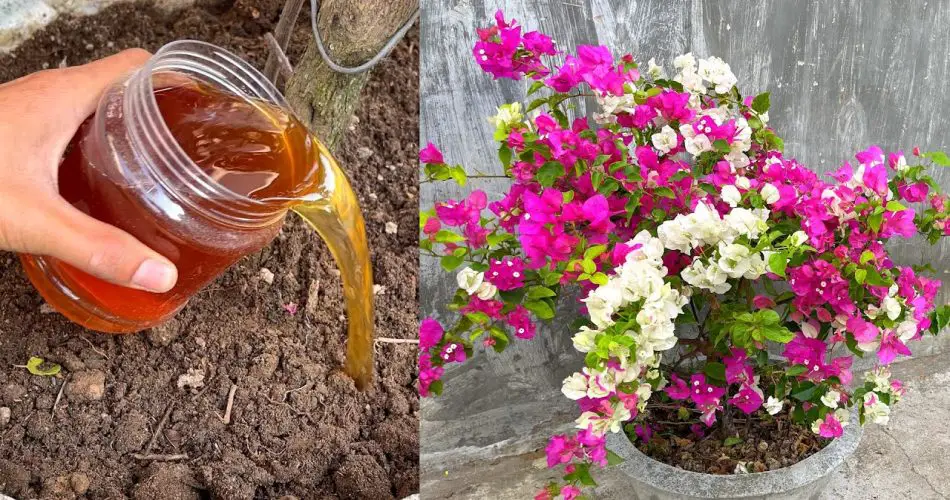
“Bountiful Blooms: The Art of Pruning for Bougainvillea Flowers”
Bougainvillea, with its vibrant and flamboyant bracts, is a showstopper in gardens worldwide. To coax the best blooms from these tropical beauties, mastering the art of pruning is essential. In this guide, we’ll explore the techniques for pruning bougainvillea to enhance flowering and share insights on planting these resilient plants for a dazzling display of color in your garden.
Pruning Techniques for Bougainvillea Flowers:
- Timing Matters: Bougainvillea blooms on new growth, so the timing of pruning is crucial. The best time to prune is during late winter or early spring, just before the growing season begins. This allows the plant to channel its energy into producing new branches and blooms.
- Clean Cuts for Healthy Growth: Use sharp pruning shears to make clean cuts. Remove dead or diseased wood, cutting back to healthy growth nodes. Bougainvillea responds well to pruning, and the removal of dead or damaged branches promotes overall plant health.
- Encourage Bushy Growth: To encourage a bushier and more compact growth habit, selectively prune the tips of the branches. Pinch or trim the ends, especially for varieties with long, trailing growth. This promotes lateral branching, resulting in a fuller and more densely flowering plant.
- Manage Size and Shape: Bougainvillea can be vigorous climbers, so it’s essential to manage their size and shape, especially in confined spaces. Regular pruning helps control their growth and prevents them from becoming unruly. Trim back wayward branches to maintain the desired shape and size.
- Pruning for Abundant Blooms: Bougainvillea blooms most profusely on new growth, so prune with the goal of stimulating fresh shoots. Remove a portion of the older wood to make room for new growth, ensuring a continuous supply of young, flowering branches.
Planting Bougainvillea:
- Selecting the Right Location: Bougainvillea thrives in full sunlight, so choose a location that receives at least 6-8 hours of direct sunlight daily. Well-draining soil is essential to prevent waterlogging.
- Soil Preparation: Prepare the soil by incorporating organic matter and ensuring good drainage. Bougainvillea prefers slightly acidic to neutral soil with a pH between 5.5 and 6.0.
- Watering Requirements: While bougainvillea is drought-tolerant once established, regular watering is crucial during the initial planting and establishment period. Water deeply and allow the soil to dry out between waterings.
- Fertilizing Routine: Bougainvillea benefits from a balanced, water-soluble fertilizer with a higher phosphorus content to promote blooming. Apply fertilizer during the growing season, following the recommended dosage on the product label.
- Support for Climbing Varieties: If you have a climbing variety of bougainvillea, provide support such as a trellis or arbor. This helps guide its growth and showcases its cascading beauty.
Conclusion: Pruning bougainvillea for abundant flowers is both an art and a science. By understanding the right timing and techniques, you can sculpt these tropical wonders into stunning displays of color. Additionally, planting bougainvillea in optimal conditions ensures that they thrive and continue to enchant with their vivid blooms. With a little care and attention, bougainvillea can transform your garden into a vibrant haven of tropical splendor.


