Grab your scissors when your berry bushes stop yielding! Here’s when and how to prune your shrubs in July for a bountiful harvest.

By performing vigorous pruning in July, you can ensure your shrubs produce more berries in the future. Without regular pruning, plants can age quickly, leading to diminished harvests. The best time to prune redcurrants, gooseberries, and summer raspberries is immediately after harvest, making it easy to distinguish between young and old canes. So, grab a pair of sharp pruning shears and let’s get started!
1. Prune Gooseberry Bushes After Harvesting
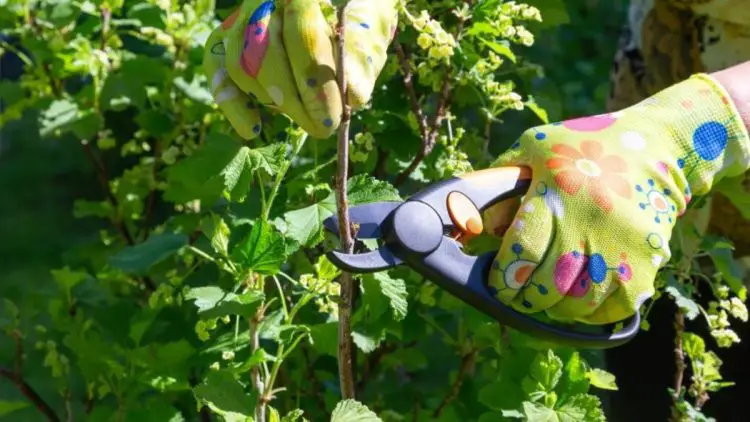
Regular pruning of currant bushes is essential for maintaining juicy berries in long clusters. Yields can drop significantly after four years if the bushes are neglected. Therefore, it’s crucial to prune red and white currants right after harvest.
Shorten worn side shoots so that only stubs with one or two eyes remain—this technique is known as “cone pruning.” New, productive stems will grow from these cones.
Remove weak branches close to the ground, as well as three or four-year-old branches completely at the base. You may need a garden saw or stronger shears for older wood. Ideally, leave only six to eight old shoots on the ground, ensuring the oldest are removed. This method allows the plant to renew itself annually, consistently producing fruit on young stems.
2. Prune the Main Shoots of Gooseberry Bushes
Pruning gooseberries (Ribes UVA-crispa) follows a similar approach to currants. The sweetest berries grow on the annual side shoots. Retain six to eight strong main shoots each year to maintain the shrub’s basic structure.
However, these main shoots should not exceed four years of age, so regularly replace them with younger shoots. Cut or pull out any other main shoots and young shoots at the base. Also, remove any horizontal or inward-growing branches.
Leave the long tips of main shoots and annual side shoots, as these produce the best gooseberries. If side shoots are too dense, prune every other one to two eyes.
3. Prune Summer Raspberry Bushes
After harvesting, it’s also time to prune summer raspberries. Cut the harvested canes down to ground level, leaving only the young canes selected as new fruit canes during the spring or early summer pruning.
If more than ten strong main canes remain, thin them out further. The long young shoots should then be tied to a trellis, as these will bear the raspberries next year. Instead of waiting until the end of harvest to prune, you can cut the fruiting canes directly with the last ripe raspberries.
This dual approach has two benefits: you can pick the berries while seated, and the supporting branches become easily recognizable. This way, you accomplish both harvesting and pruning in one go!
By following these pruning tips, you’ll ensure your summer flowering shrubs thrive and produce abundant berries for seasons to come!