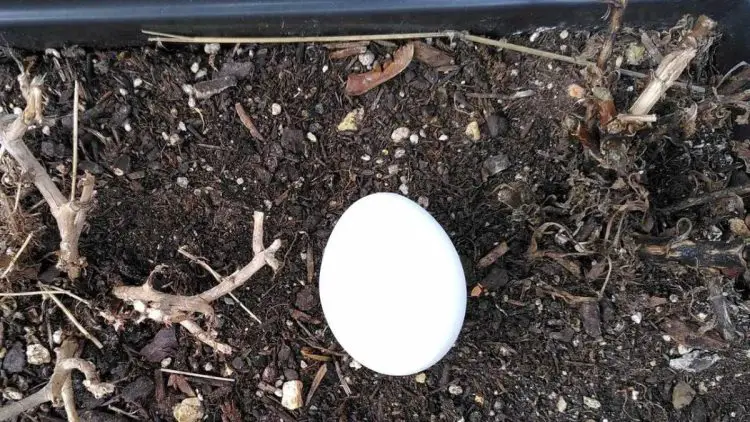
Eggs in the Garden: Using raw eggs as a fertilizer is a surprisingly effective way to boost the health and growth of your plants. Here’s how to harness the power of raw eggs to improve your garden.
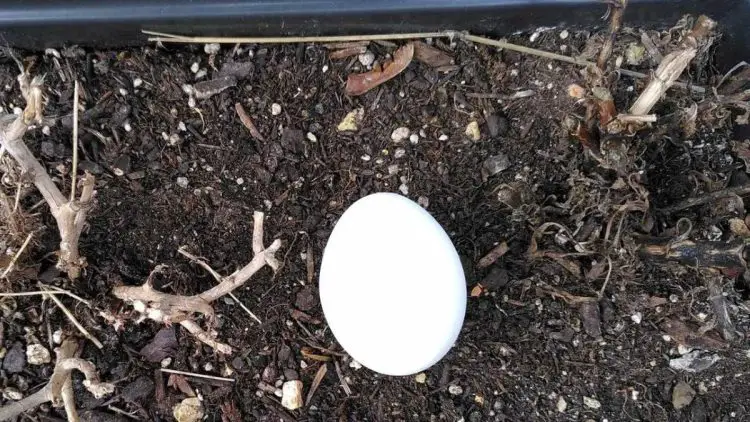
Why Use Raw Eggs in the Garden?
Raw eggs are a fantastic, natural fertilizer for your plants. While many gardeners are familiar with using eggshells as a source of calcium, whole raw eggs offer even more benefits:
- Calcium Boost: Both egg white and egg yolk provide essential calcium, which helps plants grow robustly and prevents root rot.
- Extended Nutrient Release: Since the egg decomposes slowly, it releases nutrients into the soil over time, ensuring a steady supply of nourishment.
How to Use Raw Eggs as Fertilizer
Here’s a step-by-step guide on how to use raw eggs in your garden. This method is especially useful for old eggs that are past their expiration date, giving them a new purpose instead of throwing them away.
Materials Needed:
- Pot or Planter
- Topsoil
- Raw Egg
Instructions:
Step 1: Choose a suitable location for planting, considering the light requirements of your plants—whether they need full sun, shade, or partial shade. Prepare the area accordingly.
Step 2: Fill your flower box or pot with soil up to about two inches. Place a raw egg in the center of the soil, then cover it with more soil. For larger planters, you can use several eggs.
Step 3: Proceed with sowing your seeds according to the instructions on the seed packet.
As your seeds germinate and grow, the egg will slowly decompose, thanks to soil organisms and small animals. There’s no need to dig up or remove the egg—it will naturally integrate into the soil, providing continuous nourishment.
By using this simple trick, you can enhance the health and vitality of your plants with minimal effort and cost.