If your Phalaenopsis orchid is showing signs of decline, don’t despair—there are steps you can take to rescue it and encourage new growth. Phalaenopsis orchids, known for their stunning flowers and relatively easy care, can experience setbacks due to various factors such as improper watering, inadequate light, or root issues. Here’s a comprehensive guide to rescue and repot your dying Phalaenopsis orchid, helping it regain health and vigor.
Identifying Signs of a Dying Orchid
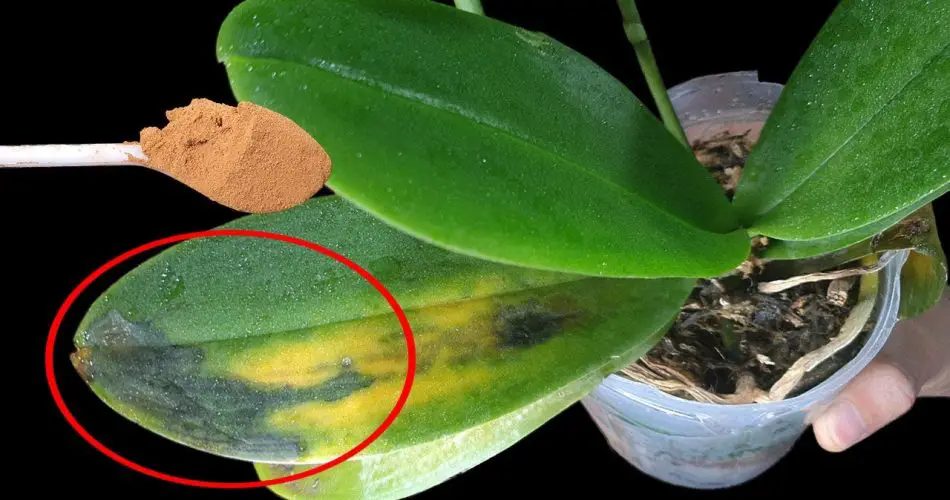
- Yellowing or Drooping Leaves: Indicates possible overwatering or underwatering.
- Root Rot: Brown or black, mushy roots due to excessive moisture or poor drainage.
- Stalled Growth or No Blooms: Lack of growth or failure to produce new flowers.
Rescue Steps:
- Assess the Orchid’s Condition:
- Inspect the roots: Gently remove the orchid from its pot and examine the roots. Healthy roots are firm and green or white. If they appear mushy, brown, or smell foul, they may be affected by root rot.
- Trimming Roots:
- Trim away any dead, mushy roots using sterile scissors or pruning shears. Cut back to healthy tissue, ensuring no signs of rot remain.
- Disinfecting:
- Disinfect the cutting tools with rubbing alcohol between cuts to prevent the spread of disease.
- Repotting:
- Choose a new pot: Select a pot that is just slightly larger than the current root mass to provide room for growth. Ensure it has drainage holes.
- Prepare potting mix: Use a well-draining orchid mix or a blend of bark, perlite, and charcoal.
- Place orchid: Position the orchid in the center of the pot, spreading out the roots evenly.
- Backfill: Gently pack the potting mix around the roots, ensuring they are supported but not buried too deeply.
- Watering:
- Water thoroughly: After repotting, give the orchid a thorough watering to settle the potting mix.
- Avoid watering again until the potting mix feels dry to the touch. Overwatering is a common cause of orchid decline.
- Light and Temperature:
- Provide optimal conditions: Phalaenopsis orchids prefer bright, indirect light. Avoid direct sunlight, especially during hot afternoons. Maintain temperatures between 65-75°F (18-24°C) during the day and slightly cooler at night.
- Humidity and Air Circulation:
- Enhance humidity: Orchids thrive in humid environments. Use a humidity tray, room humidifier, or mist the orchid occasionally.
- Ensure good air circulation: Adequate air movement prevents fungal growth and maintains plant health.
- Fertilizing:
- Feed regularly: Use a balanced orchid fertilizer diluted to half strength every 2-4 weeks during the growing season (spring to early fall). Reduce or stop feeding during the dormant period.
- Monitoring and Care:
- Monitor growth: Watch for new root growth and healthy leaves. Expect recovery to take several weeks as the orchid adjusts to its new environment.
- Patience and persistence: Orchids are resilient but may take time to show improvement. Maintain consistent care and adjustments as needed.
Final Tips:
- Be patient: Orchids can bounce back with proper care and patience.
- Avoid drastic changes: Gradually introduce changes in watering, light, or temperature to prevent stress.
- Seek advice: Consult local orchid experts or forums for specific care advice tailored to your region or orchid type.
By following these steps and providing attentive care, you can rescue your dying Phalaenopsis orchid and enjoy its beautiful blooms once again. Remember, each orchid is unique, so adjust care based on its individual needs for the best results.
Show Comments