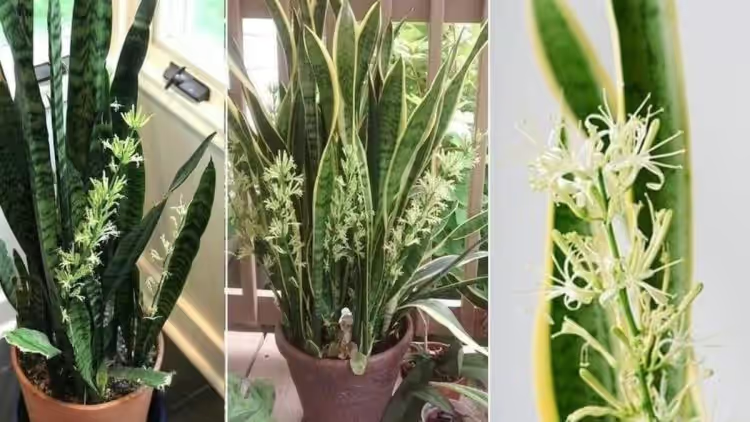
Sansevieria, also known as snake plant or mother-in-law’s tongue, is one of the easiest houseplants to care for. Belonging to the Asparagaceae family, this plant is not only low-maintenance but also purifies the air, making it a perfect addition to any home or office.
Let’s explore how to properly care for sansevieria, including watering tips, placement, soil needs, and common issues.
Why Choose Sansevieria? 🌿
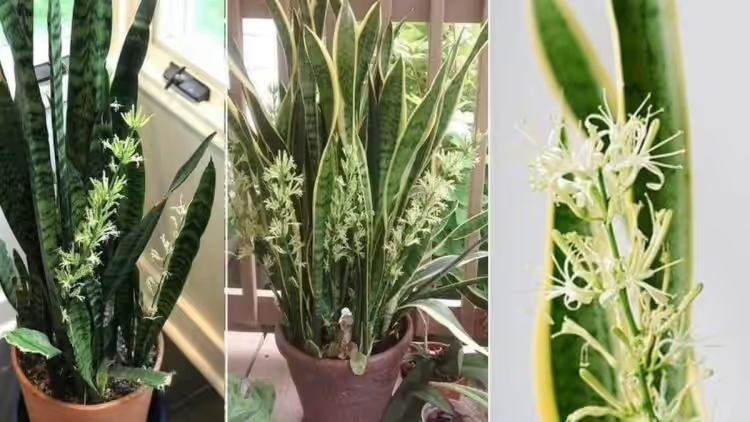
Sansevieria is an evergreen, hardy plant that thrives in a variety of conditions. It’s loved for its:
✅ Air-purifying abilities – It absorbs pollutants and releases oxygen 24/7.
✅ Low maintenance – Requires little water and survives neglect.
✅ Stylish appearance – Comes in various leaf shapes and colors.
There are many species and varieties of sansevieria, including:
- Sansevieria Trifasciata – Features long, pointed leaves with green and yellow stripes.
- Sansevieria Cylindrica – Has tubular, upright leaves that can be braided.
- Sansevieria Moonshine – Recognized for its pale green, almost silvery leaves.
- Sansevieria Hahnii – A compact variety with leaves arranged in a rosette.
How to Care for Sansevieria
1. Choosing the Right Pot & Soil
🪴 Pot selection: After purchasing, repot your sansevieria in a container that allows for proper drainage. A pot with a drainage hole is essential to prevent overwatering issues.
🌱 Soil type: Sansevieria prefers well-draining soil. Use a mix of universal potting soil with sand or perlite. Adding clay pieces at the bottom of the pot will further prevent water stagnation.
2. Best Placement & Light Conditions
🌞 Light requirements: Sansevieria thrives in bright, indirect light but can also tolerate low light conditions. However, the brighter the light, the more vibrant its leaf color will be.
🚫 Avoid direct sun exposure during the hottest hours, especially for varieties like Sansevieria Cylindrica, which can suffer from sunburn.
🏡 Ideal indoor temperature:
- Optimal range: 18°C – 27°C (65°F – 80°F).
- Minimum survival temperature: 3°C (37°F). It should be kept indoors in colder climates.
3. Watering & Moisture Control
💧 When to water: Like most succulents, sansevieria prefers dry soil. Water only when the soil is completely dry, which typically means:
- Every 2–3 weeks in summer
- Once a month in winter
🚫 Overwatering is the #1 cause of problems, leading to root rot. Always ensure the pot drains well, and never leave the plant sitting in water.
🚿 Humidity: Sansevieria does not like high humidity or misting on the leaves—keep it in a moderately dry environment.
4. Repotting & Growth Maintenance
🪴 When to repot: If the roots have completely filled the pot, repot in spring to a slightly larger container. If repotting isn’t needed, simply refresh the top layer of soil.
✂ Pruning: No regular pruning is required. Just remove dried or damaged leaves to keep the plant looking healthy.
Sansevieria Propagation: Grow More Plants!
🌱 Leaf cuttings method:
- In summer, cut a healthy leaf into several pieces.
- Let the pieces air dry for a few days to allow healing.
- Plant them in moist, well-draining soil and keep the pot at 21°C (70°F) until new roots form.
🌿 Division method:
- If your plant has multiple offshoots, separate them carefully and replant them in new pots.
Common Issues & Solutions
⚠ Brown, mushy leaves? – Overwatering! Remove affected parts, let the plant dry, and repot in fresh soil.
⚠ Faded or all-green leaves? – Lack of light. Move to a brighter spot to restore color.
⚠ Cottony pests? – Mealybugs can be wiped away with a cotton pad soaked in alcohol.
⚠ Scale insects? – Scrape them off gently or use an insecticidal soap.
Conclusion: A Plant That Thrives on Neglect
Sansevieria is one of the most resilient houseplants, making it perfect for beginners and busy plant lovers. By following these simple care tips, you’ll enjoy a thriving, air-purifying plant with minimal effort.
🌿 Bring home a sansevieria today and enjoy its beauty with ease! 🌱


