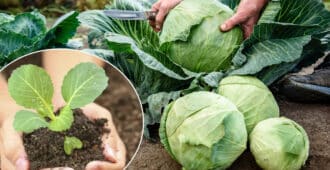
White cabbage, a staple in Ukrainian gardens, thrives with proper care and attention. Cultivating a bountiful harvest involves mastering key techniques such as correct fertilization, watering practices, and safeguarding against pests.
Watering Cabbage:
Importance: Cabbage requires regular watering without waterlogging, maintaining moist soil conditions.
Frequency: Water 1-2 times weekly, adjusting based on weather conditions, ideally in the morning.
Method: Direct water at the base to avoid wetting leaves, which can invite disease.
Amount: Adjust water quantity—1-2 liters for young seedlings and 5-10 liters for mature plants.
Fertilizing for Optimal Growth:
Early Growth: Use nitrogen-rich fertilizers to stimulate leaf growth.
Cabbage Head Formation: Transition to phosphorus and potassium-rich fertilizers for cob development.
Late Season: Apply trace elements like boron, molybdenum, and manganese for robust growth.
Types of Fertilizers:
Mineral: Utilize pre-mixed mineral fertilizers or custom blends.
Organic: Enhance soil with humus, compost, or manure in autumn before planting.
Combined Approach: Incorporate fertilizers into watering routines for efficient nutrient delivery.
Signs of Nutrient Deficiency:
- Nitrogen: Pale, yellow leaves; stunted growth.
- Phosphorus: Dark green leaves with purple tint; poor cob formation.
- Potassium: Brown edges on leaves; upward curling.
- Calcium: Brown leaf tips; slow growth.
- Magnesium: Yellowing between veins; leaf death.
- Sulfur: Yellow leaves; slow growth.
- Boron: Yellow, curled leaves; poor cob development.
- Manganese: Yellow leaves with brown spots; stunted growth.
- Molybdenum: Small, yellow leaves with brown edges.
- Iron: Yellow leaves with green veins; stunted growth.
Tips for Success:
- Monitor nutrient needs at each growth stage.
- Address deficiencies promptly to ensure healthy cabbage growth.
- Implement pest prevention measures alongside proper care practices.
By following these guidelines for watering, fertilizing, and identifying nutrient deficiencies, you’ll cultivate robust white cabbage plants that yield a plentiful and delicious harvest. With attention to detail and timely adjustments, your efforts will result in a rewarding garden full of nutritious vegetables for you and your family.