Discover the most powerful natural insecticide that effectively eliminates all pests from your plants. Read on to learn how to keep your garden healthy and pest-free!
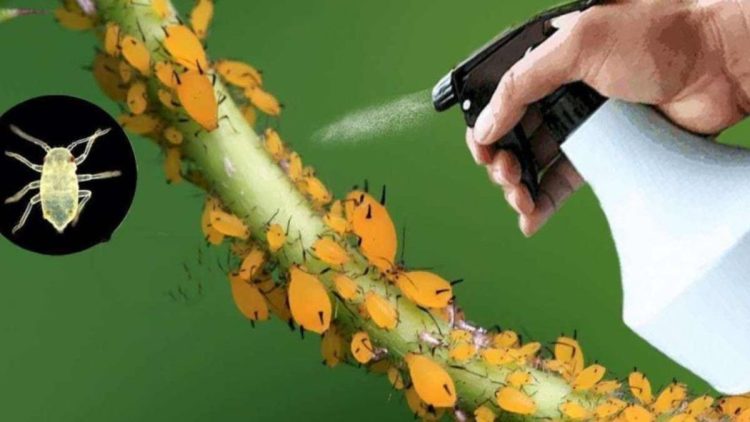
What is a Natural Insecticide Used For?
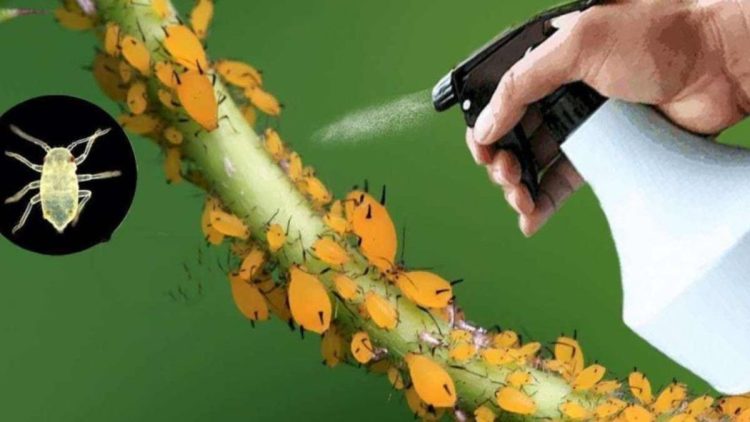
By making a natural insecticide for aphids and whiteflies at home, you can save money while ensuring your plants remain healthy.
Aphids primarily target the stems and leaves of plants, hindering germination, flowering, and reproduction. An infestation can render fertilization nearly ineffective. The first signs of an aphid attack are visible on the leaves, particularly when they turn yellow. These pests suck the sap from the plants, stunting their growth and reproductive abilities.
Natural insecticides are specifically designed to combat insect attacks on crops and garden plants. Unlike synthetic chemical insecticides, these are derived from natural sources such as plants, minerals, or living organisms. They play a crucial role in protecting plants from harmful insects that can damage growth, decrease yield, or spread diseases.
The use of natural insecticides aligns with sustainable agricultural practices aimed at minimizing environmental impact and promoting biodiversity. For instance, organic farming relies on natural insecticides and integrated pest management solutions for sustainable crop production.
How to Prepare a Natural Insecticide
To create this effective natural insecticide, you’ll need the following ingredients:
- 5 cloves of garlic (peeled)
- A small piece of onion
- A generous amount of water
- ½ teaspoon of pepper (any type)
- 1 tablespoon of dishwashing liquid
Preparation Steps:
- Place the peeled garlic cloves in a blender.
- Add the small piece of onion and enough water to blend everything smoothly.
- For added potency, include ½ teaspoon of pepper to the mixture.
- Add 1 tablespoon of dishwashing liquid to the blender.
- Blend all ingredients until you achieve a homogeneous liquid insecticide that effectively kills pests.
Once blended, pour the mixture into a container, add a little more water, and mix well. Filter the solution through a sieve and transfer it to a spray bottle. You can apply this insecticide to the affected plants either early in the morning or late in the afternoon when the sun is not too strong. This natural insecticide can be used once a week, as it is very potent.
Safety Note:
Natural insecticides are often considered safer and less toxic than their chemical counterparts, reducing risks to human and animal health. Protect your plants and the environment with this effective solution!