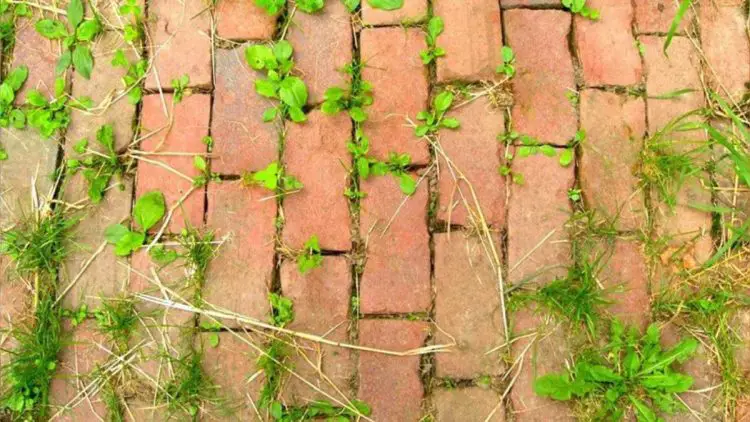
Dandelions on the lawn or moss between patio slabs—weeds are often the unwanted guests in our gardens, popping up where they’re not wanted. While chemical herbicides can be effective, they’re also harmful to the environment. Luckily, you can eliminate weeds naturally with a few simple ingredients you probably already have in your kitchen. Let’s take a look at a natural, safe, and economical way to keep your garden weed-free.
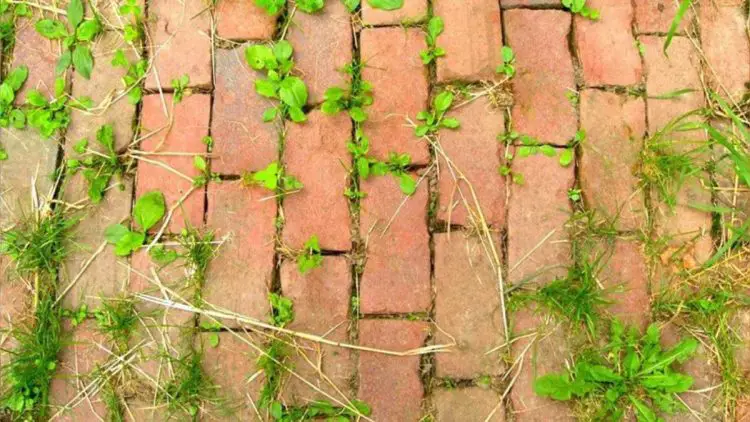
Natural Weed Control with Simple Ingredients
Weeds can spoil the beauty of your garden or patio, but with the right solutions, you can keep them at bay. Here are some easy, eco-friendly remedies using vinegar, salt, and soap, along with other natural alternatives.
1. Salt
Coarse salt is a powerful ally in the fight against weeds. Sprinkle it directly on the unwanted plants between your patio slabs or garden paths. Salt dehydrates the plants, killing them off within a few days. It works by sterilizing the soil, preventing weeds from growing back. However, use salt carefully—avoid applying it to garden beds or areas with desired plants, as it can damage the soil.
2. Vinegar
Vinegar is an effective natural herbicide, thanks to its acetic acid content. It kills weeds by dehydrating them and can be used alone or combined with other ingredients. Simply pour vinegar into a spray bottle and apply it to weeds, especially when the sun is shining. Avoid rainy days, as rain can wash away the vinegar before it can take effect. Vinegar is best used on hard surfaces like stones and slabs, not on soil with other plants.
3. Soap
Dish soap works as an effective weed killer when combined with vinegar and salt. The soap acts as a surfactant, helping the solution stick to the weeds and penetrate their surface. Add a few drops of liquid dish soap to your vinegar-salt mixture, then spray directly onto weeds for best results.
Other Natural Methods for Weed Control
While vinegar, salt, and soap are great starting points, there are plenty of other natural solutions you can use to fight weeds:
4. Cereal Meals
Cereal flour prevents weed seed germination. Sprinkle it over stone slabs or areas infested with weeds to prevent future growth.
5. Baking Soda
Baking soda can be sprinkled on cracks or areas with weeds. This biodegradable powder helps control unwanted plants, especially in pavement cracks.
6. Boiling Water
Boiling water is a simple, effective method for killing weeds. Pour it directly over weeds, and within an hour, they’ll lose their vitality and dry out.
7. Vegetable Cooking Water
Vegetable cooking water is a free and eco-friendly solution for weed control. Simply pour leftover water from cooked pasta or vegetables over the weeds. The hot water helps kill the plants, and nutrients from the vegetables can actually benefit your soil.
8. The Weed Burner
For a more direct approach, consider using a weed burner, a device that heats up plant cells, causing them to burn and dry out. This method is great for moss, weeds, and even fungi.
9. Newspapers
Newspapers can act as a weed suppressant. Moisten the soil, then cover it with a thick layer of newspaper. Top it with mulch to keep weeds from getting sunlight, preventing their growth.
10. Dead Leaves
Covering weeds with a layer of dead leaves or mulch prevents them from receiving sunlight and stops them from growing. This technique helps naturally protect your plants from overgrowth.
11. Manual Weeding
Sometimes, the simplest way to deal with weeds is to remove them by hand. Use gloves and a trowel or claw tool to remove weeds by the roots. This is the most effective way to ensure they don’t return.
12. Basil Essential Oil
Basil essential oil has both weed-killing and fungicidal properties. Add a few drops to your homemade herbicide solution, and use it to spray garden paths or patios. This treatment will help keep weeds at bay naturally.
Conclusion
Eliminating weeds doesn’t have to involve harsh chemicals. With vinegar, soap, and salt, you can easily create a natural, safe solution to protect your garden. Whether you’re dealing with weeds in cracks between patio slabs or trying to keep your garden beds clean, these ingredients offer an eco-friendly and effective solution for all your weeding needs.


