As temperatures rise in July and August, many vegetables require extra care to ensure a healthy and abundant harvest. Tomatoes, cucumbers, peppers, and other fast-growing vegetables need proper watering, fertilization, and support to thrive. Here’s how to keep your summer crops strong and productive!
🥒 Why Some Vegetables Need Extra Water & Care
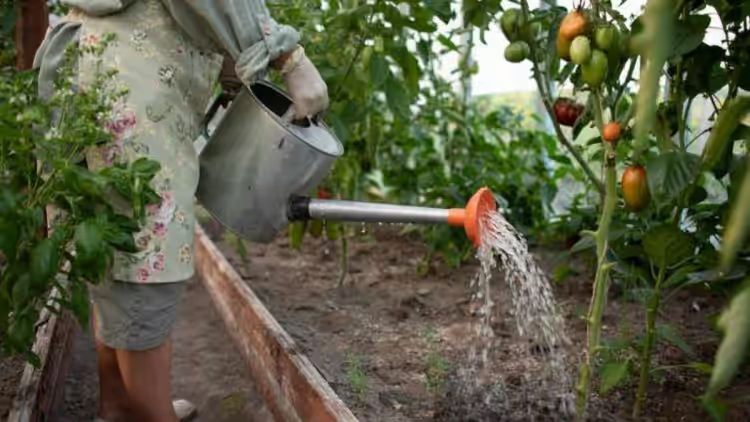
Vegetables with high nutritional value, such as tomatoes, cucumbers, and peppers, grow quickly and require more nutrients and water than others. These plants experience rapid fruiting during the hot summer months, which makes consistent watering and feeding essential.
🌞 Key Summer Challenges:
✔️ High temperatures increase water evaporation.
✔️ Rapid fruit formation drains nutrients from the soil.
✔️ Insufficient watering can lead to bitter or stunted vegetables.
To ensure a continuous harvest, these crops need additional fertilization and careful watering strategies.
🌿 The Right Fertilization for High-Growth Vegetables
Certain vegetables, known as heavy feeders, require nutrient-rich soil to support their fast growth and fruit production. These include:
✔️ Tomatoes 🍅
✔️ Cucumbers 🥒
✔️ Peppers 🌶️
✔️ Zucchini
✔️ Cabbage 🥬
✔️ Celeriac
✔️ Potatoes 🥔
✔️ Large-fruited squash & melons 🍈
✔️ Corn 🌽
✔️ Eggplant (Aubergine) 🍆
🌱 Best Fertilization Practices:
✅ First fertilization: Apply compost or an organic fertilizer (such as cornucopia) at planting.
✅ Second fertilization: In July or August, add a second dose of fertilizer to support fruit formation.
✅ Use potassium-rich fertilizers: Potassium boosts flowering and fruit development.
✅ Try natural fertilizers: Nettle manure or cornucopia powder every three weeks can improve plant health.
💦 Essential Summer Care for Thriving Plants
Along with proper fertilization, watering and plant support are crucial for a strong and productive vegetable garden. Here are the best summer gardening tips:
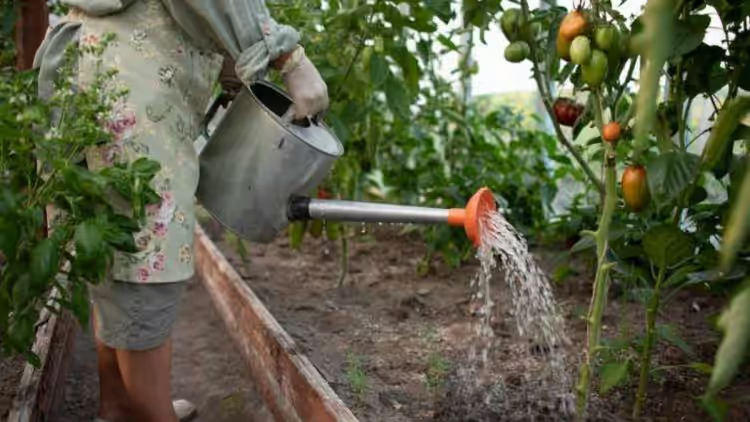
1️⃣ Water Generously & At the Right Time
✔️ Water in the morning for best absorption.
✔️ If it’s extremely hot, water again in the evening.
✔️ Cucumbers and zucchini need consistent watering to prevent bitterness.
💡 Pro Tip: Water at the base of the plants, avoiding the leaves, to reduce the risk of fungal diseases.
2️⃣ Mulch to Retain Moisture
✔️ Spread grass clippings or plant debris (avoid weeds) around plants.
✔️ Mulch keeps soil moist and prevents it from drying out too quickly.
3️⃣ Loosen the Soil for Better Nutrient Absorption
✔️ Regularly aerate the soil so roots can access water and nutrients more effectively.
4️⃣ Support Heavy Plants with Stakes
✔️ Provide stakes or cages for tomatoes and cucumbers.
✔️ This prevents fruits from touching the ground and reduces stress on the plant.
5️⃣ Prune and Thin Tomatoes Weekly
✔️ Removing excess foliage helps direct energy toward fruit production.
🐞 Prevent Pests & Diseases
A healthy plant is less likely to suffer from infestations, but it’s always best to monitor your vegetables regularly.