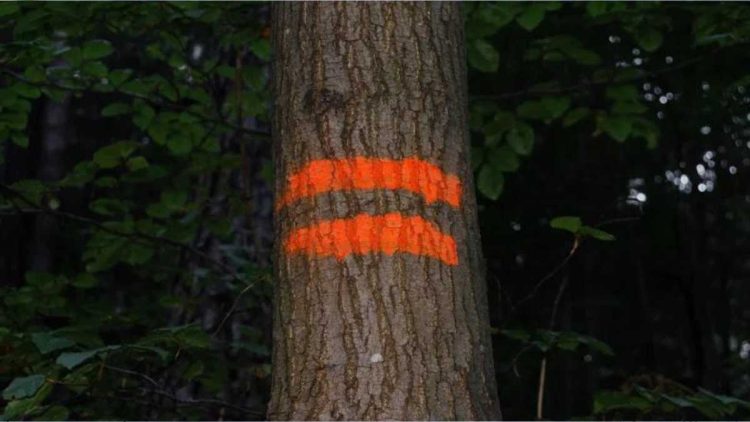
Entering a forest can sometimes feel like stepping into a mysterious world, especially when encountering trees marked with unusual colors. For many, seeing a tree painted orange may raise questions about its significance. What is the meaning behind these colorful markings on trees? In fact, these markings are not random—each color and symbol has a specific purpose, primarily for those involved in forest management.
Orange Markings: A Sign of Tree Harvesting or Protection
An orange tree marking is typically a sign of sustainable forestry practices. A single horizontal orange line or dot on a tree (sometimes near the base) usually means the tree is designated for removal—either to be cut down or harvested. These markings serve as instructions to foresters, loggers, and landowners, indicating which trees are selected for harvesting. This practice is essential to maintain a healthy, balanced forest ecosystem, where only certain trees are removed to allow others to thrive.
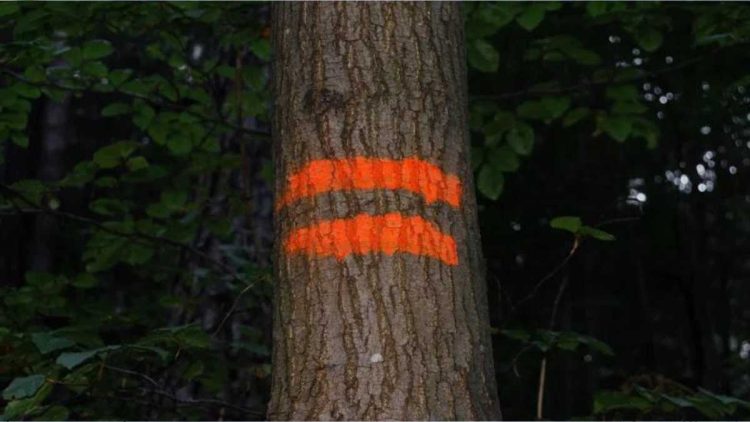
In some cases, orange markings might indicate the opposite: a warning to leave the tree alone. For example, in certain areas, a horizontal line or a dot could be used to mark trees that are protected or should not be disturbed. Additionally, two horizontal orange lines or sometimes red lines can denote the boundary of a harvest area, helping workers avoid cutting outside of designated zones.
However, these markings can vary by region. In places like Butte County, California, an orange dot and two parallel lines on a tree signify that the tree is either dying or already dead. This highlights how tree markings can differ depending on the local forestry practices.
Diverse Tree Markings: A Forest of Meaning
In addition to orange, other colors are also used to convey specific messages in the forest. For example, blue markings often indicate that a tree should be cut down, but a blue ring or a single blue dot could mean the tree should be left untouched. These marks can also guide hikers along designated trails to ensure safe navigation through the woods.
Red markings often serve a different function, such as indicating property boundaries. If you see a red mark on a tree, it might mean that the land is owned by the Forest Service, and trespassing is prohibited.
However, it’s important to note that there is no universal standard for these markings. Different forest agencies, landowners, and logging companies may adopt their own systems, resulting in a variety of codes and colors tailored to specific needs and regional practices. This flexibility allows the marking system to serve the unique requirements of different stakeholders, from conservationists to land managers.
Urban Tree Markings: More Than Just Forests
Tree markings are not limited to forests—they can also be found in urban and suburban settings. In cities, tree markings serve various purposes such as identifying trees that need pruning, maintenance, or removal. They can also mark trees of historical significance or value or indicate damaged trees that require attention. Just like in forests, these markings in urban environments help ensure proper care and management of trees.
The Importance of Tree Marking Systems in Forest Management
The use of tree markings is vital for effective forest management. Landowners, logging companies, and agencies like the U.S. Forest Service use these systems to manage forest health, ensure sustainable harvesting, and support conservation efforts. These markings are essential tools for communication among various stakeholders, ensuring that harvesting, conservation, and recreational activities are coordinated.
For landowners, tree markings help guide selective harvesting, promote forest health, and protect natural resources. Timber companies use these codes to reduce waste and minimize environmental impact. Agencies like the U.S. Forest Service rely on markings to balance conservation efforts with resource use, ensuring that forests remain resilient and productive for future generations.
Conclusion: A Coded Language of Sustainability
In the world of forest and tree management, painted markings—whether orange, blue, red, or another color—serve as a language of communication. These markings, although seemingly mysterious to the untrained eye, play a crucial role in ensuring sustainable forestry practices, promoting forest health, and managing natural resources effectively. By understanding the purpose behind these colors, we can transform a forest from a confusing maze of trees into a harmonious ecosystem where both nature and human activity coexist in a balanced way.


