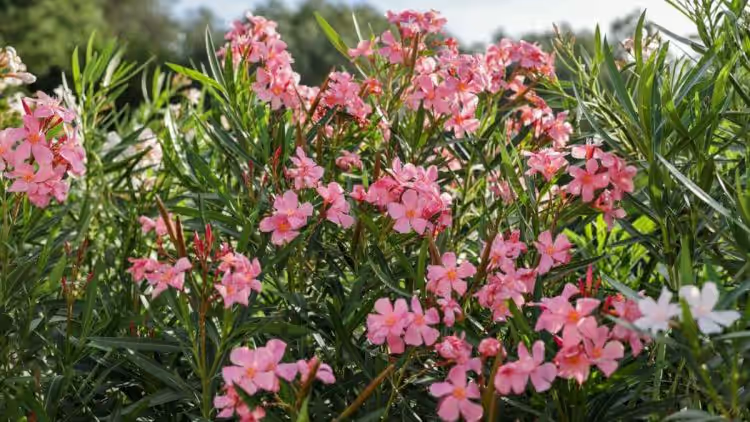
Oleanders, known for their lush, vibrant blooms, are a favorite in Mediterranean gardens and beyond. However, they require specific care to reach their full flowering potential. If your oleander isn’t blooming, don’t worry—simple remedies and proper care can make all the difference. Here’s everything you need to know to help your oleander thrive.
Why Isn’t Your Oleander Blooming?
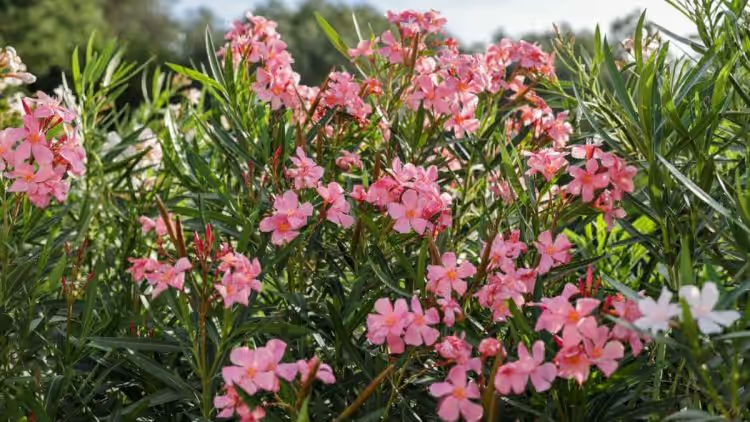
The scientific name for oleander, Nerium Oleander, hints at its sunny origins. These plants need plenty of sun, water, and nutrients to flourish. If your oleander isn’t blooming, common culprits include:
- Poor location: Oleanders thrive in sunny, warm spots.
- Improper care: Lack of nutrients, pruning mistakes, or overwatering can impact flowering.
- Pest attacks: Aphids and mites can damage buds and prevent blooming.
- Winter damage: Poor winter storage may result in weak or non-blooming plants.
Fortunately, natural remedies and proper maintenance can address these issues.
Natural Fertilizers for a Blooming Oleander
1. Coffee Grounds or Black Tea
Both coffee grounds and tea contain essential minerals like potassium, phosphorus, and nitrogen, which promote leaf and flower growth.
- How to use coffee grounds:
- Dry leftover coffee grounds to prevent mold.
- Mix them into the soil near the roots or dissolve them in irrigation water.
- How to use black tea: Sprinkle leftover tea leaves in the soil, but use sparingly, as they can make the soil slightly acidic.
2. Eggshells
Eggshells are a rich source of calcium, which oleanders love.
- Crush dried eggshells into small pieces.
- Incorporate them into the soil around the plant.
3. Soap-Water and Rapeseed Oil Solutions
For pest control, a solution of soap water or rapeseed oil works wonders.
- Mix water with a few drops of liquid soap or rapeseed oil.
- Spray directly onto the plant, especially under the leaves where pests often hide.
- This natural remedy keeps pests at bay while being safe for plants.
Care Tips for Healthy Oleanders
1. Fertilizing and Watering
- Fertilize once a week in spring and summer with a balanced, natural fertilizer.
- Use tap water, not rainwater, as oleanders prefer hard water.
- Avoid overwatering and ensure proper drainage to prevent root rot.
2. Pruning Tips
- Prune oleanders carefully; excessive pruning can delay flowering.
- Remove faded flowers and leaves by hand rather than cutting.
- Avoid removing old inflorescences, as new blooms grow from these parts.
3. Winter Care
Oleanders are not frost-resistant, so they require proper winter storage:
- Place them in a bright, well-ventilated indoor space with temperatures between 2°C and 10°C.
- Reduce watering during winter to prevent overhydration.
Choosing the Right Location
For oleanders to bloom abundantly:
- Select a sunny, warm, and sheltered spot, ideally against a house wall.
- Double-flowered varieties benefit from protection against rain, as wet conditions can hinder blooming.
- In cooler climates, hope for warmer summers or consider moving the plant to a sunnier location.
Preventing Pest Problems
Aphids and mites are common oleander pests. Regular inspections help detect infestations early.
- For mild infestations, wipe the pests off with a cloth soaked in soapy water.
- For severe infestations, spray a solution of water mixed with neem oil or rapeseed oil under the leaves.
Enjoy the Beauty of a Blooming Oleander
Oleanders bloom from June to mid-September, offering a spectacular display when properly cared for. With these natural remedies and care tips, you can ensure your oleander thrives year after year.
Looking for more gardening advice? Check out tips for daisies, hydrangeas, and azaleas, or discover how to repurpose kitchen scraps like cucumber peels to enhance your garden! 🌺