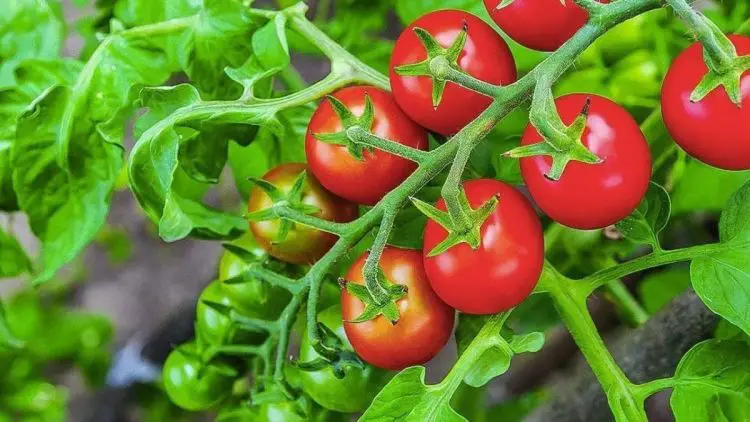
Avoid Planting Tomatoes and Onions Together: Here’s Why It Could Harm Your Garden
The organic gardening trend is growing, with more and more new gardeners eager to grow their own vegetables. While the idea of having a home garden is appealing, it’s easy to make a mistake, especially when it comes to crop combinations. One of the worst mistakes you can make in your garden is planting tomatoes and onions together. Although these vegetables are often paired in cooking, they don’t thrive well in the same soil. Let’s explore why this is the case, and how to avoid common gardening pitfalls.
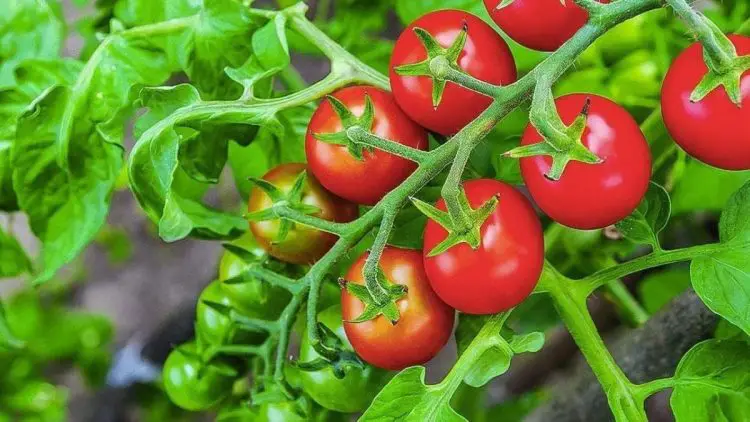
The Dangers of Planting Tomatoes and Onions in the Same Spot
In agriculture, the concept of crop rotation is vital. It refers to planting different crops on the same plot of land in different years to prevent soil depletion. When you plant tomatoes or onions in the same spot year after year, without sufficient crop rotation, you risk depleting the soil of essential nutrients.
- Tomatoes are nutrient-hungry plants that require nitrogen, phosphorus, and potassium to grow well. If onions, which have different nutrient needs, are planted in the same soil, it can result in nutrient imbalances. The soil will be lacking in the essential nutrients needed for both plants to thrive.
- Repetition of the same crops in the same location will also attract pests and diseases to the soil. These pathogens become accustomed to specific crops and will continue to return, potentially destroying your crops over time.
What Vegetables Should Not Be Planted Near Tomatoes?
Some plants do not play well together in the garden, and it’s important to understand which ones to avoid. Tomatoes especially need careful consideration when choosing neighboring plants to ensure their growth is not compromised. Here’s a breakdown of plants to avoid planting near tomatoes:
1. Corn: A Bad Neighbor for Tomatoes
While corn and tomatoes make a great combination on the dinner plate, they are not compatible in the garden. Both crops attract the same pests, such as moth larvae, which feast on both plants, inhibiting their growth and leading to diseases and infestations. Keep these two plants separated to avoid a pest disaster.
2. Fennel: A Growth Inhibitor
Although fennel pairs wonderfully with tomatoes in cooking, in the garden, it’s a growth inhibitor for tomatoes. Fennel is known for stunting the growth of many plants, especially tomatoes. It’s best to grow fennel separately, either in pots or at the far edges of your garden. While it has a unique aroma, it should not share space with tomatoes.
3. Dill: An Unexpected Enemy
Many gardeners are surprised to learn that dill is not a friend to tomatoes. While young dill can help repel aphids, once it matures, it tends to slow the growth of tomato plants. Keep young dill away from tomatoes, and consider growing it in a separate area to avoid growth issues.
4. Potatoes: Too Much Competition
Since tomatoes and potatoes belong to the nightshade family, they have similar nutrient requirements, leading to competition for resources in the soil. This can weaken both plants, making them more vulnerable to diseases. Additionally, blight is a common problem for both potatoes and tomatoes, and planting them near each other can quickly spread this fungal disease. To protect both crops, avoid planting them together.
5. Eggplant: Another Nightshade Family Rival
Like potatoes, eggplants are also part of the nightshade family and have similar nutrient needs as tomatoes. Growing them together creates competition, which weakens both crops and can make them more susceptible to diseases like blight. To avoid spreading fungal infections, it’s best to keep eggplants and tomatoes apart.
What Plants Should Be Kept Away from Onions?
While onions are relatively versatile in the garden, there are still certain plants they do not pair well with. Onions can be a bit more sensitive to their neighbors, especially when it comes to their nutrient requirements. Here are some plants you should avoid planting near onions:
1. Beans and Peas: A Poor Match
Beans and peas are legumes that help fix nitrogen in the soil, a nutrient that onions love. However, onions can interfere with the beneficial bacteria in the roots of legumes, slowing their growth. If you plan to plant beans or peas, it’s best to wait until onions are harvested before planting them in the same spot.
2. Asparagus: Competing for Nutrients
Onions and asparagus are not compatible because both plants will compete for the same nutrients. Planting them together can stunt the growth of one or both. It’s better to keep onions and asparagus in separate parts of your garden to ensure healthy growth for both.
3. Sage: Too Much Nitrogen for Onions
Sage is a fantastic herb, but it adds too much nitrogen to the soil for onions. Since onions already require significant amounts of nitrogen, the extra dose from sage can have a negative effect on the growth of onion bulbs. Keep sage away from onions to avoid nutrient imbalances.
4. Other Onion Family Members: Garlic, Leeks, and Chives
You might think it would be convenient to plant onions, garlic, leeks, shallots, or chives together, but this is not advisable. These plants attract similar pests, which can damage your onions. To avoid pest issues, plant these onion relatives separately and away from onions.
Conclusion: Choose Your Crop Combinations Wisely
Planting tomatoes and onions together is one of the worst mistakes you can make in your garden. The nutrient needs, pests, and diseases associated with these plants can lead to poor growth and a failed harvest. To ensure the success of your garden, focus on creating the right combinations of plants and practicing crop rotation. By giving your plants the best chance to thrive, you’ll enjoy a bountiful and healthy vegetable garden.


