Flowers add a unique charm to your garden, providing colorful freshness and a luxuriant touch. However, to optimize their growth and ensure they thrive for longer, they need the right care and nutrients. Instead of relying on harmful chemical fertilizers, why not opt for a healthier and more ecological alternative? Here are some natural fertilizers that will help your flowers flourish and grow safely!

What Are the Best Fertilizers for Your Garden?
Industrial and chemical fertilizers are often not the best solution for healthy, long-lasting plants. While they can be effective at stimulating growth, they can also have harmful effects on the environment. On the other hand, natural ingredients can give you equally good—and often better—results. If you want to grow twice as many flowers in your garden, the best solution is a natural organic fertilizer that respects nature. The good news? You probably already have everything you need at home!
Rice: An Inexhaustible Source of Benefits for Plants
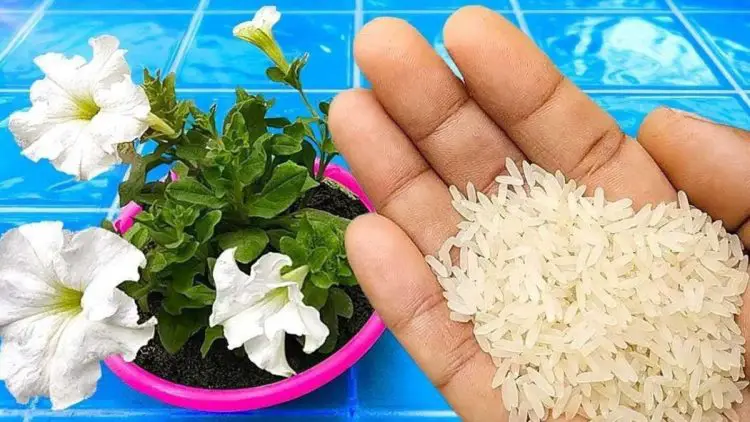
Let’s start with white rice—an often overlooked but excellent natural fertilizer for your plants. Rice is rich in starch, carbohydrates, and vitamin B, making it a great source of nutrients. But that’s not all—it also contains important minerals like nitrogen, phosphorus, magnesium, and potassium, which are essential for stimulating the growth and flowering of your plants.
How to Prepare This Natural Fertilizer:
To make a rice-based fertilizer, start with untreated rice grains (without additives or preservatives). Follow these steps:
- Put 100g of rice in a container and add 1 liter of water.
- Mix thoroughly and let it soak for about 24 hours. This allows the rice to release its nutrients into the water.
- After 24 hours, the rice should have a tender consistency. Mix it again and strain through a strainer.
- You can use the rice water as a fertilizer and also apply the rice grains directly to the soil to create a nutrient-rich substrate.
Before using the rice water, it is recommended to dilute it with water—mix 1 cup of rice water with 10 liters of water. You can then apply it to the soil around the plants or even directly to the leaves, depending on each plant’s needs.
Good to Know:
Use this rice-based natural fertilizer every two weeks for vigorous plants and abundant flowering.
Coffee Grounds to Beautify Your Vegetable Garden
Did you know that coffee grounds can also be a powerful fertilizer? Rich in nitrogen, sulfur, and phosphorus, they are an excellent way to feed your plants. When coffee is roasted, most of the plant proteins are broken down, but the nutrients remain intact in the decomposition products.
How to Use Coffee Grounds as Fertilizer:
Instead of scattering coffee grounds directly on your garden, it’s best to dry them first. Place the used grounds in a bucket and store them in a dry, ventilated place. For faster drying, hang them in a fine-mesh sieve to prevent mold. Once dried, sprinkle a few handfuls around the roots of each plant.
When Is the Best Time to Fertilize the Garden?
The best time to fertilize is during the growth phase, particularly in early spring when plants are emerging from their dormant period. Keep in mind that each plant has its own fertilizer needs:
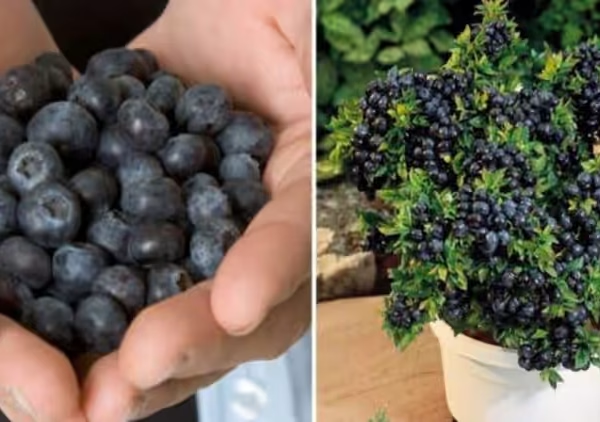
- Acid-loving plants like azaleas, blueberries, and hydrangeas prefer more acidic soil for nutrient absorption.
- Flowering or fruiting plants need more phosphorus to promote bud, fruit, and flower growth.
Where Is Natural Nitrogen Found?
Natural sources of organic nitrogen include manure, ground animal parts, and seed flours (such as soybean or cottonseed meal). The nitrogen concentration in manure varies depending on the animal species and how it’s stored. Specially treated animal carcasses and seed flours often have a very high nitrogen concentration, making them excellent for fertilizing your plants.
By using these natural fertilizers, you can ensure your plants grow healthier and faster, all while being eco-friendly and sustainable!