“Thriving Greenery: A Guide to Propagating the ZZ Plant (Zamioculcas zamiifolia)”
The ZZ plant, scientifically known as Zamioculcas zamiifolia, is celebrated for its lush, glossy foliage and resilience in various indoor environments. If you’ve fallen in love with your ZZ plant and want to expand your green oasis, propagation is a simple and rewarding method. In this article, we’ll explore the steps to successfully propagate the ZZ plant, allowing you to nurture new additions to your plant collection.
Propagation Methods for ZZ Plant:
- Leaflet Cuttings:
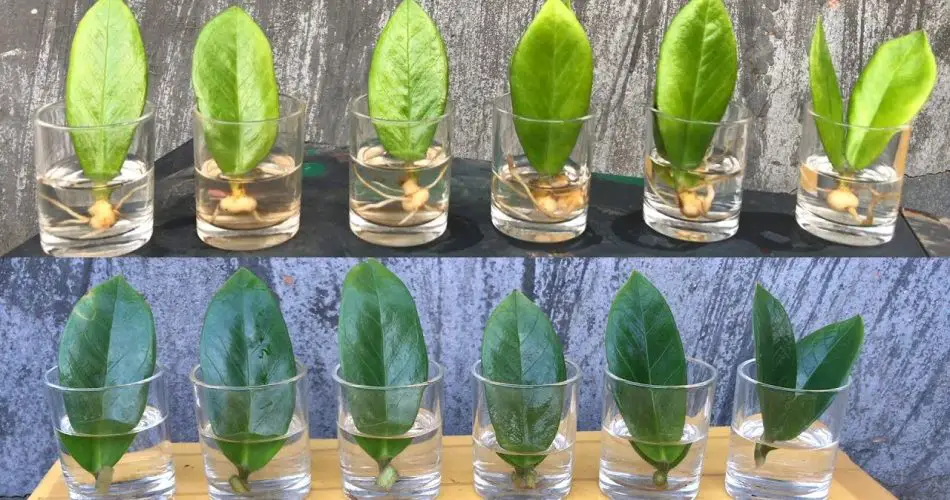
- One of the most common methods for ZZ plant propagation is through leaflet cuttings. Follow these steps:
- Select a healthy ZZ plant with mature stems.
- Using sharp, clean scissors or pruning shears, cut a healthy stem into sections, each containing a few leaflets.
- Allow the cuttings to air dry for a few hours to promote callusing, which helps prevent rotting.
- Plant the cuttings in a well-draining potting mix, ensuring they are inserted deep enough to stand upright.
- Keep the soil consistently moist but not waterlogged.
- One of the most common methods for ZZ plant propagation is through leaflet cuttings. Follow these steps:
- Rhizome Division:
- ZZ plants have thick rhizomes below the soil surface, making rhizome division another effective propagation method.
- Gently remove the ZZ plant from its pot and identify the rhizomes.
- Using a sharp knife, divide the rhizomes into sections, ensuring each section has both roots and stems.
- Plant the divided sections in individual pots filled with well-draining soil.
- Water the newly potted sections and place them in a location with bright, indirect light.
- ZZ plants have thick rhizomes below the soil surface, making rhizome division another effective propagation method.
Tips for Successful ZZ Plant Propagation:
- Choose Healthy Parent Plants:
- Healthy ZZ plants with vibrant, green foliage are more likely to produce successful cuttings or divisions.
- Timing Matters:
- Propagation is often more successful during the growing season, which typically spans spring and early summer.
- Use Well-Draining Soil:
- ZZ plants prefer well-draining soil to prevent waterlogged conditions that can lead to root rot. Choose a high-quality potting mix suitable for houseplants.
- Provide Indirect Light:
- During the rooting phase, place the cuttings or divisions in a location with bright, indirect light. Avoid exposing them to harsh, direct sunlight.
- Maintain Moderate Humidity:
- ZZ plants appreciate moderate humidity levels during the propagation process. You can create a slightly humid environment by misting the cuttings or placing a humidity dome over them.
Benefits of ZZ Plant Propagation:
- Expand Your Plant Collection:
- Propagating the ZZ plant allows you to expand your indoor plant collection without the need to purchase new plants.
- Cost-Effective:
- Propagation is a cost-effective way to multiply your ZZ plant without spending money on additional plants.
- Share the Greenery:
- Propagating ZZ plants provides an opportunity to share the joy of greenery with friends and family by gifting them new, thriving plants.
Whether you’re a seasoned plant enthusiast or a beginner looking to enhance your indoor garden, propagating the ZZ plant is a simple and gratifying process. With a bit of care, attention, and the right conditions, you can watch your ZZ plant cuttings or divisions flourish into robust, independent plants. Embrace the art of propagation, and let the resilience and beauty of the ZZ plant continue to grace your living spaces with its vibrant green foliage.