Vinegar is often associated with cooking and cleaning, but did you know that it can also be a powerful ally in your garden or on your balcony? A simple glass of vinegar is enough to nourish, protect, and maintain your plants, keeping them lush and vibrant. Let’s explore the best ways to use vinegar for plant care and when to avoid it!

🌿 1. Vinegar as a Natural Fertilizer
For a quick and effective plant boost, try using apple cider vinegar as a liquid fertilizer:
✔ Mix 2 tablespoons of apple cider vinegar with 3 liters of water
✔ Use this mixture to water your plants
This organic fertilizer is rich in carbon and provides an immediate energy boost, especially for flowering plants.
⚠ Note: Before applying, check if your plant is acid-loving and not too sensitive to vinegar. If unsure, seek expert advice.
🐜 2. Keep Ants and Insects Away
Struggling with ants and pesky insects around your plants? Vinegar’s strong scent repels them naturally!
✔ Soak tissues in apple cider vinegar and place them around your plants
✔ Create a vinegar barrier by applying a thin strip of vinegar near the affected area
Ants and insects dislike the strong odor, making them change their path and leave your plants alone.
🍄 3. Remove Fungal Infections & Mold
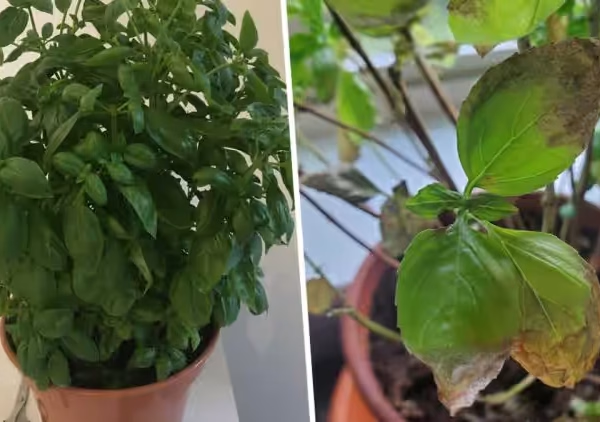
Vinegar is a natural antifungal, helping to fight and prevent mold and fungus growth on leaves.
✔ Mix 1 tablespoon of vinegar with 2 liters of water
✔ Spray the solution directly on affected leaves or apply with a cotton ball
This method is effective in stopping fungal infections before they spread further.
🕷️ 4. Combat Cochineal (Wool Lice)
Cochineal, also known as wool lice, is a common plant pest that feeds on sap, weakening your plants. To eliminate them:
✔ Mix 150 ml of white vinegar with 500 ml of hot water
✔ Pour into a spray bottle and apply every 3-4 days on affected leaves
⚠ Caution: Never use vinegar undiluted on plants, as it can be too harsh and cause damage.
🏺 5. Clean Plant Pots & Restore Their Shine
Outdoor pots often accumulate stains and dirt, making them look aged and dull. With vinegar, you can restore them effortlessly!
✔ Fill a basin with water and add a glass of vinegar
✔ Soak the empty pot for 30 minutes
✔ Rinse and let it dry—your pots will look brand new!
🌱 6. Acidify the Soil for Acid-Loving Plants
Certain plants thrive in acidic soil, and vinegar can help regulate the pH for better growth.
✔ Dilute one glass of white vinegar in 3 liters of water
✔ Use this mixture for regular watering
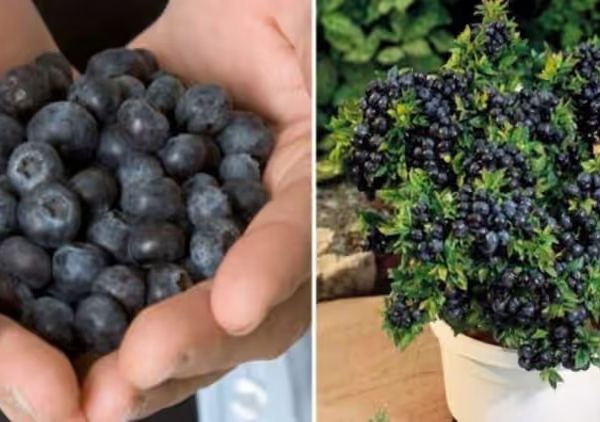
🌸 Best for: Azaleas, Camellias, Hydrangeas, and Blueberries
⚠ Avoid for: Gardenias, Rhododendrons, Petunias, and Sage
🌾 7. Use Vinegar as a Natural Weed Killer
Vinegar’s acetic acid content makes it a powerful weed suppressant. For best results:
✔ Pour undiluted white vinegar directly on weeds
✔ Target areas between tiles, cracks, or garden corners
This method burns weeds and prevents regrowth, keeping your garden tidy without harmful chemicals.
⚠ When Should You Avoid Vinegar?
While vinegar has many benefits, it can be too strong for some plants and should always be diluted unless using it for weed removal.
🚫 Do not use vinegar on:
- Fragile plants that are not acid-loving
- Sensitive species like Gardenias, Rhododendrons, Petunias, and Sage
🍃 A Simple and Natural Solution for Plant Care
With just one glass of vinegar, you can:
✅ Fertilize your plants 🌿
✅ Repel pests and insects 🐜
✅ Prevent fungal infections 🍄
✅ Clean and restore plant pots 🏺
✅ Acidify soil for specific plants 🌸
✅ Eliminate unwanted weeds 🌾
By harnessing the power of vinegar, you can keep your balcony plants healthy and thriving—all with a natural and eco-friendly approach! 🌱✨
💬 Have you tried vinegar for plant care? Let us know your experience in the comments! ⬇️