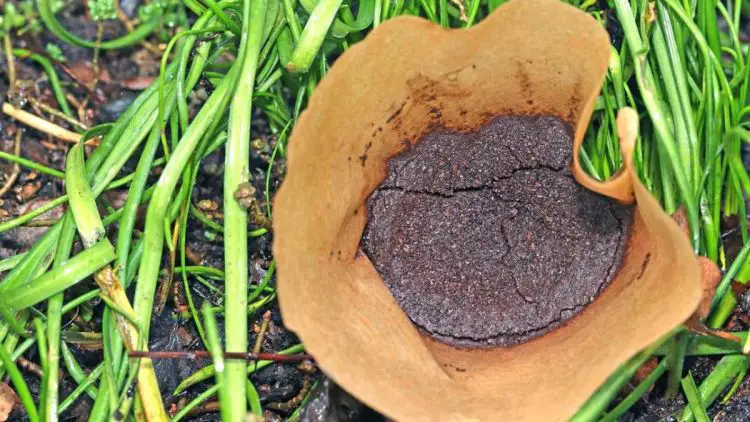
Coffee grounds are often touted as a garden cure-all, but there are several reasons why using them in your garden might not be as beneficial as you think. While the internet is full of advice on using coffee grounds to repel slugs, fertilize soil, or even encourage plant growth, here are five reasons why they might not be as effective as claimed.
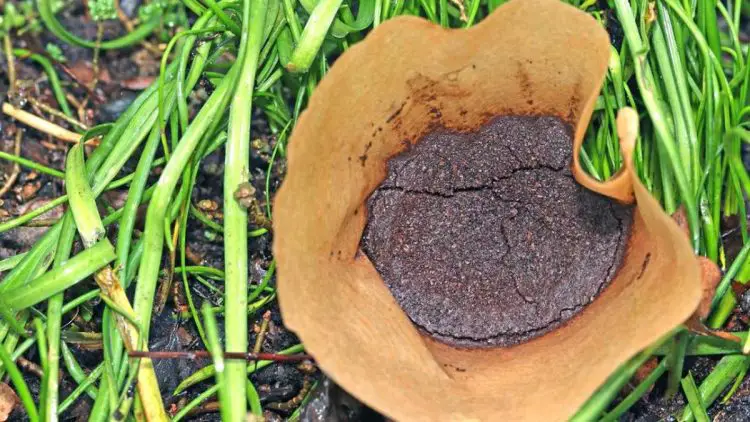
1. Do Coffee Grounds Fertilize the Soil?
Coffee grounds are often considered fertilizers because of their acidity (pH 4.5-5.0), but are they really effective? After brewing, the acidity of coffee grounds drops to a near neutral pH of 6.5-6.8, which is not significantly acidic. This means they aren’t as effective at fertilizing the soil as many believe. In fact, using them directly on soil can even stunt plant growth or harm seedlings. Urine is a more effective natural fertilizer for your garden.
2. Are Coffee Grounds Good for Compost?
Coffee grounds are commonly added to compost piles for their organic matter. However, studies have shown that adding coffee grounds can increase earthworm mortality and kill beneficial soil microbes. Coffee grounds also have antibacterial properties, which can hinder the composting process. If you still want to use them, compost coffee grounds sparingly and mix them with plenty of “brown” materials, like leaves.
3. Are Coffee Grounds Suitable as Mulch?
Although coffee grounds are organic and break down slowly, they compact too quickly when used as mulch. This reduces water and air flow to the soil, negatively affecting plant roots and microorganisms. Additionally, uncomposted coffee grounds can inhibit plant growth, especially for plants like tomatoes. If you want to use coffee grounds as mulch, it’s best to compost them first or mix them with other mulch materials.
4. Do Coffee Grounds Repel Ants?
Many people claim that coffee grounds can help repel ants naturally. However, tests show that ants are not deterred by coffee grounds. They often ignore or move around the coffee grounds, and the idea that coffee grounds will eliminate ants is a myth. Other substances like baking soda or yeast can also harm ants, but such methods can be inhumane, causing unnecessary suffering to the insects.
5. Do Coffee Grounds Kill Slugs?
Coffee grounds are often believed to kill slugs, but this isn’t the case when they’re simply sprinkled on the soil. Studies in Hawaii found that caffeine can kill slugs when sprayed directly on plants, but the low concentration in coffee grounds doesn’t have the same effect. Caffeine, when applied in high concentrations, acts as a poison, but it doesn’t work through coffee grounds alone.
In conclusion, while coffee grounds are often recommended as a garden solution, they aren’t always as effective as advertised. It’s better to consider alternative methods like composting properly, using natural fertilizers like urine, or employing more effective pest control methods to keep your garden healthy and thriving.


