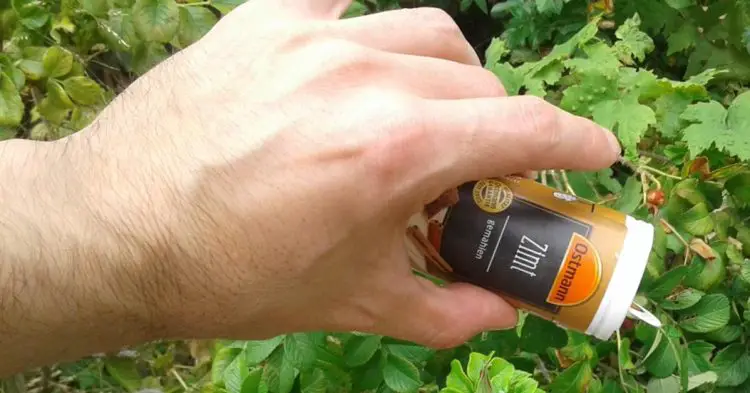
Cinnamon is not just for enhancing your favorite desserts; it’s also a powerful ally in your garden! By using this versatile spice, you can nurture your plants while avoiding harmful chemicals. Here’s how cinnamon can benefit your garden.
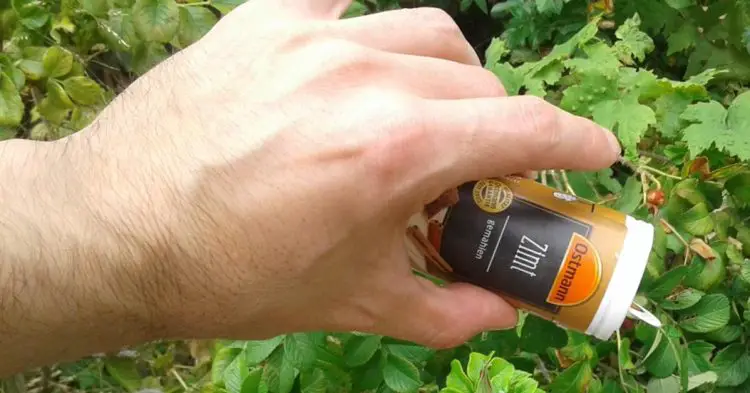
1. First Aid for Mold and Fungus
The warm, moist soil of potted plants is susceptible to mold and fungi, including powdery mildew that leaves white spots on leaves. Cinnamon acts as an effective remedy, gradually eliminating mold and preventing future outbreaks. If the soil is affected, simply sprinkle ground cinnamon around the plant. For leaf infestations, create a cinnamon solution by dissolving a level teaspoon of cinnamon in 5 liters of hot water. Let it sit for an hour before applying to the affected areas.
2. Seedling Protection
Newly planted seedlings need extra care. After planting, sprinkle cinnamon powder around these delicate shoots to protect them from fungi and pests. You can also rub seeds with a bit of cinnamon or mix it into your fertilizer for added protection.
3. Doping Cuttings
To help cuttings develop strong roots, sprinkle cinnamon on the cutting surface before planting. This helps ensure healthy growth and protects against diseases due to its disinfectant properties.
4. Plant Care with Cinnamon
Cinnamon’s disinfectant effect aids in plant healing. If you accidentally damage your plants while trimming, apply cinnamon to the “wounds” to promote recovery.
5. Chasing Away Ants
Ants can be a nuisance, especially since they protect aphids from their natural predators. Fortunately, ants dislike the spicy scent of cinnamon, and it can even be toxic to them. Simply sprinkle cinnamon powder around areas you want to keep ant-free.
6. Repelling Parasites and Mosquitoes
You can also create a natural mosquito repellent using cinnamon oil. Here’s how:
- Materials Needed:
- A glass container
- Cinnamon sticks
- Mild oil (such as premium olive or sunflower oil)
Place the cinnamon sticks in a row in the container, filling any gaps with smaller pieces of cinnamon. Cover the sticks with oil and let the mixture sit in a warm place for three weeks. Afterward, filter the oil through an old cloth and store it in a bowl. To use, drop the oil onto a handkerchief and place it near open windows to keep mosquitoes at bay. You can also apply it to your skin for protection outdoors.
Cinnamon is effective not just against ants but a variety of harmful insects. Protect your plants by placing cinnamon oil-soaked cloths in your flower beds.
Conclusion
Cinnamon is a magical spice that can help you maintain a healthy garden without resorting to toxic chemicals. Have you tried using cinnamon in your gardening routine? Share your experiences and enjoy a thriving, pest-free garden!


