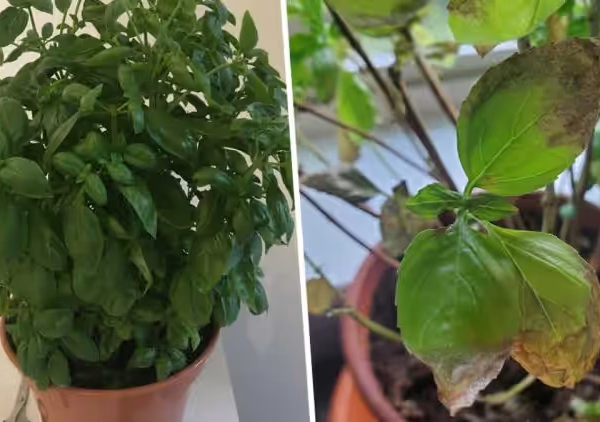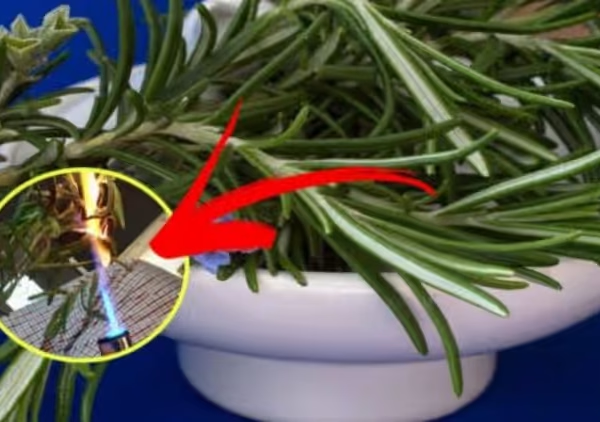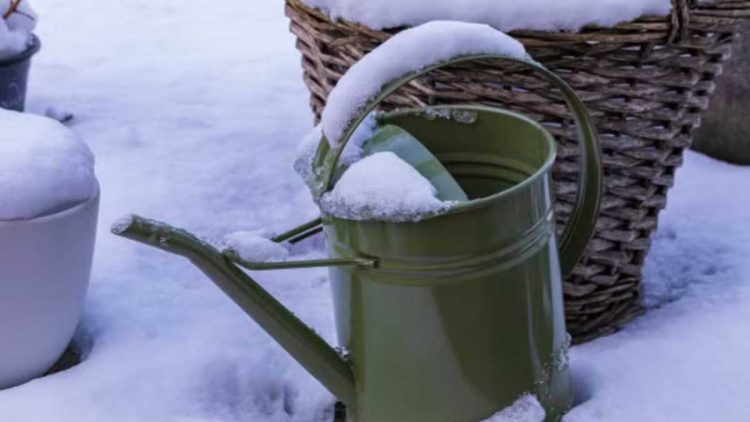
Even when your garden is blanketed in snow, it’s crucial to remember the needs of your plants. Yes, they still require watering during winter months. Here’s what you need to know!
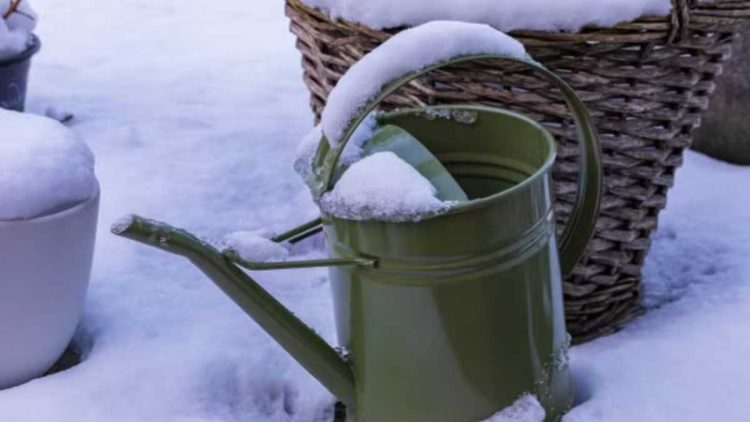
Why Watering Plants in Winter is Important
With snow on the ground and temperatures dropping, it might seem unnecessary to tend to your plants. However, this is a misconception: plants can struggle to obtain water in winter. Regular watering is essential, even in low temperatures. It’s advisable to check the soil moisture at least once a month to ensure it isn’t too dry.
This tip applies not just to your garden beds, but also to potted plants on your terrace or balcony. Proper watering during winter helps prevent drying out and prepares your plants for a vibrant revival in spring. Remember, frost can hinder the soil’s ability to absorb water, and snow doesn’t directly reach the roots of your plants.
Preparing Your Garden for Winter
Before the snow arrives, it’s vital to prepare your flowers, shrubs, and other plants for the harsh winter conditions. Here are some essential steps to make your garden winter-proof:
- Prune Trees and Shrubs: It’s important to prune trees, shrubs, and perennials in the fall to encourage healthy growth in spring. Ensure this is completed before the frost sets in.
- Support Wildlife: Hedgehogs, squirrels, and birds play a significant role in your garden ecosystem. Create suitable winter habitats using leaves or branches to help these animals hibernate peacefully. For more tips, check out our guide on Gardening in Winter.
- Protect Plants from Frost: Decide whether to overwinter plants indoors or outdoors. Different varieties have varying needs; outdoor plants can be insulated with bark mulch or fallen leaves, while indoor plants require cool, dark conditions.
- Store Garden Tools Indoors: Protect your tools from rust and mold by storing them in a dry, frost-free place, such as a garage or garden shed.
Conclusion
Even in snowy conditions, your plants need care and attention. Regularly check their moisture levels and prepare your garden for winter to ensure a flourishing return in spring. Taking these steps will help maintain a healthy and vibrant garden year-round!